Our high-precision biomedical devices and smart sub-meters deliver laboratory-grade data tracking, dynamic API integration, and clinical reliability.
The landscape of personal and clinical medicine is shifting rapidly. The integration of IoT-based remote diagnostics, intelligent bio-sensing, and real-time medical-grade edge processing is no longer a luxury; it is the cornerstone of modern preventative care. As a premier OEM/ODM Wellness Monitoring Devices Manufacturer, we stand at the nexus of technology and clinical health.
Shenzhen VetCura Medical Co., Ltd. is a professional home medical monitoring devices manufacturer specializing in advanced solutions for blood pressure and oxygen monitoring. Based in Shenzhen, China, the company focuses on the research, development, and production of reliable, user-friendly healthcare devices designed for both home use and clinical support.
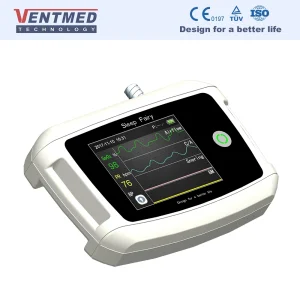
VetCura offers a comprehensive range of products, including digital blood pressure monitors, pulse oximeters, and integrated vital signs monitoring systems. With a strong commitment to accuracy and safety, all products are developed in accordance with international quality standards, ensuring consistent performance and dependable results for global users.
By combining smart communication protocols (Bluetooth Low Energy, Wi-Fi, NB-IoT) with custom data pipelines, we bridge the gap between patient home monitoring and institutional hospital systems. This proactive health model drives early detection, decreases hospital readmission rates, and improves long-term health outcomes worldwide.
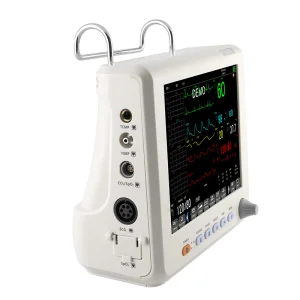
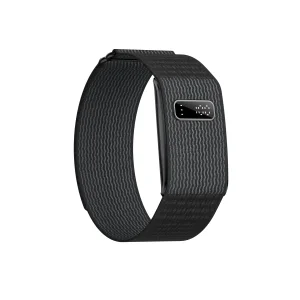
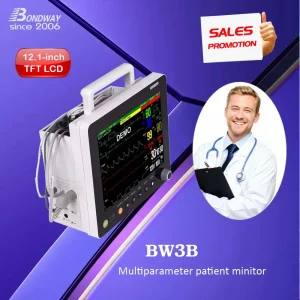
Whether deploying high-precision multi-parameter patient monitors for critical care or lightweight activity trackers with integrated SDKs for customized corporate wellness schemes, VetCura delivers the engineering depth required to satisfy strict global standards.
Shenzhen represents the epicentre of global hardware manufacturing. We leverage instant access to top-tier semiconductor fabs, sensor manufacturers, and clinical evaluation laboratories, compressing standard prototyping phases by 45% compared to western competitors.
From custom BIOS and firmware implementation to physical ergonomic alterations, our engineers collaborate directly with your product managers. We deliver complete API/SDK integration packages to stream data directly to your healthcare platform.
Operating out of state-of-the-art facility complexes, our processes undergo rigid monitoring audits. We ensure cleanroom assembly lines adhere to ISO 13485 requirements, guaranteeing quality consistency and seamless CE MDR approval.
Take a virtual walk through our advanced production floors, testing chambers, and research facilities located in Shenzhen, China.
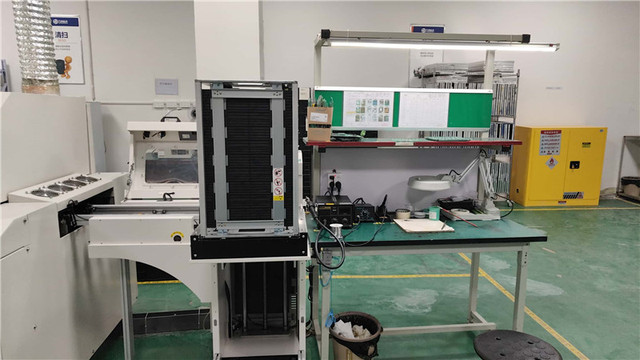 Assembly Cleanroom
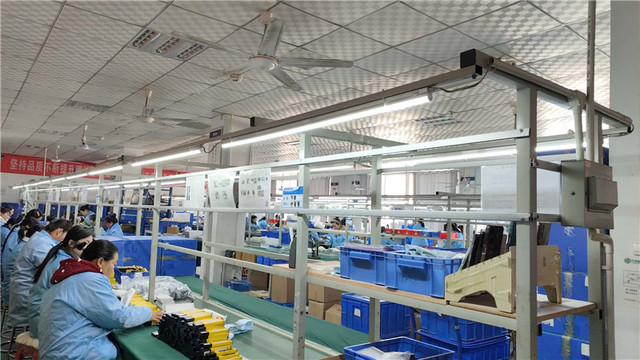 Precision Calibration Station
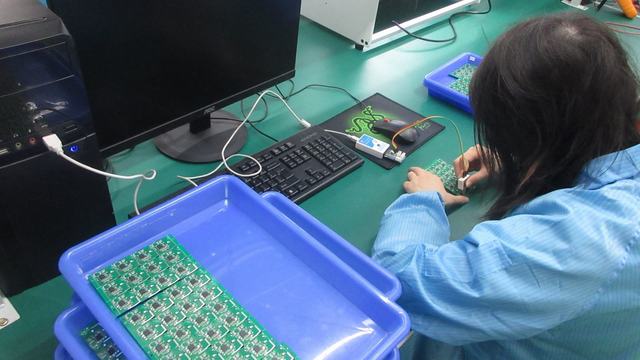 Component Quality Inspection
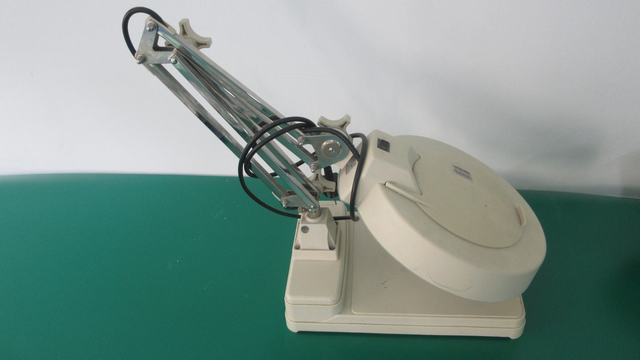 R&D Diagnostics Area
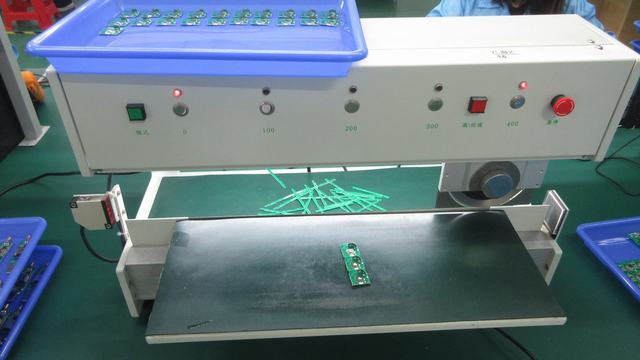 Biomedical Testing Rig
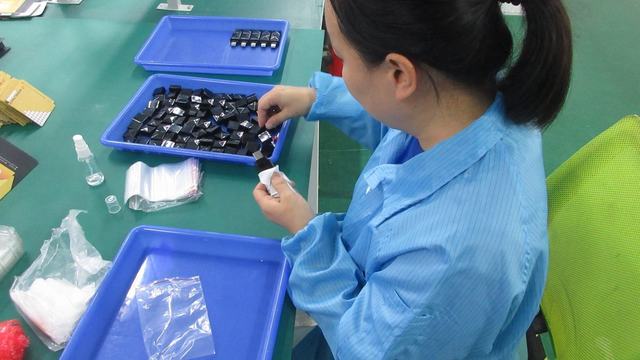 Environmental Stress Chambers
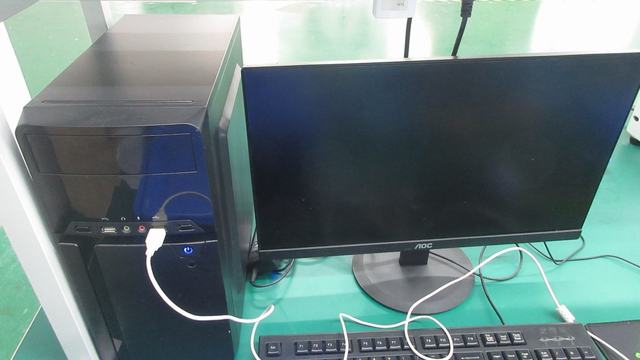 Packout & Final QA Lines
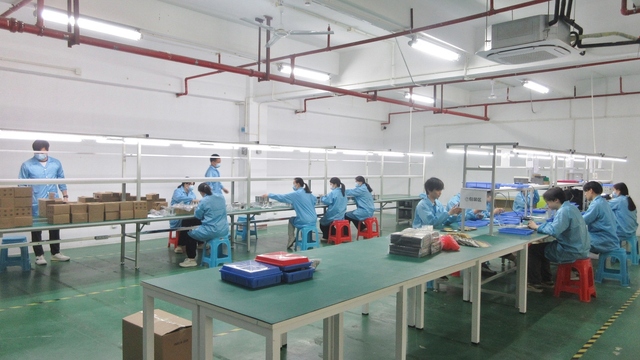 SMT Placement Line
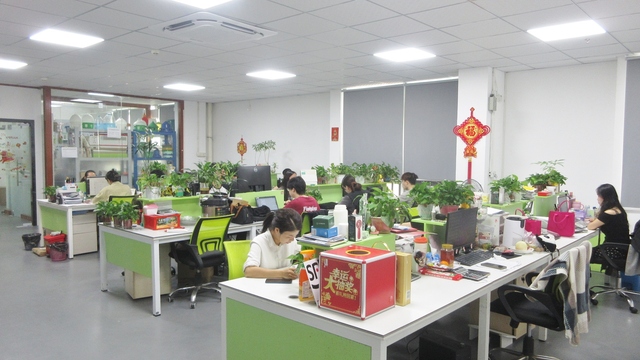 Software Flash Station
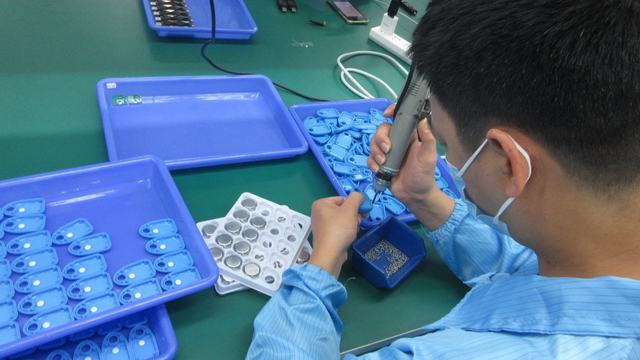 Finished Goods Logistics Hub
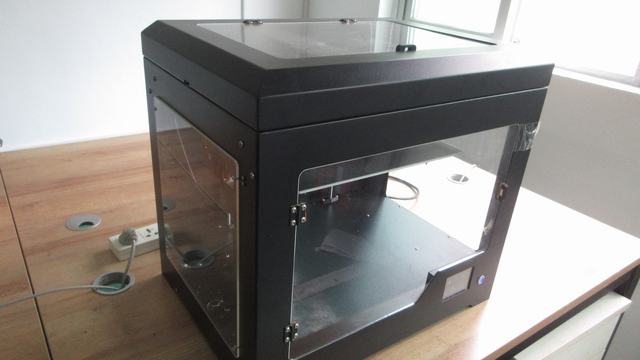 Optical Inspection (AOI)
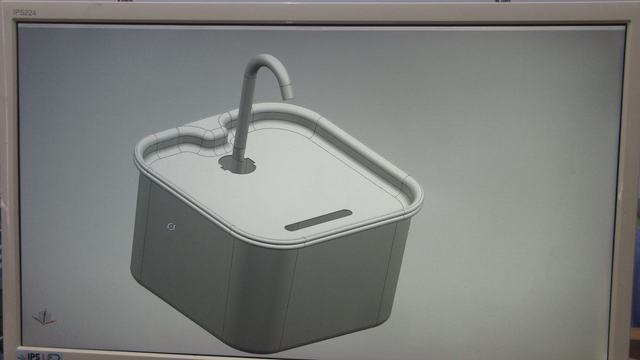 Signal Calibration Area
To remain competitive, forward-thinking medical device distributors and telemedicine organizations must align their product roadmaps with rapid technological developments:
Modern wearable sensors now do more than record telemetry; they analyze signals locally. On-chip machine learning models interpret heart rhythms (ECG) and pulse oximeter waveforms in real-time, detecting anomalies like Atrial Fibrillation (AFib) or sleep apnea at the device level, before transmitting data to the cloud.
The barrier between hospital-based ICU monitors and consumer-grade smartwatches has dissolved. Regulators look for high diagnostic precision in portable form factors, demanding that consumer-style wellness watches provide medical-grade blood pressure detection, respiratory metrics, and clinically sound body temperatures.
Closed proprietary ecosystems are giving way to open telehealth infrastructures. Global healthcare buyers seek devices compatible with open APIs, FHIR (Fast Healthcare Interoperability Resources) data models, and Bluetooth SIG protocols, allowing cross-platform coordination with patient health record (EHR) databases.
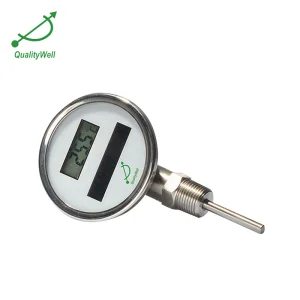
Eco-conscious sourcing requirements have entered hardware selection. There is strong demand for ultra-low power consumption chipsets, solar-assisted temperature sensors, and components with long lifespans to lower electronic waste and operational costs in large clinical installations.
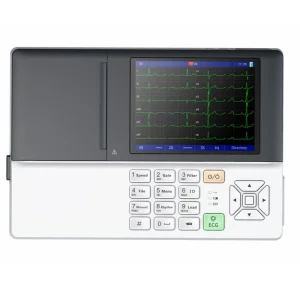
We provide continuous-monitoring infrastructure for clinics extending patient care post-discharge. Real-time patient monitoring systems and portable ECGs automatically push vital metrics to clinical dashboards, preventing patient relapse and emergency readmissions.
Biomedical pharmaceutical studies require precise, consistent, and patient-compliant monitoring solutions. Our custom SDK-enabled devices ensure high data fidelity, reliable data timestamps, and seamless patient integration to lower trial dropout rates.
Non-invasive sensors, like sleep recorders, fall-detection metrics, and IoT sub-meters tracking home usage patterns, enable eldercare facilities to verify patient safety without interrupting their independent lifestyles.
Procuring wellness electronics globally demands strict compliance, IP protection, and supply chain resilience. As your production partner, VetCura mitigates these operational risks through structured manufacturing protocols:
Our OEM and ODM services cover hardware development, PCB design, industrial casing design, firmware customization, custom Bluetooth/Wi-Fi communication protocols, and custom packaging. We also support integration with your existing mobile applications and cloud-hosted backends via custom SDKs.
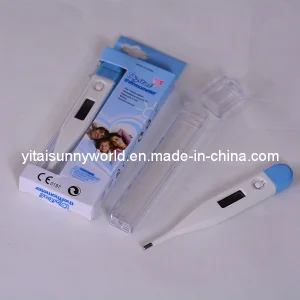
All clinical-grade products, including blood pressure monitors, ECG machines, and thermometers, undergo automated calibration routines against calibrated lab instruments. We check accuracy limits across multiple points to ensure full compliance with ANSI/AAMI/ISO standards.
Yes. Our devices support industry-standard encryption protocols (like AES-128/256) for wireless data transmissions. Our firmware configurations do not store personally identifiable information (PII) on the device, enabling your system to meet HIPAA and GDPR requirements easily.
Standard OEM modifications (such as custom logo printing and bios configuration) have an MOQ starting at 1,000 units. Deep ODM customization projects depend on complexity. Development cycles range from 3 to 6 months, while batch production takes 30 to 45 days after design sign-off.
Yes. We provide complete documentation support, including clinical evaluation reports, ISO 13485 files, electrical safety test data, and software lifecycle records, to help you secure registration in your target market.
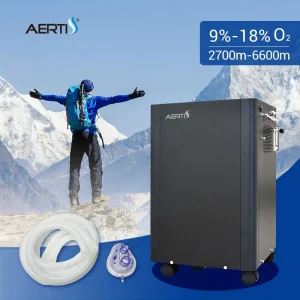
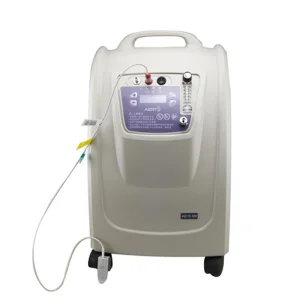
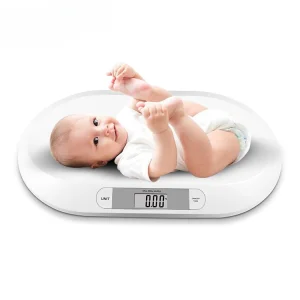
Browse our comprehensive selection of digital thermometers, baby scales, oxygen concentrators, and customizable sports watches.
 VetCura Medical