Basic Information
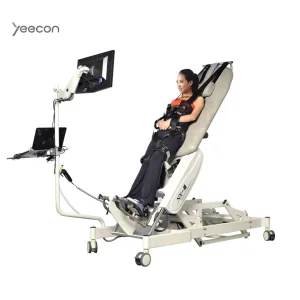
| Model NO. | A1 |
| Theory | Motion Relearning |
| Certification | CE, ISO13485, CB |
| LCD Display | With LCD Display |
| Application | Hospital, Rehab Centers |
| Weight | 280 Kg |
| Tilt Angle | 0-80° |
| Step Speed | 1~80 Steps/Min |
| Voltage | AC220V/50Hz |
| Warranty | 1 Year |
Product Introduction
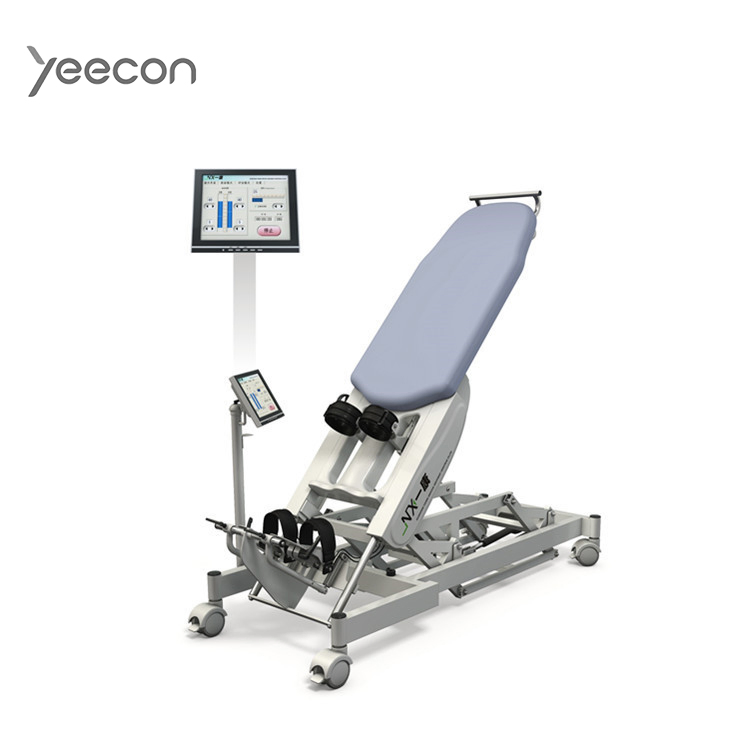
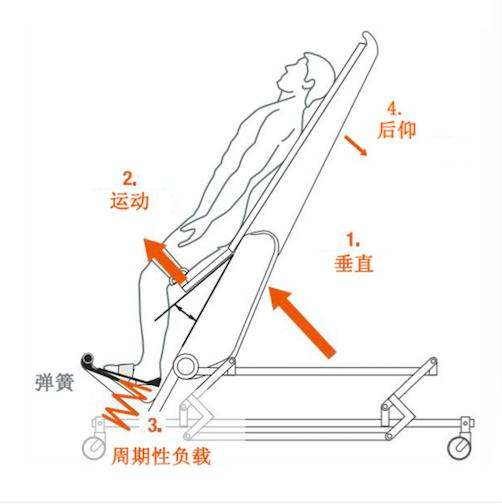
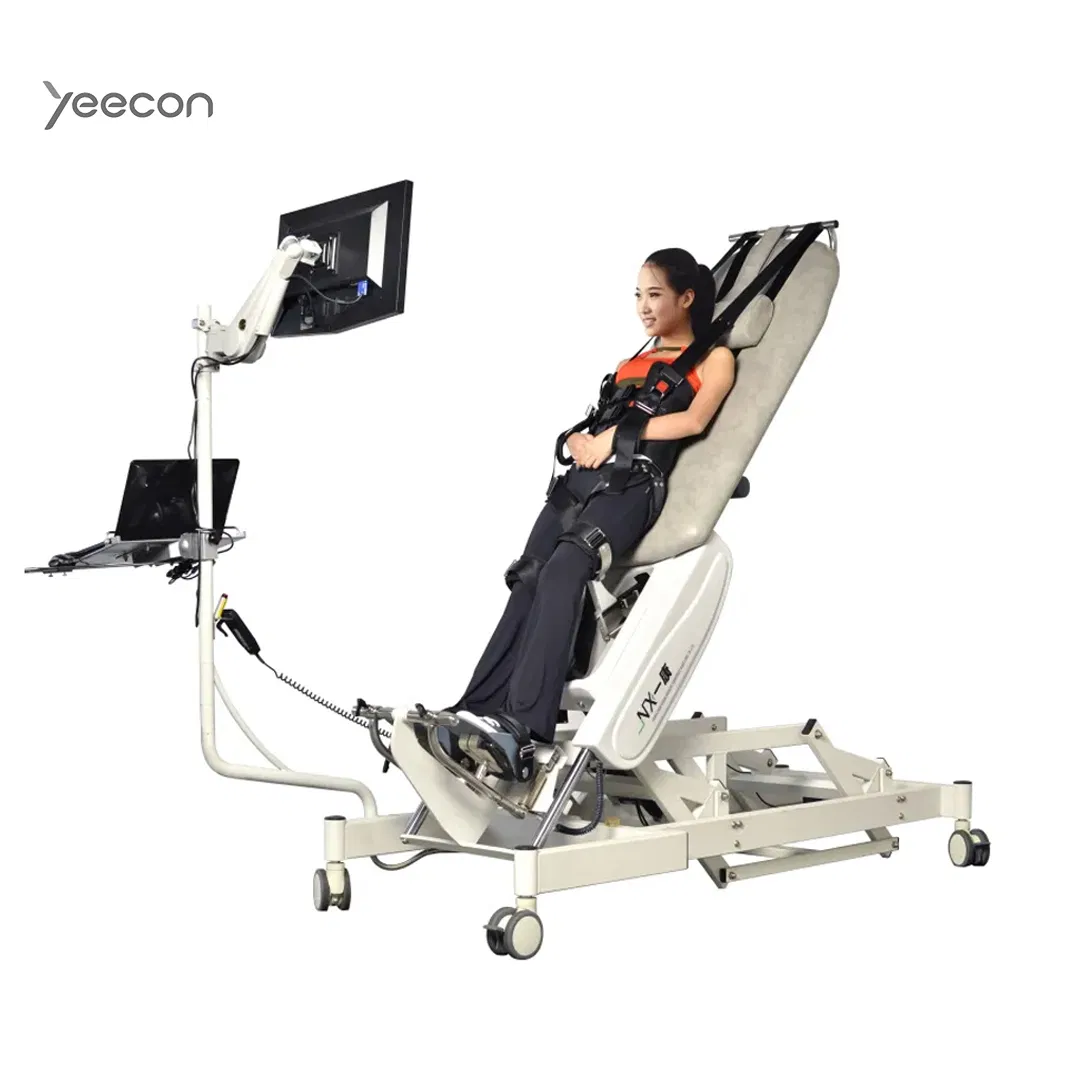
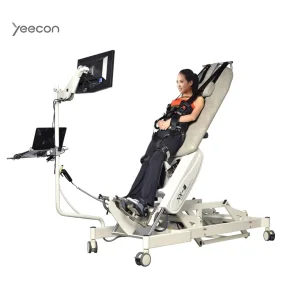
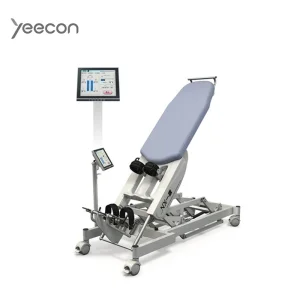
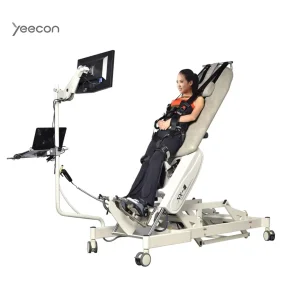
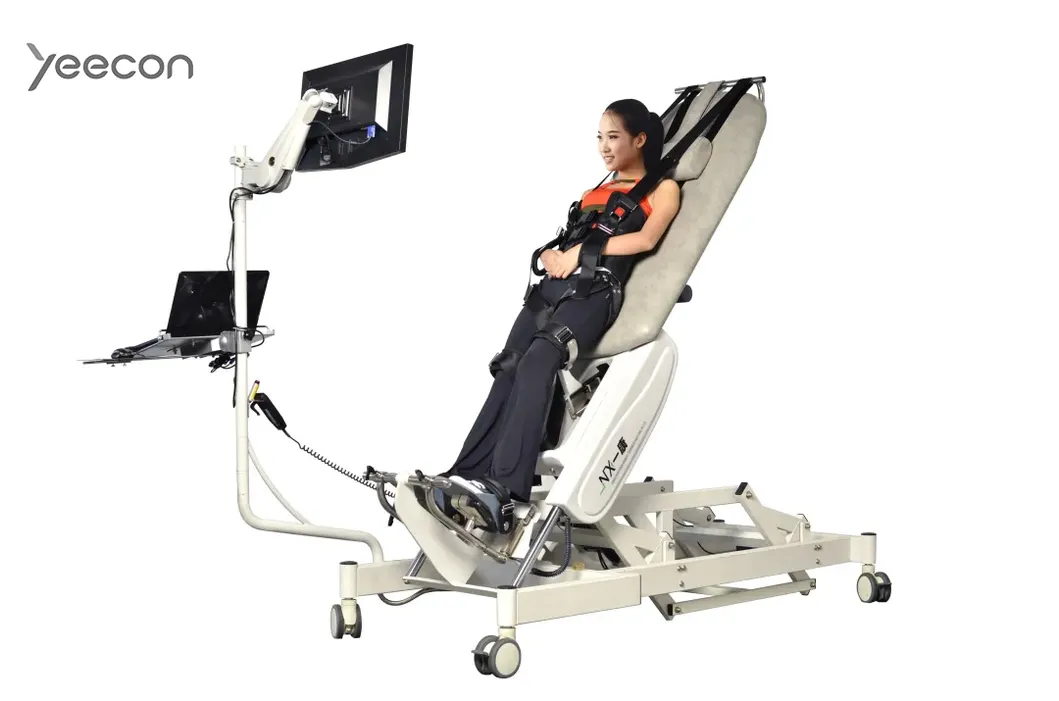
The robotic tilt table uses a new rehabilitation concept to overcome the shortcomings of traditional rehabilitation training. It changes the patient's position under the suspension state with binding. With support from the bind, the tilt table helps patients to perform stepping training. By simulating normal physiological gait, this equipment helps to restore patients' walking ability and suppress abnormal gait.
This rehabilitation equipment is suitable for the recovery of patients suffering from disorders of the nervous system related to a stroke, traumatic brain injury, or incomplete spinal cord injuries. Using this robot is an effective solution, especially for those in the early stages of rehabilitation.
Product Specifications
| Product Name | Robotic Tilt Table for Adult |
| Model | A1 |
| Speed | 1~80 steps/min |
| Dimension | 2400*990*690 mm |
| Feature | Spasm Detection |
| Packaging Dimension | 2400*990*690 mm |
Therapeutic Effects
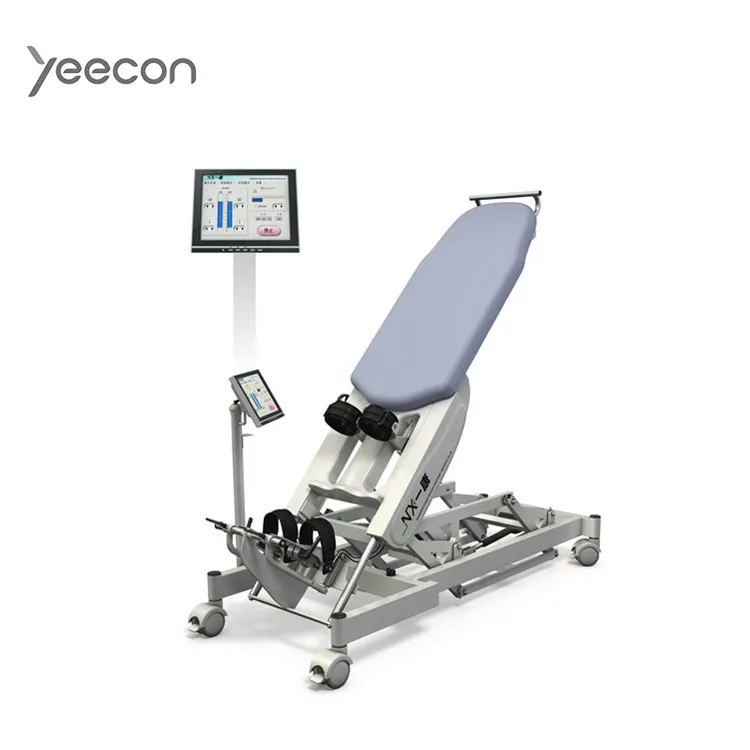
- Gait training at the early stage of rehabilitation can shorten recovery time.
- Strengthens afferent sensory stimulation of the legs to improve nervous system coordination.
- Improves and maintains leg joint mobility, muscle strength, and endurance.
- Relieves muscle spasms of the legs through targeted exercise and training.
- Prevents orthostatic hypotension, pressure ulcers, and other complications.
- Enhances metabolic level and cardiopulmonary function.
- Strengthens the cardiovascular system and incoming sensory stimulation.
Key Features
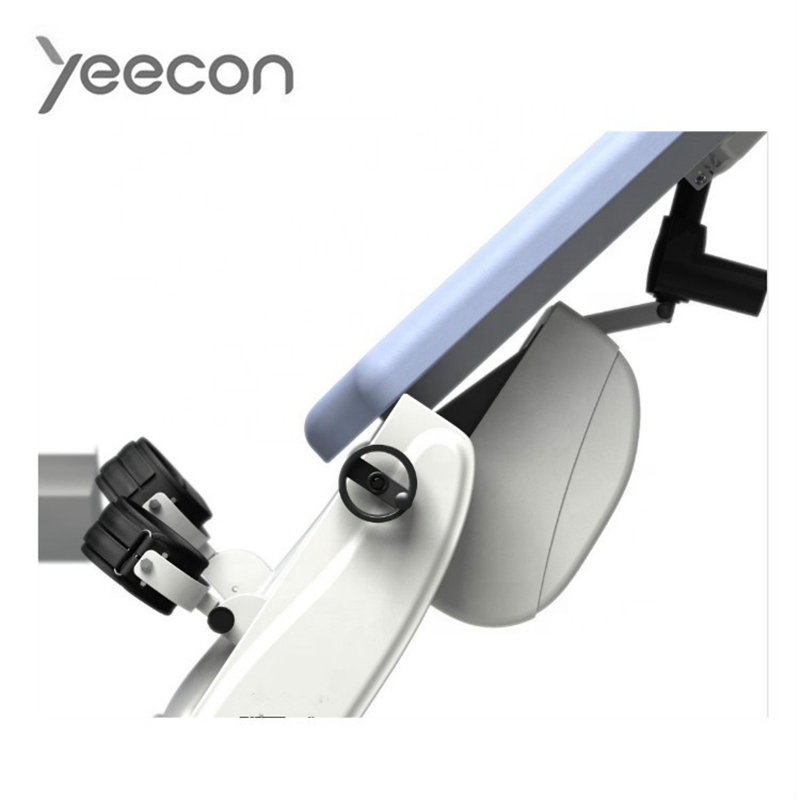
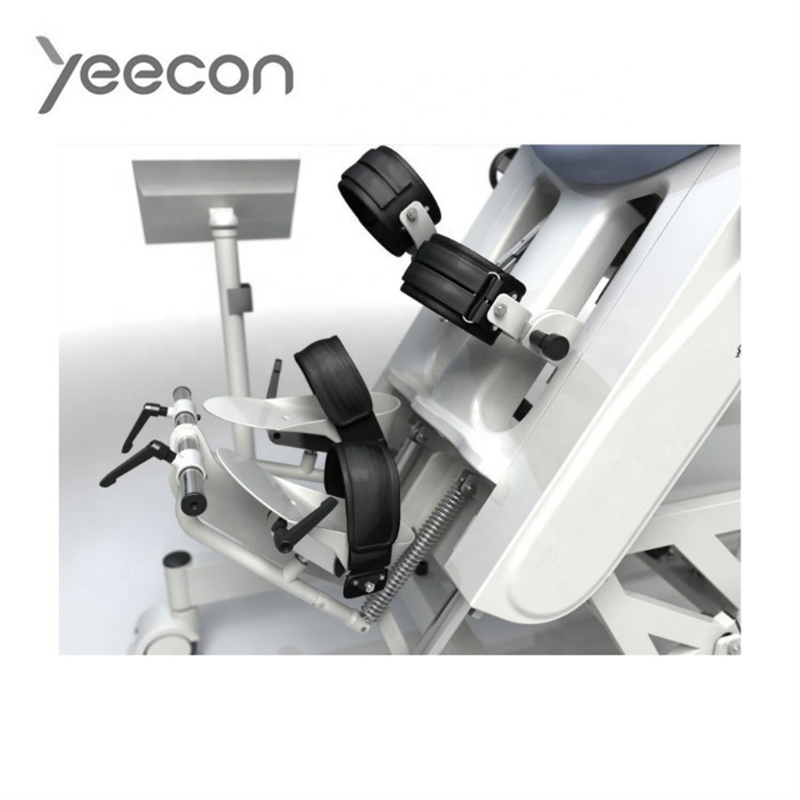
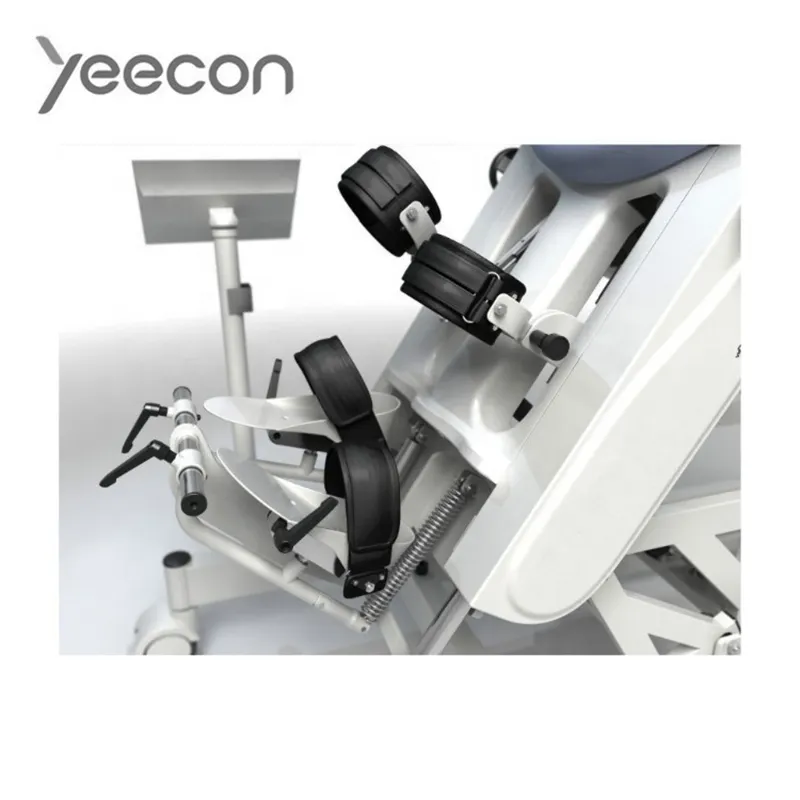
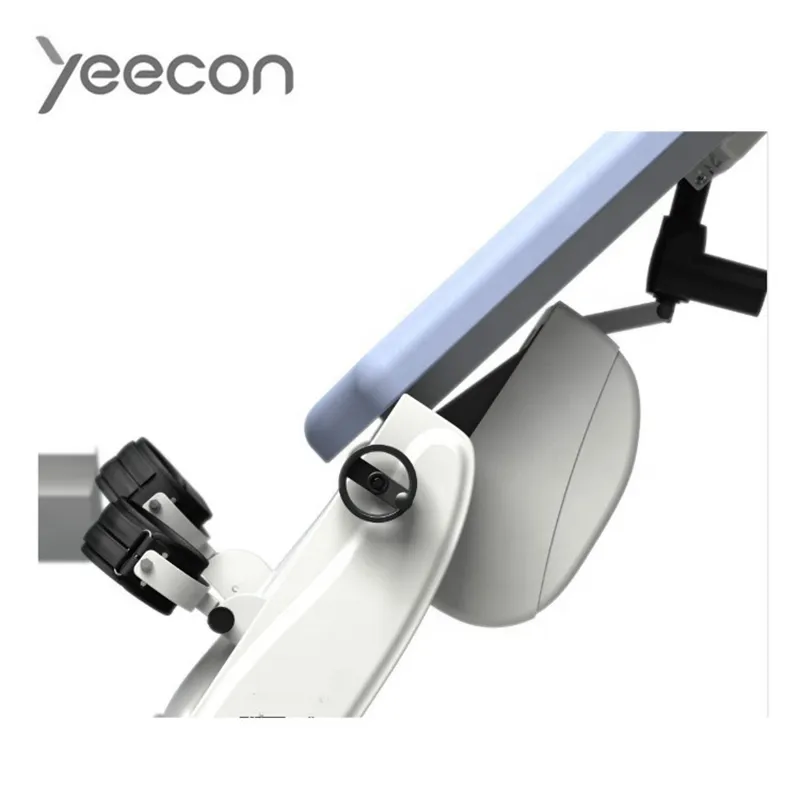
The distance between the feet and the angle of toe flexion/extension are completely adjustable. The two-sided pedal can be used for active or assisted walking training according to patients' needs. The 0-80 degree progressive standing robotic tilt table with a special suspension bind can effectively protect the legs.
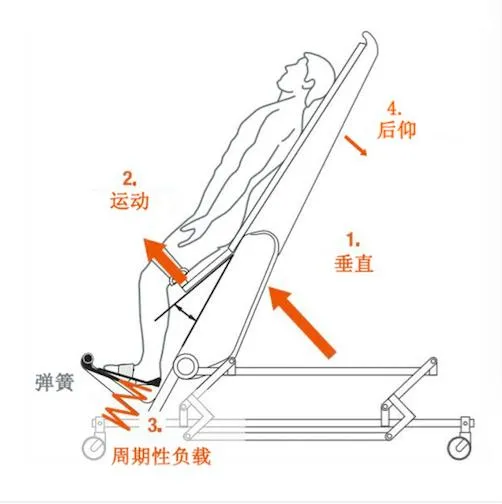
- Gait Control: Adopts a servo motor control system imitating normal physiological gait.
- Spasm Monitoring: Ensures training safety and optimal results.
- Anti-gravity Suspension: Reduces body weight to make stepping easier for patients.
- Versatility: Combines standing, stepping, and suspension in one device.
- Enables patients without standing ability to "walk" in a lying position.
Professional Manufacturing
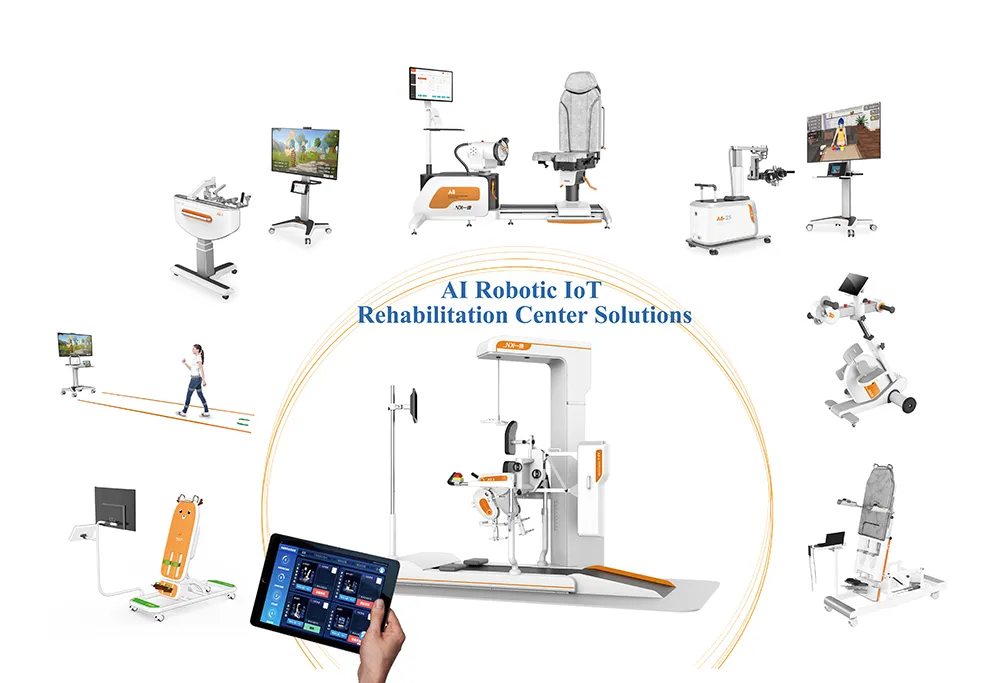
As a manufacturer of rehabilitation equipment since 2000, we develop a comprehensive portfolio including physiotherapy equipment and rehabilitation robotics. We offer holistic rehabilitation center construction solutions for various clinical needs.
Certifications
Frequently Asked Questions (FAQ)
1. What conditions is the Robotic Tilt Table A1 designed for?
It is designed for patients with nervous system disorders, such as stroke, traumatic brain injury, or incomplete spinal cord injuries, particularly in the early stages of rehabilitation.
2. How does the tilt table help patients who cannot stand?
The equipment allows patients to perform stepping movements in a lying or tilted position (0-80 degrees) using an anti-gravity suspension system to reduce body weight.
3. What safety features are included for muscle spasms?
The A1 model is equipped with a spasm monitoring system that detects spasms during training to ensure patient safety and optimize the therapeutic outcome.
4. Can the stepping speed be adjusted?
Yes, the stepping speed is fully adjustable from 1 to 80 steps per minute to accommodate the patient's specific recovery progress.
5. What is the benefit of the servo motor gait control system?
The servo motor control system accurately imitates the physiological gait of a healthy person through three shifting programs: initial speed, acceleration, and deceleration.
6. Is this equipment suitable for home use?
The Robotic Tilt Table is primarily designed for professional use in hospitals and rehabilitation centers due to its size and specialized therapeutic functions.