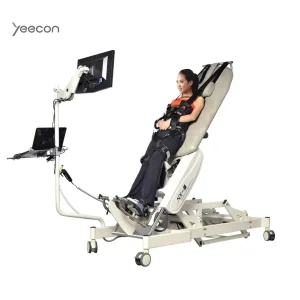
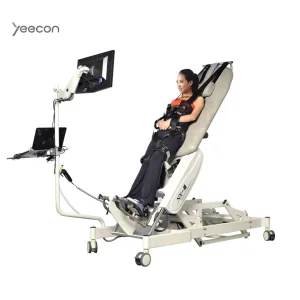
Lower Limb Rehab Robotic Tilt Tables Rehabilitation Equipment

Still deciding? Get samples of $ !
Request Sample

Product Description

📊 Basic Information
Model NO.
A1S
Theory
Motion Relearning
Certification
CE, ISO13485, CB
LCD Display
With LCD Display
Group
Adult
Application
Hospital, Rehab Centers
Weight
280 Kg
Tilt Angle
0-80°
Step Speed
1~80 Steps/Min
Voltage
AC220V/50Hz
🤖 Robotic Tilt Tables for Adult A1
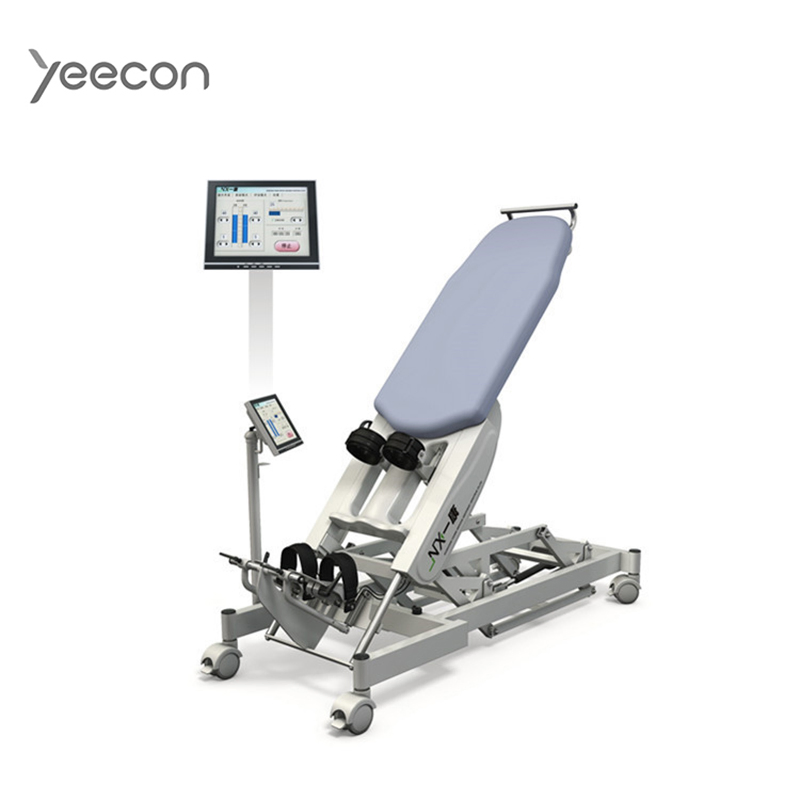
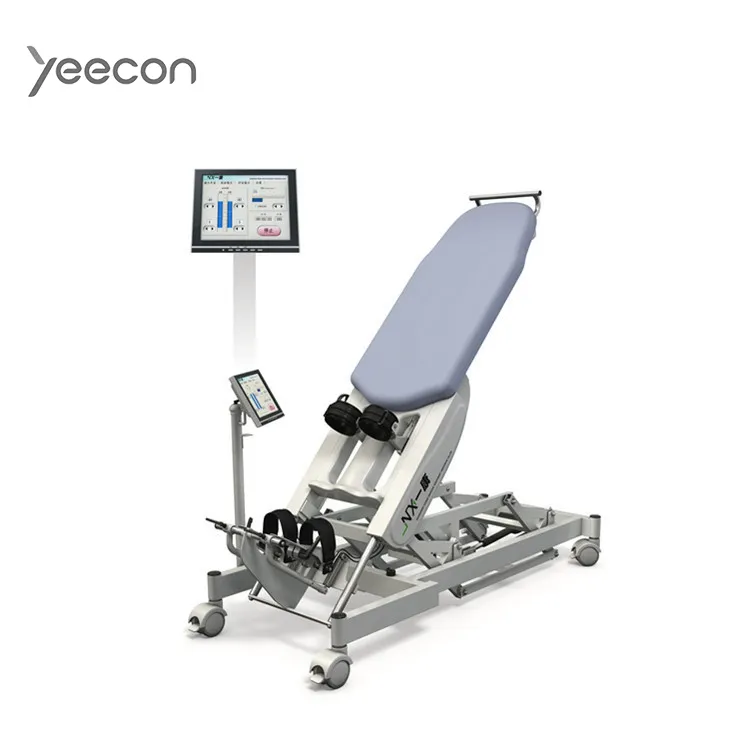
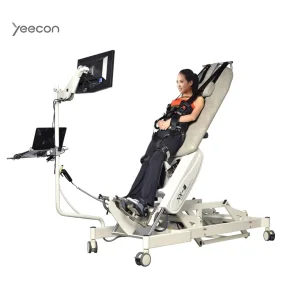
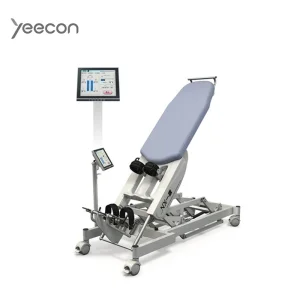
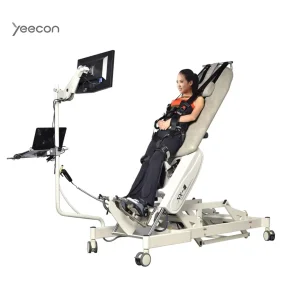
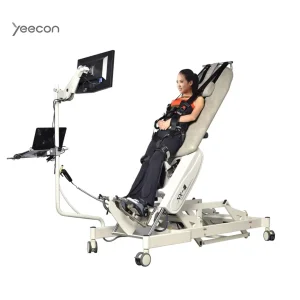
Lower Limb Rehab Robotic Tilt Table

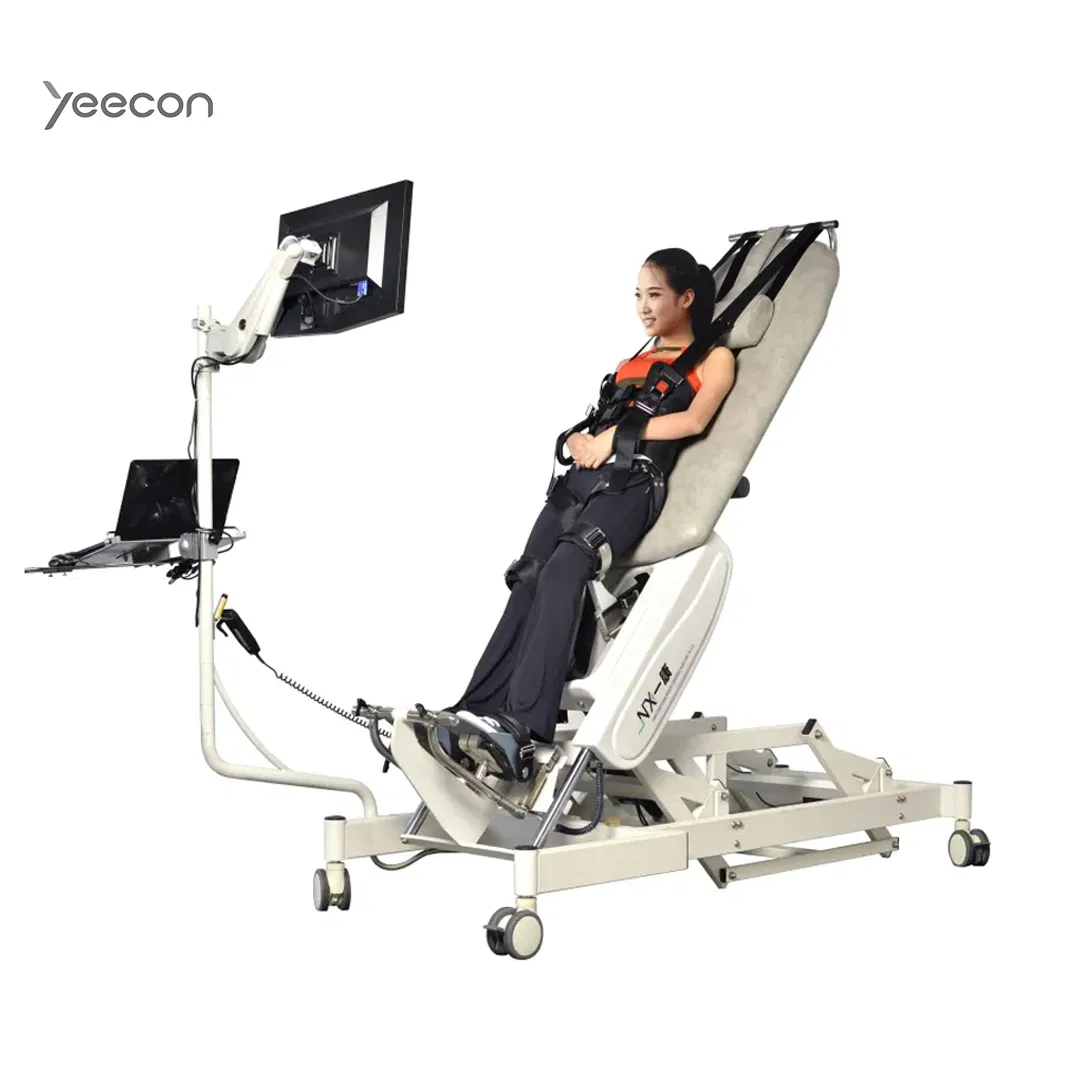
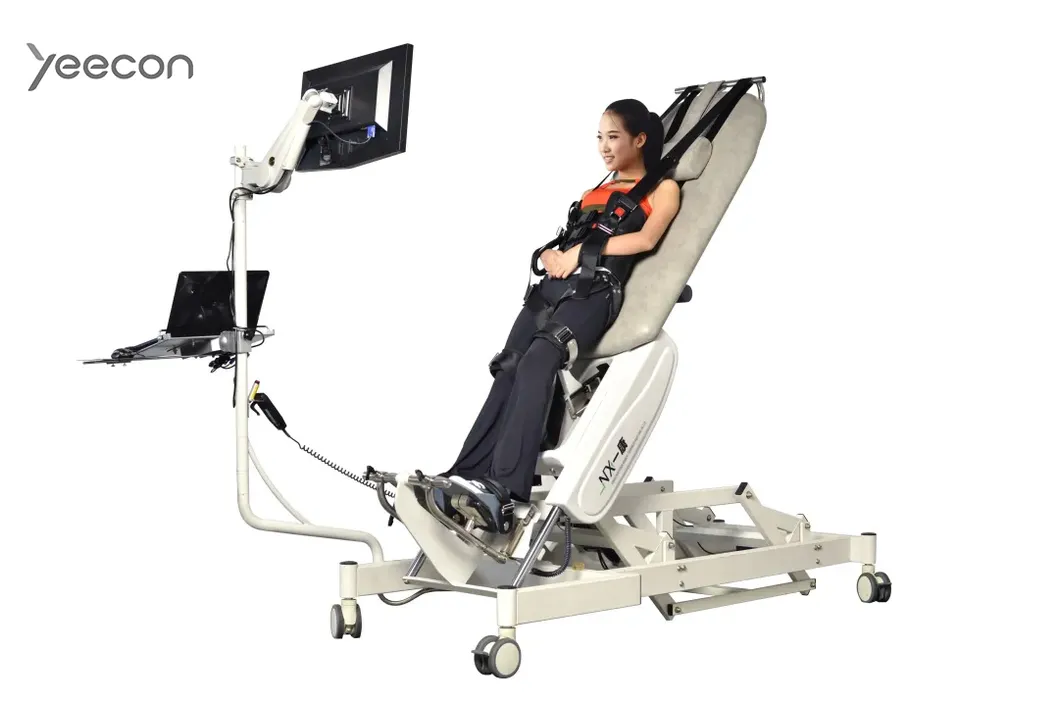
The robotic tilt table uses a new rehabilitation concept to overcome the shortcomings of traditional rehabilitation training. It changes the patient's position under the suspension state with binding. With support from the bind, the tilt table helps patients to do stepping training. By simulating normal physiological gait, this equipment helps to restore patients' walking ability and suppress abnormal gait.

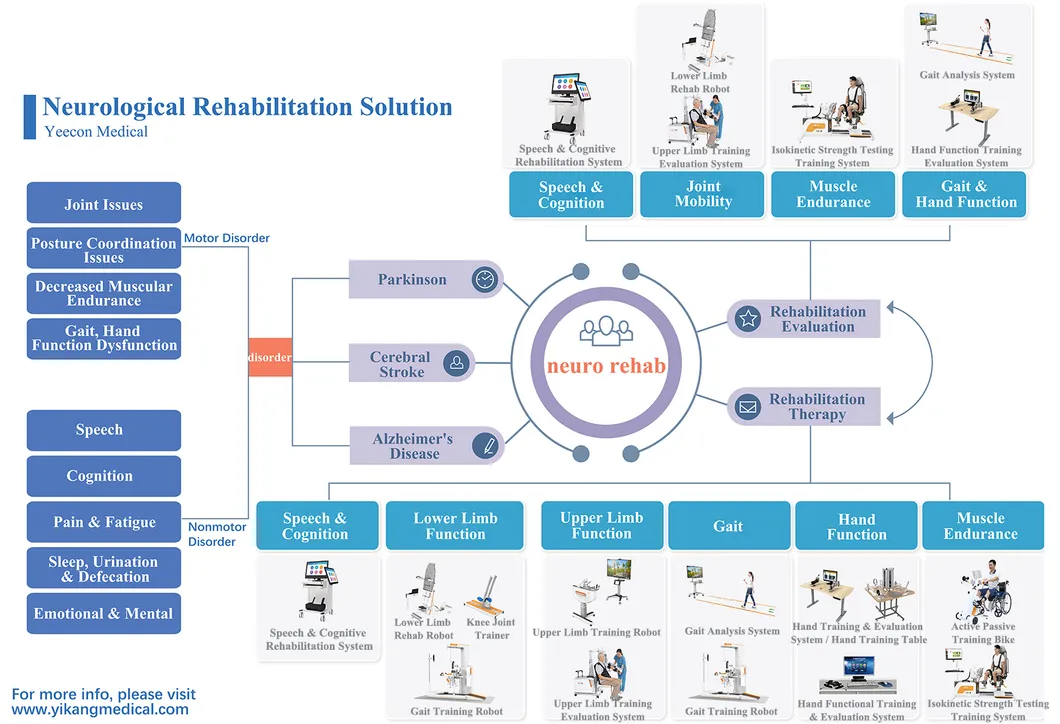
The rehab machine is suitable for the rehabilitation of patients suffering from disorders of the nervous system related to a stroke or traumatic brain injury or incomplete spinal cord injuries. Using the rehab robot is an effective solution, especially for those in the early stages of rehabilitation.

📋 Product Specifications
Product NameRobotic Tilt Table for Adult
ModelA1
ApplicationHospitals, Rehabilitation Centers
VoltageAC 220V 50Hz
Speed1~80 steps/min
Dimension2400*990*690 mm
FeatureSpasm Detection
Weight280 Kg
Warranty1 year
Rehabilitation Equipment
✨ Therapeutic Effects
  • Gait training at the early stage can shorten recovery time.
  • Strengthen afferent sensory stimulation of the legs to improve coordination.
  • Improve and maintain leg joints mobility, muscle strength, and endurance.
  • Relief muscle spasm through active exercise.
  • Prevent orthostatic hypotension and pressure ulcers.
  • Enhance metabolic level and cardiopulmonary function.
  • Support patient movement and strengthen the cardiovascular system.
Rehab Training
Robotic Training
💡 Key Features

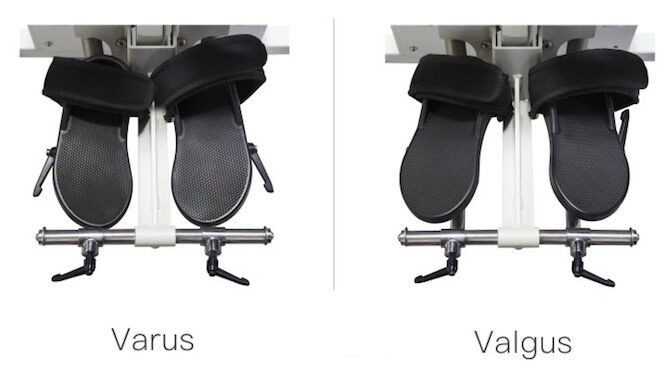
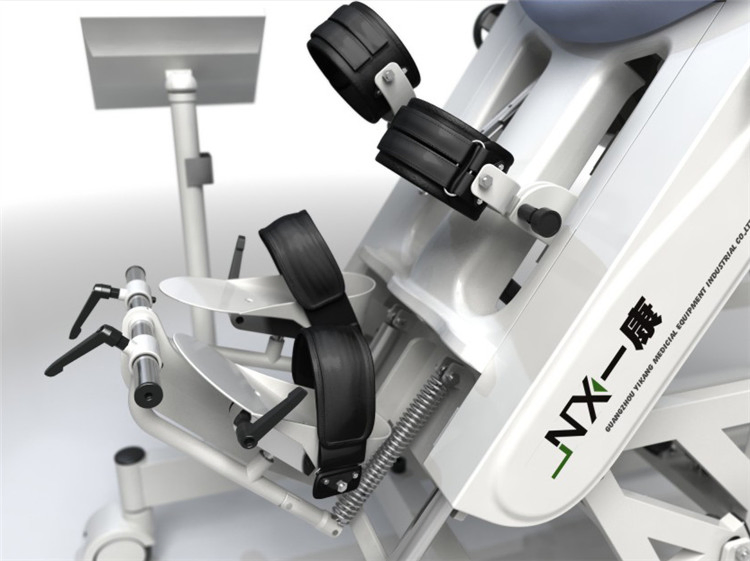
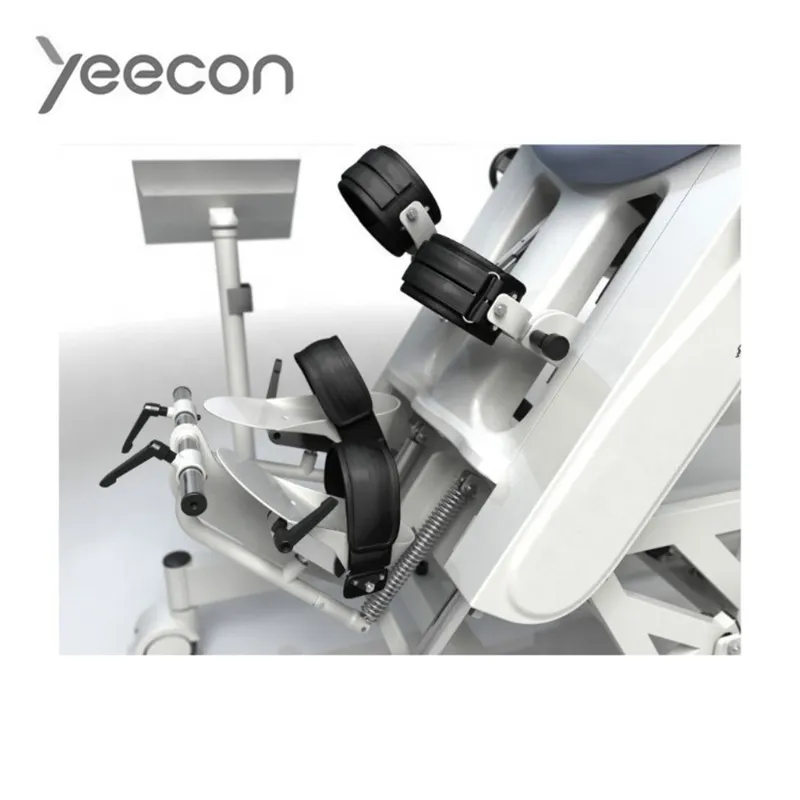
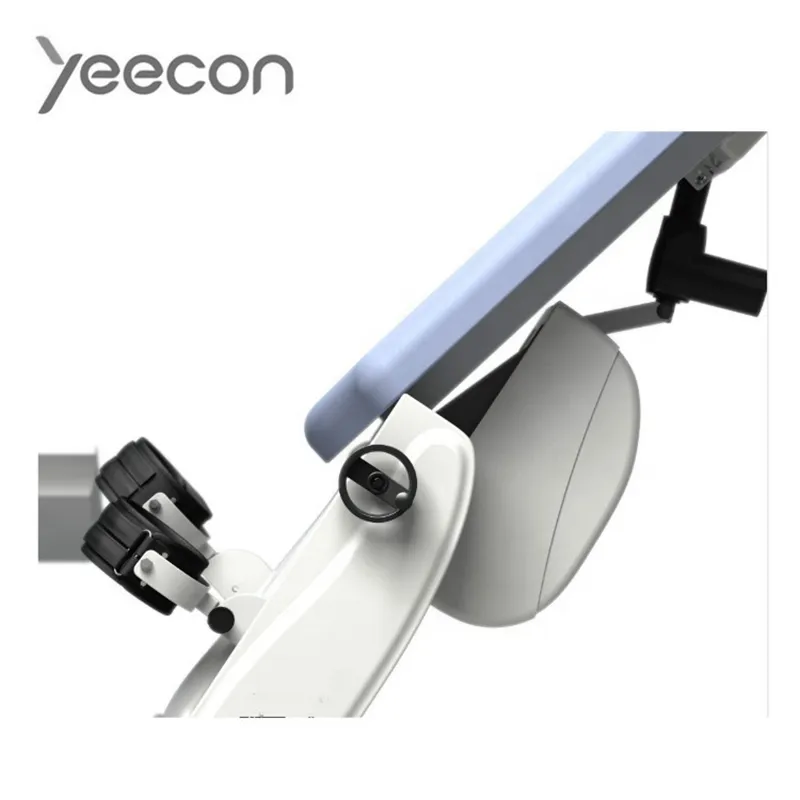
The distance between the feet and the angle of the toe flexion/extension are completely adjustable. The two-sided pedal can be used for active or assisted walking training according to patients' needs.
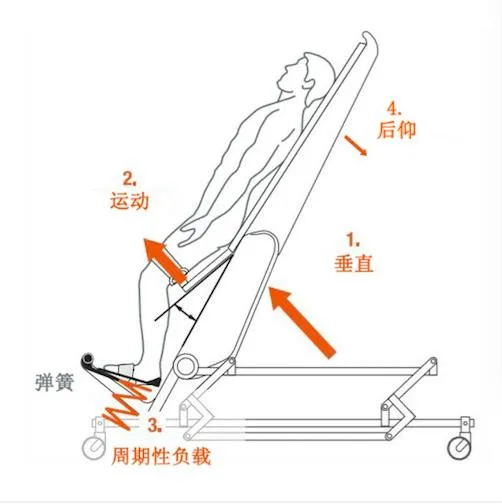
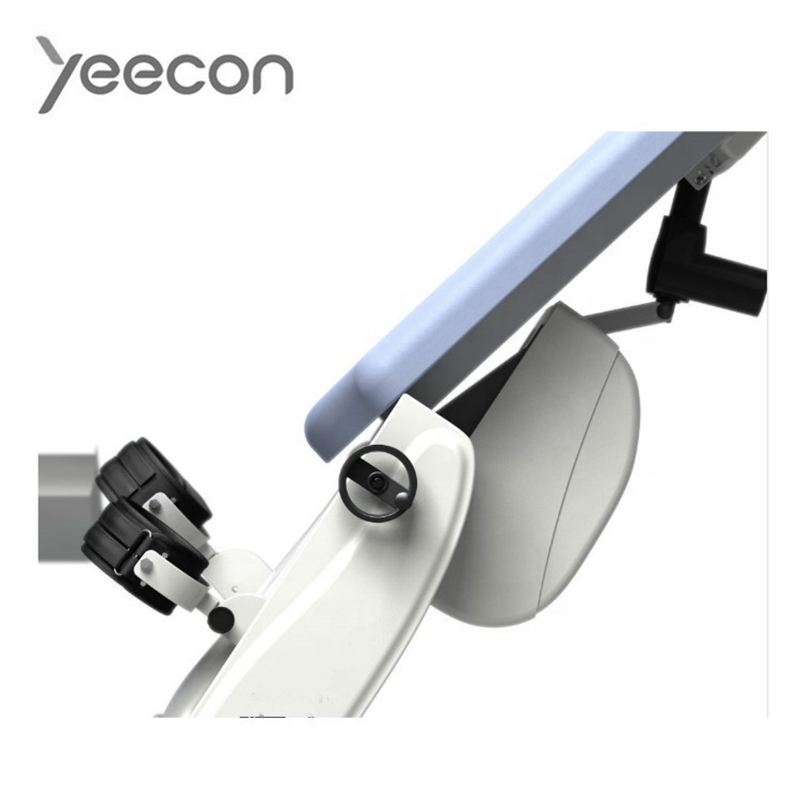
  • 0-80 degree progressive standing with special suspension bind.
  • Spasm monitoring system for training safety.
  • Enables walking in the lying position for non-standing patients.
  • Anti-gravity suspension bind reduces body weight for easier stepping.
  • Servo motor control system effectively imitating physiological gait.
  • Combines standing, stepping, and suspension in one system.
Servo Motor Control

Stepping under biological load can stimulate the proprioception of legs, increase the input of proprioception and promote the growth of nerve synapses.
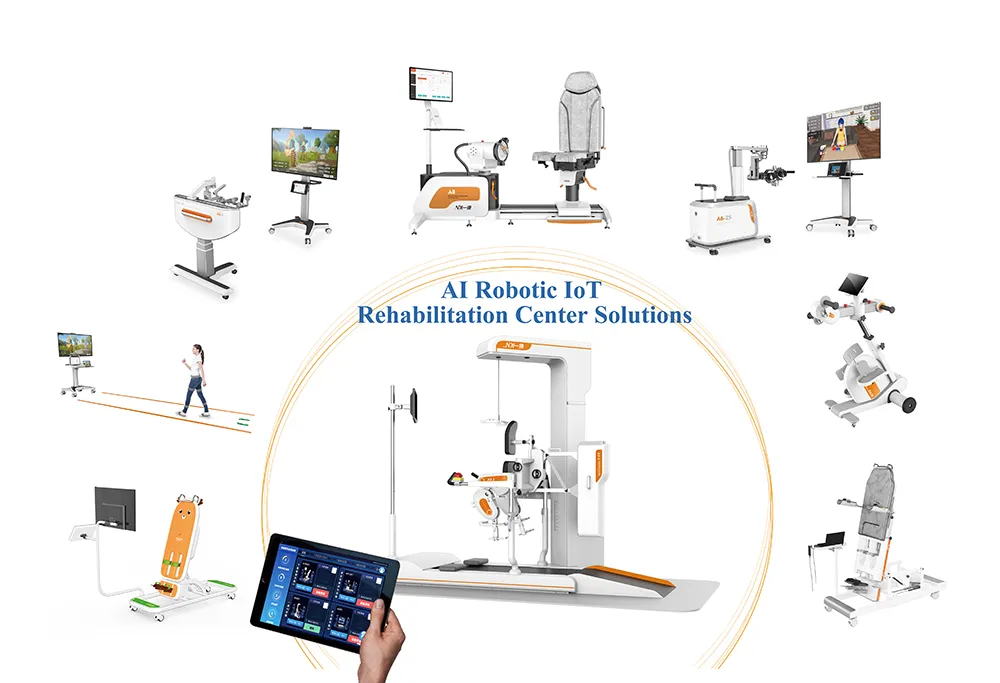
Rehabilitation Overview
Rehabilitation Center
🏢 Manufacturing Profile

Founded in 2000, the manufacturer is a senior rehabilitation medical equipment company integrating independent research, development, production, and operation. The intelligent rehabilitation robotics series has always been in a leading position in the industry. As a pioneer in independent research and development, we supply various series including physical therapy, occupational therapy, and treatment tables.


Production Line
Laboratory
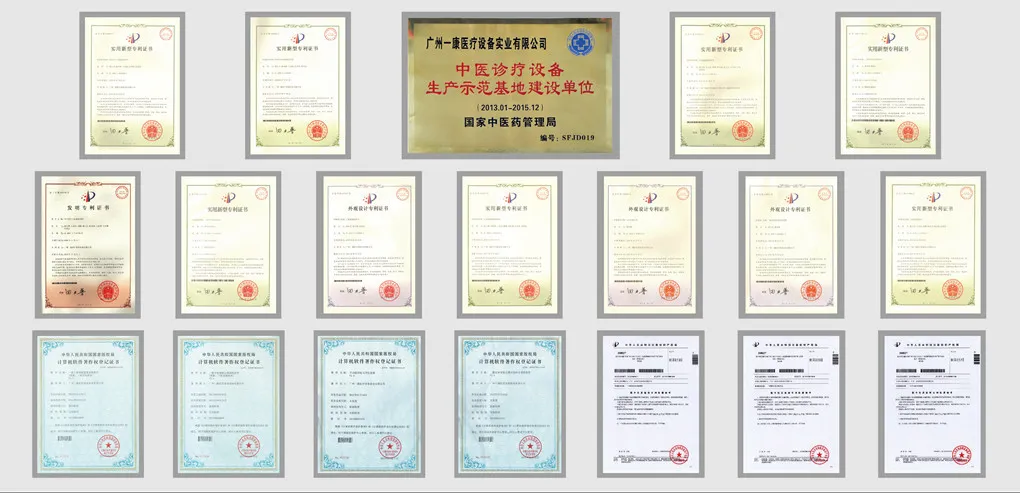
📜 Certifications
Certifications Display
❓ Frequently Asked Questions
What is a Robotic Tilt Table?
It is an advanced rehabilitation device that combines a tilt table with robotic stepping technology, allowing patients to simulate walking while safely supported at various angles.
Who should use the A1 Robotic Tilt Table?
It is designed for patients with nervous system disorders, such as stroke, traumatic brain injury, or incomplete spinal cord injuries, particularly those in the early stages of recovery.
How does the spasm monitoring system work?
The system detects muscle spasms during training and automatically adjusts or pauses to ensure patient safety and maximize the therapeutic effect.
Is the stepping speed adjustable?
Yes, the stepping speed can be adjusted from 1 to 80 steps per minute to accommodate different stages of the patient's rehabilitation.
What are the benefits of early gait training?
Early training helps prevent complications like orthostatic hypotension, reduces recovery time, and stimulates the nervous system to regain motor functions faster.
Can it support patients who cannot stand on their own?
Yes, the anti-gravity suspension and binding system allow patients without standing ability to perform walking exercises in a lying or tilted position.

Related Products