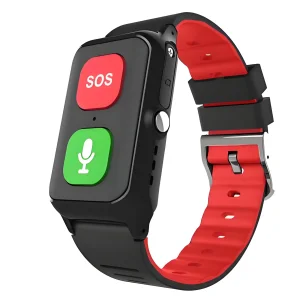
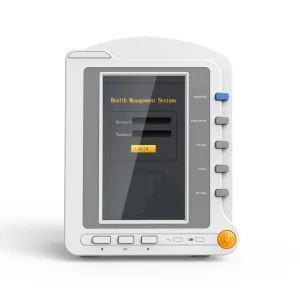
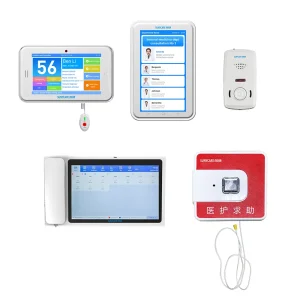
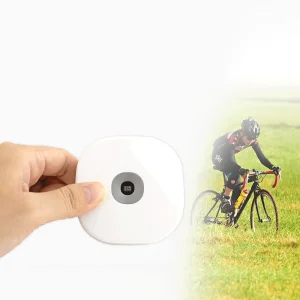
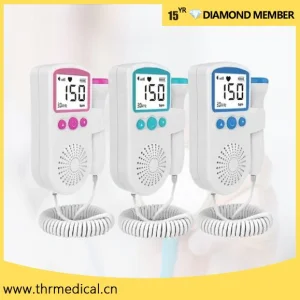
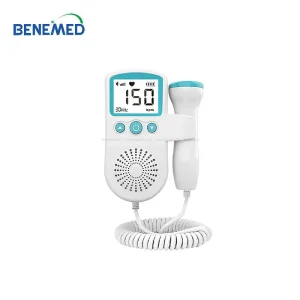
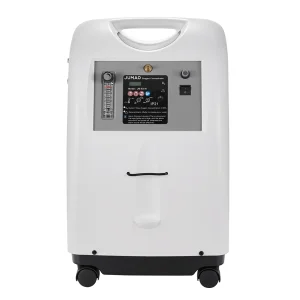
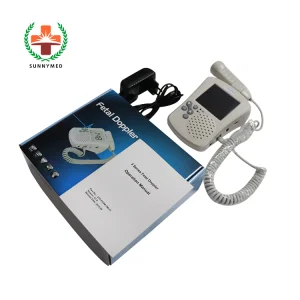
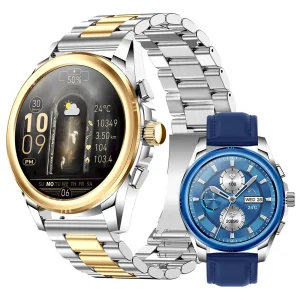
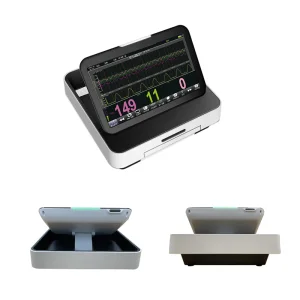
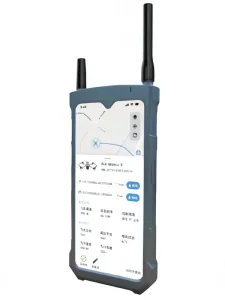
Our flagship selection of FDA/CE-registered physical health tracking devices, ward communication hubs, and environmental sensors for advanced clinical deployment.
The global remote patient monitoring (RPM) ecosystem has entered an era of rapid transition. Once confined to acute intensive care units, critical telemetry systems have expanded into the home environment. Propelled by structural healthcare reforms, rising geriatric populations, and the prevalence of chronic respiratory ailments such as Chronic Obstructive Pulmonary Disease (COPD), asthma, and post-viral complications, CE Certified Remote Respiratory Monitors are now essential tools for digital health integration.
Modern remote respiratory tracking relies on multi-channel data acquisition, incorporating parameters like Peripheral Oxygen Saturation (SpO2), respiration rate (RR), pulse rates, and airway pressure variations. As healthcare providers look to reduce readmission rates and lower outpatient costs, medical systems rely heavily on robust data pathways. These devices transmit real-time diagnostic telemetry to cloud-based electronic health record (EHR) databases, empowering care teams to intervene before a clinical deterioration occurs.
In the international export landscape, CE certification (under the updated European Medical Device Regulation MDR 2017/745) serves as the primary benchmark for safety, reliability, and precision. Without rigorous compliance frameworks, remote monitoring hardware fails to clear international customs or meet public sector tenders. Distributors must prioritize manufacturers that combine hardware engineering with deep regulatory compliance.
Key engineering domains driving accuracy and integration in professional clinical environments.
Utilizing low-latency 4G LTE, NB-IoT, and dual-band Wi-Fi protocols to ensure secure medical transmission even in low-signal residential environments.
Every respiratory monitor and oximetry module undergoes calibration tests, meeting requirements for Class IIa/IIb medical telemetry equipment.
Real-time processing algorithms filter sensor noise caused by patient movement, reducing false alarms and providing accurate physiological readings.
In the medical device supply chain, production precision directly impacts clinical outcomes. Shenzhen VetCura Medical Co., Ltd. stands out as a leading manufacturer of home medical monitoring devices, specializing in advanced blood pressure, oxygenation, and respiratory monitoring solutions. Based in Shenzhen, China, the global capital of electronics and hardware innovation, VetCura combines R&D with manufacturing efficiency.
Shenzhen VetCura Medical Co., Ltd. offers a comprehensive range of products, including digital blood pressure monitors, pulse oximeters, and integrated vital signs monitoring systems. With a strong commitment to accuracy and safety, all products are developed in accordance with international quality standards, ensuring consistent performance and dependable results for global users.
VetCura integrates smart technologies like Bluetooth connectivity, app-based data tracking, and remote patient monitoring capabilities. This allows patients and healthcare providers to monitor health metrics in real time, supporting early detection and chronic disease management. The company also offers flexible OEM and ODM services to meet custom requirements, from design and prototyping to mass production and strict compliance testing.
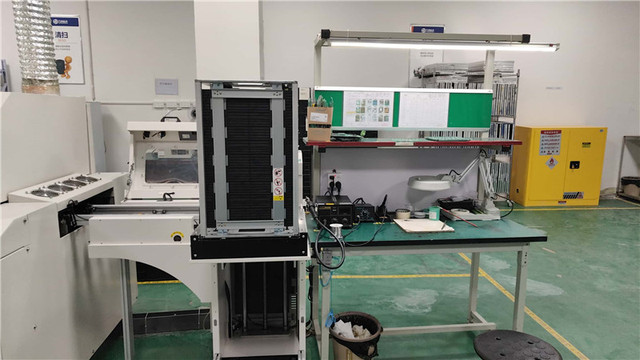
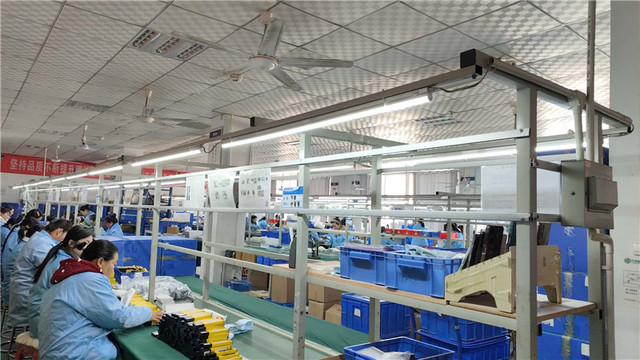
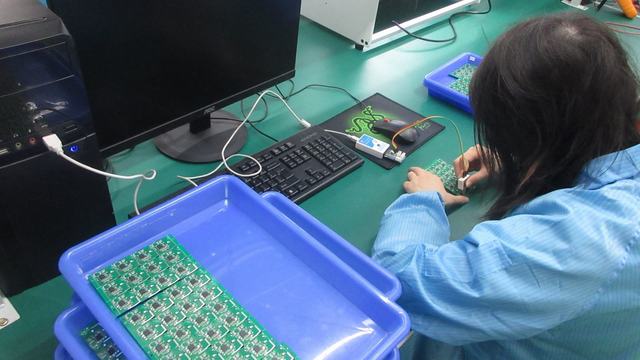
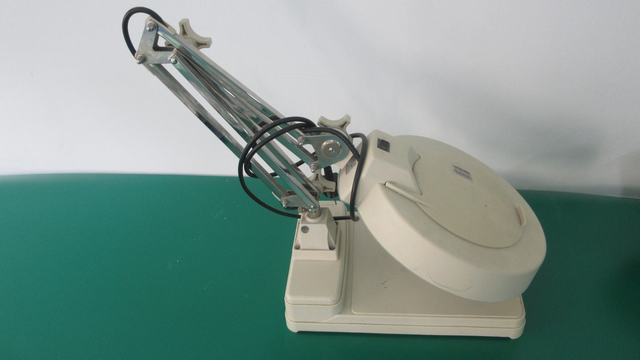
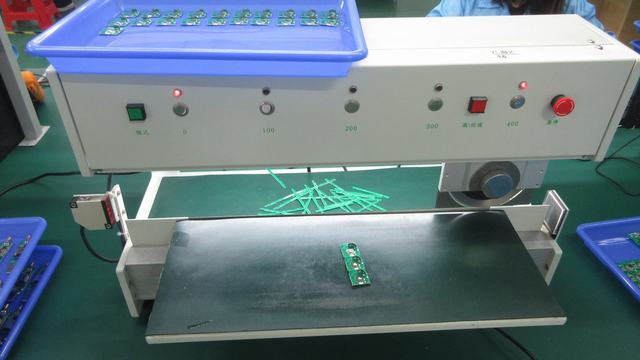
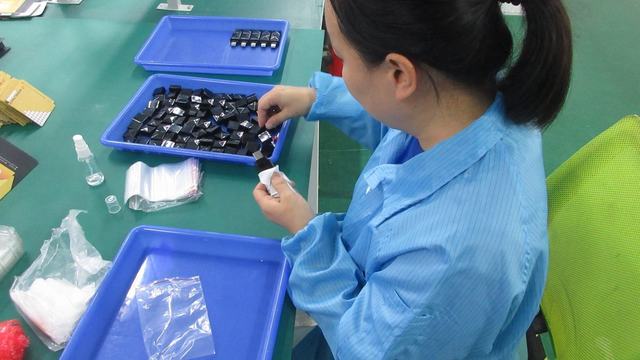
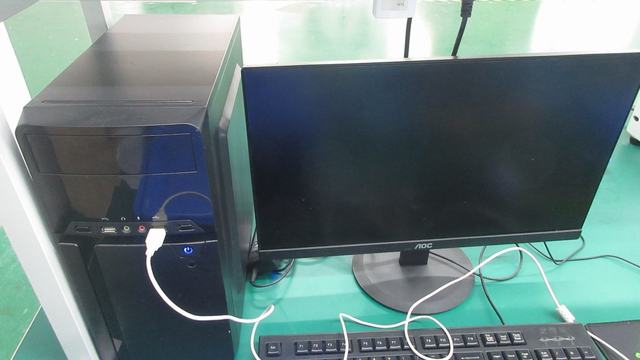
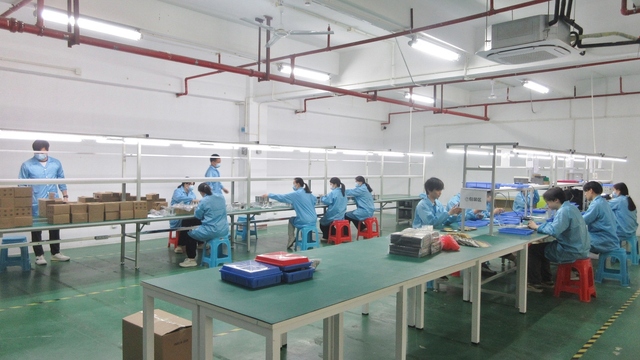
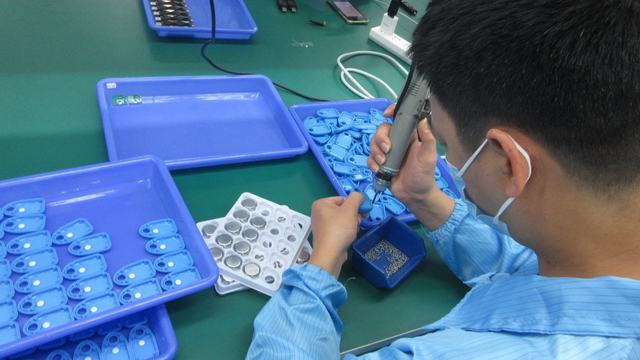
Through advanced Surface Mount Technology (SMT) lines, dust-free cleanrooms, and testing instrumentation, the factory produces high-reliability biosensors, fetal monitors, and respiratory wellness devices. Below is a window into the manufacturing facility:

Healthcare challenges vary by region and infrastructure. Modern respiratory and patient monitoring hardware must adapt to different localized use cases:
The remote patient monitoring industry is evolving rapidly, driven by trends that will shape the next generation of respiratory care devices:
Sourcing medical-grade respiratory monitoring hardware requires thorough evaluation. Procurement managers should consider these steps:
1. Verify Regulatory Certification: Ensure the factory provides verified CE certificates (MDR compliant) and FDA registration documents. Request testing reports for electromagnetic compatibility (EN 60601-1-2) and biocompatibility (ISO 10993).
2. Assess Communication Protocols: Confirm that the devices operate on bands compatible with your target market's cellular infrastructure (e.g., NB-IoT, LTE-M, or dual-band Wi-Fi).
3. Evaluate Customization Capabilities: A quality OEM/ODM partner should offer customized firmware, multi-language instruction manuals, bespoke casing colors, and specialized API integrations.
Technical, regulatory, and logistics inquiries answered by our engineering and compliance teams.
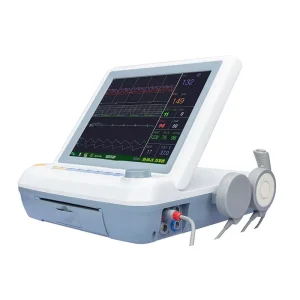
Our diagnostic equipment lineup includes maternal-fetal monitors, respiratory support systems, and high-sensitivity clinical instruments.
 VetCura Medical