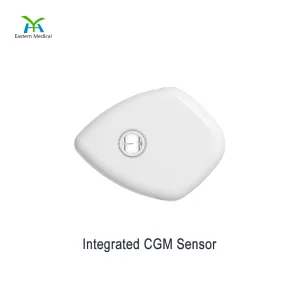
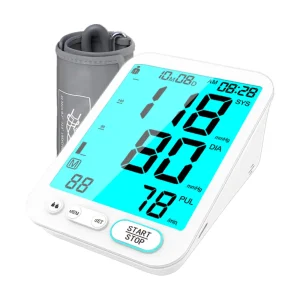
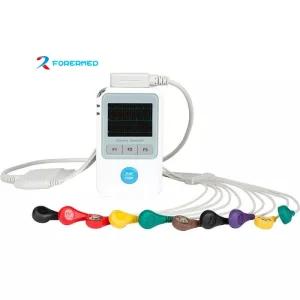
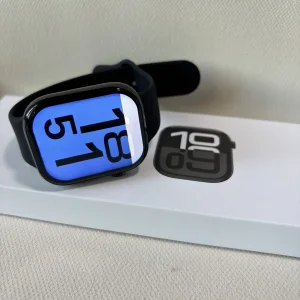
Explore our premium product portfolio designed for real-time monitoring, primary healthcare diagnostic enhancement, and smart physiological metrics collection.
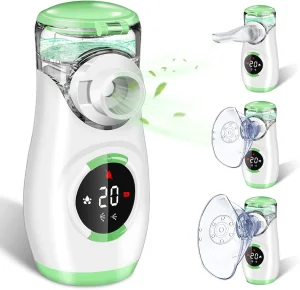
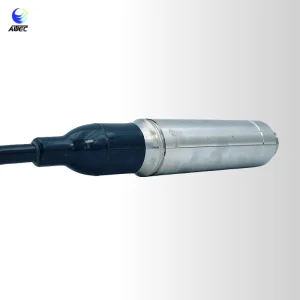
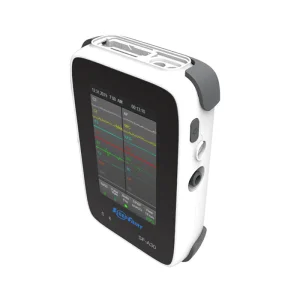
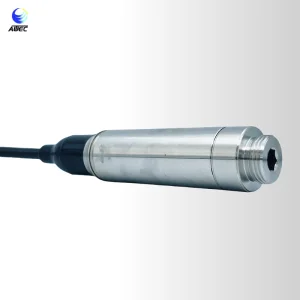
A comprehensive analysis of dry biochemistry, microfluidics, and the decentralized healthcare paradigm.
Modern clinical diagnostics are undergoing a monumental paradigm shift. Traditionally, patient care relied heavily on centralized clinical laboratories to perform critical hematology, blood gas, and clinical chemistry panels. While central labs provide high-throughput processing, the turnaround time (TAT) is inherently delayed by logistical hurdles including sample collection, transport, preprocessing, and reporting. In acute emergency settings, neonatology units, military field hospitals, and intensive care units (ICUs), a delay of even 30 minutes in blood chemistry reporting can impact patient survival rates. This challenge has driven the rapid advancement and global adoption of Portable Blood Analyzers and Point-of-Care Testing (POCT) systems.
As a leading innovator in modern clinical and consumer health tracking systems, Shenzhen VetCura Medical Co., Ltd. integrates highly sophisticated sensors and IoT frameworks to drive diagnostic efficiency. Our mission is to combine the precision of clinical laboratories with the mobility of handheld diagnostic platforms. By employing advanced microfluidics, dry chemical reagent matrixes, and electrochemical sensing arrays, modern portable analyzers can run comprehensive Panels—including basic metabolic panels (BMP), lipid profiles, blood gases (pH, pCO2, pO2), electrolytes (Na+, K+, Cl-, Ca++), and lactate levels—using only a few drops of whole blood directly at the patient’s bedside.
"By removing the centralized clinical laboratory bottleneck, Point-of-Care diagnostics allow clinicians to transition from a workflow of delayed sample processing to real-time clinical intervention."
A portable blood analyzer’s reliability is governed by its technical architecture. We integrate three core technologies in modern handheld and portable diagnostic systems:
Microfluidic cartridges contain micro-channels etched into polymer substrates. By utilizing capillary action and integrated micro-valves, these channels guide precise nanoliter volumes of blood across specific chamber arrays containing dried or liquid reagents, eliminating human pipetting errors.
For blood gas and electrolyte assays, portable systems utilize ion-selective electrodes (ISE) and enzymatic biosensors. Miniature electrodes measure potential differences or current changes generated by chemical reactions on the sensor surface, converting biological inputs into precise digital readouts.
To ensure high accuracy, these methods are combined with spectrophotometric analysis for parameters like total hemoglobin (tHb) or oxygen saturation. Handheld systems must also manage thermal regulation: biochemical reactions are highly sensitive to temperature fluctuations, requiring built-in heating elements within the reader to keep the reaction chamber at a stable 37°C.
Moreover, the integration of intelligent calibration chips within each reagent disc allows the system to automatically adjust calibration curves based on the specific batch profile, compensating for variances in temperature, relative humidity, and shelf life. This auto-calibration is critical for remote health centers and field clinics where maintenance specialists are unavailable.
The global market for portable blood analyzers is experiencing rapid growth, driven by aging populations, a rise in chronic lifestyle-related diseases (such as diabetes, cardiovascular disorders, and chronic obstructive pulmonary disease), and the expanding footprint of telemedicine. As hospitals and clinics look to optimize healthcare budgets, reducing hospital readmissions via remote diagnostics has become a primary target. Emerging markets in the Asia-Pacific region, Latin America, and Africa are seeing rising demand for portable clinical testing platforms, where they help bypass the lack of centralized laboratory infrastructure in rural and suburban communities.
Navigating global regulatory pathways is essential for international distribution. A high-quality manufacturer must align its engineering and manufacturing protocols with several regulatory systems: FDA 510(k) clearance in the United States, CE-MDR certification in the European Union, NMPA approvals in China, and regional audits like the Medical Device Single Audit Program (MDSAP). Aligning with these guidelines ensures that portable analyzers deliver reliable diagnostics, offering the data security and diagnostic accuracy expected by global healthcare buyers.
How portable diagnostics and continuous biosensors integrate across diverse clinical and home care environments.
In critical care settings, rapid diagnostics are vital. Portable blood analyzers deliver immediate blood gas, electrolyte, and metabolite results, allowing clinicians to make quick treatment decisions for patients in shock, respiratory distress, or diabetic ketoacidosis.
In remote communities, access to central laboratories is often limited. Portable diagnostic platforms allow local clinicians to run blood chemistry panels on-site, improving patient triage and reducing unnecessary transfers to larger hospitals.
Veterinary clinics and mobile units benefit from compact analyzers that deliver rapid diagnostic results. Handheld blood chemistry devices provide on-the-spot screening during animal field visits and emergency procedures.
Shenzhen VetCura Medical Co., Ltd. is a professional home medical monitoring devices manufacturer specializing in advanced solutions for blood pressure, glucose, oxygen monitoring, and portable clinical diagnostics. Based in Shenzhen, China, our company focuses on the research, development, and production of reliable, user-friendly healthcare devices designed for both home use and clinical support.
VetCura offers a comprehensive range of products, including digital blood pressure monitors, pulse oximeters, and integrated vital signs monitoring systems. Driven by innovation, VetCura integrates smart technologies such as Bluetooth connectivity, app-based data tracking, and remote patient monitoring capabilities. These features enable users and healthcare providers to monitor health conditions in real time, supporting early detection and long-term health management.
Our facility provides flexible OEM and ODM services, helping partners customize products to meet specific market requirements. From design and prototyping to mass production and quality control, VetCura ensures efficient project execution and strict compliance with global regulations. With a customer-focused approach, Shenzhen VetCura Medical Co., Ltd. continues to deliver intelligent monitoring solutions that improve everyday health management and enhance quality of life worldwide.
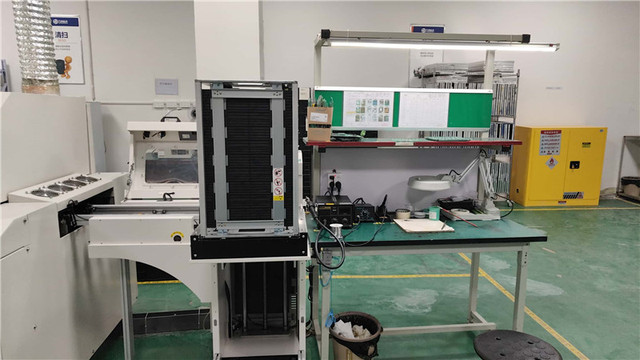
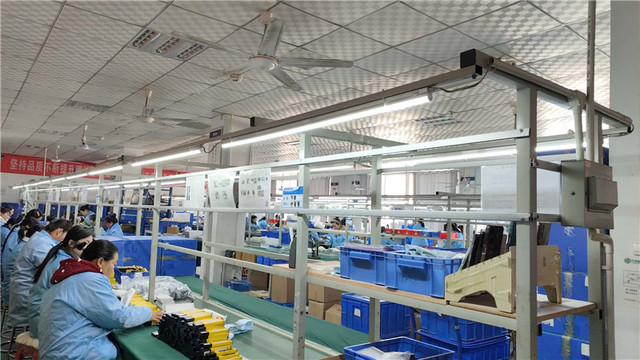
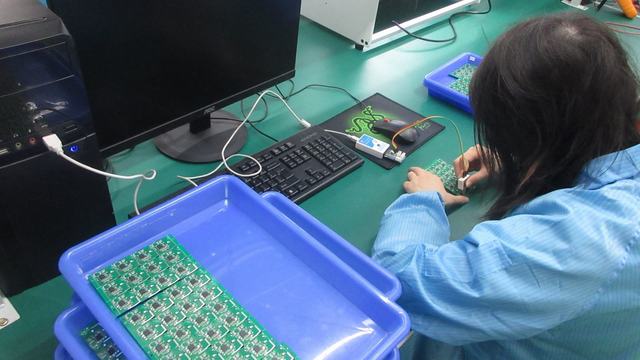
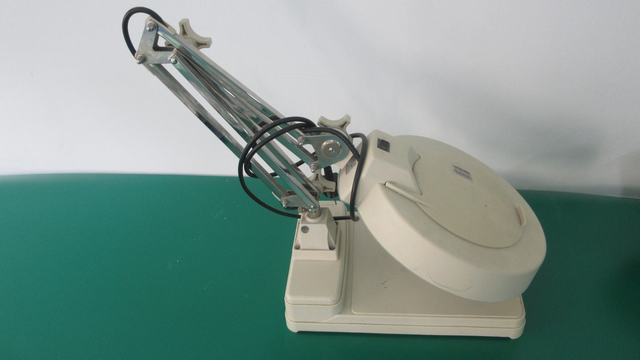
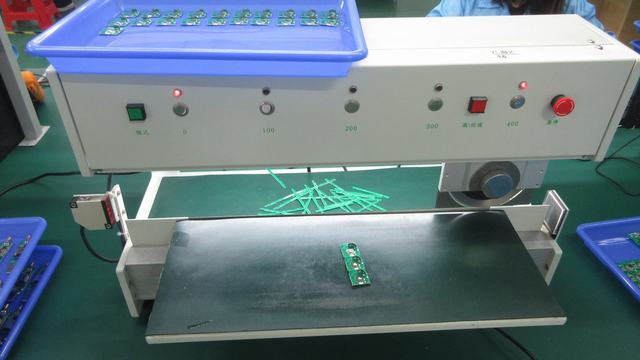
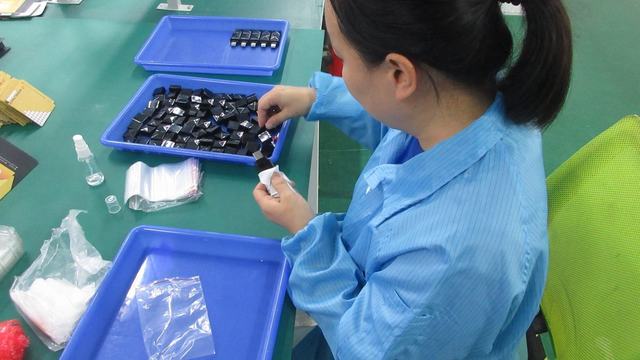
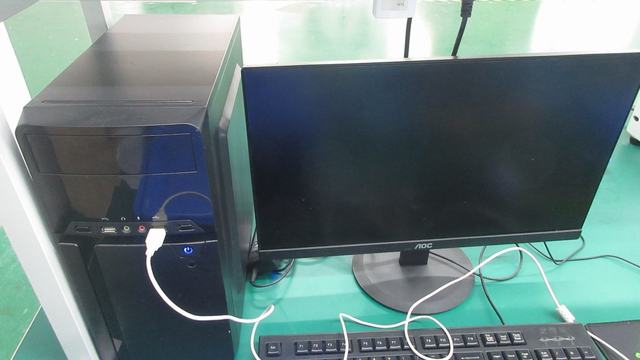
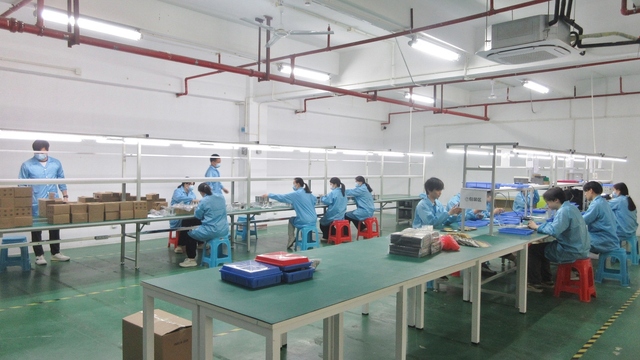

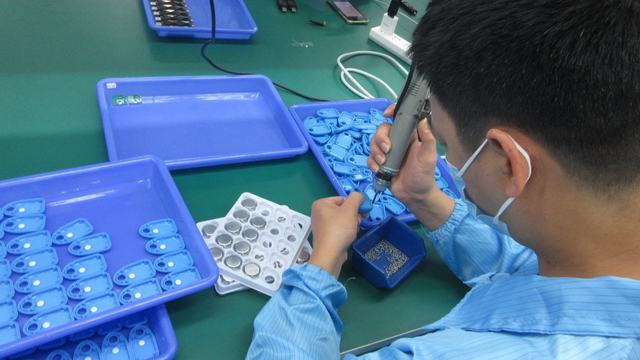
*For reference, additional production line documentation:
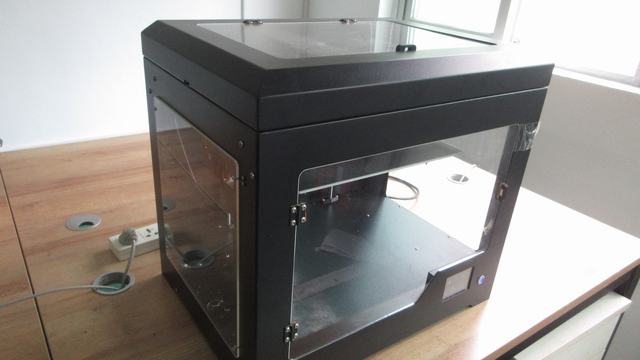 &
&
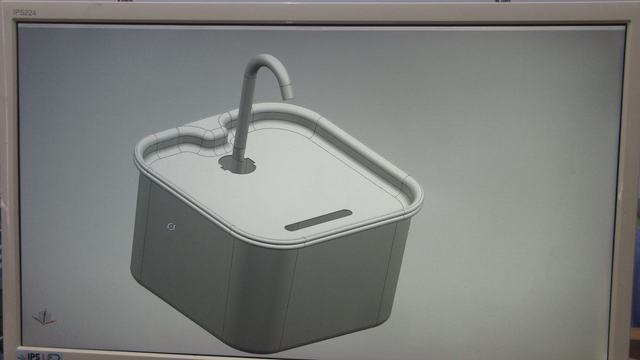 indicate complete adherence to medical quality control protocols.
Integrating portable blood analyzers into hospital software networks is essential for modern data management. Modern clinical devices are equipped with standard transmission protocols, including HL7 (Health Level Seven), ASTM, and POCT1-A, allowing them to communicate directly with Hospital Information Systems (HIS), Laboratory Information Systems (LIS), and Electronic Medical Records (EMR).
Using Wi-Fi, Ethernet, or Bluetooth connections, test results are automatically sent to the patient’s digital record as soon as a scan is complete. This automated data flow reduces transcription errors and ensures that medical teams have access to updated patient metrics in real time. For home care applications, this link extends to cloud databases, enabling healthcare providers to track chronic illnesses remotely and intervene when necessary.
Looking ahead, the development of portable blood analyzers is focused on three main trends: further miniaturization, multiplexing, and AI-assisted interpretation. Advances in silicon fabrication and microfluidic design are enabling smaller, lighter devices that maintain diagnostic accuracy while improving portability.
Multiplexing allows a single test cartridge to analyze diverse biomarkers simultaneously. Future cartridges will be capable of processing a complete blood panel—including blood gases, electrolytes, cardiac markers, and basic chemistry—from a single patient sample. Additionally, integrating machine learning algorithms helps analyze data trends over time, providing clinicians with actionable insights and supporting early diagnostic decisions.
Essential guidance on selecting, implementing, and maintaining portable clinical chemistry and monitoring hardware.
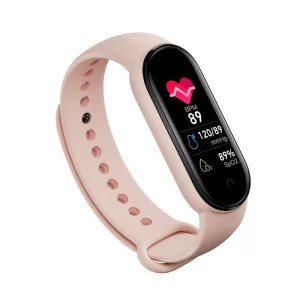
Enhance healthcare delivery with our integrated monitoring solutions, including continuous glucose sensors, ECG monitors, and remote health-tracking wearables.
 VetCura Medical