Explore our core clinical monitoring solutions designed for seamless deployment in elderly care environments and home health platforms.
The global demographic shifts—widely known as the "Silver Tsunami"—are forcing an unprecedented evolution in how healthcare systems handle aging populations. According to the World Health Organization, the global population of people aged 60 years and older will double to 2.1 billion by 2050. This surge is creating an unsustainable strain on institutional elder care infrastructure, prompting a systemic shift toward Remote Patient Monitoring (RPM) and home-based clinical diagnostics.
By leveraging advanced biosensors, non-invasive home diagnostics, and integrated IoT platforms, medical operators can mitigate acute health events, reduce hospital readmissions by up to 35%, and enable dignified aging-in-place. The implementation of modern elderly care monitoring systems isn't merely a convenience; it's a structural requirement for financial sustainability in national healthcare systems.
For medical device distributors, healthcare facility operators, and OEM brand managers, sourcing robust telemetry equipment is a delicate balance of cost, regulatory approval, and SDK/API integration capacity. Medical hardware manufactured in China has shifted from simple contract manufacturing to high-end engineering co-development.
Shenzhen VetCura Medical Co., Ltd. sits at the intersection of this technology curve, providing high-reliability, clinically-validated health trackers, patient monitors, and specialized therapeutic equipment designed for simple integration with external health clouds and electronic health records (EHR) software platforms.
A reliable remote health monitoring device operates on a stack of four distinct layers: Sensor Fusion, Local Compute (Edge Analytics), Wireless Communication, and Secure Cloud Telemetry. Understanding these engineering layers is critical for tech-enabled care networks and OEM buyers.
Utilizing high-frequency photoplethysmography (PPG) and micro-electrodes to capture vital metrics including arterial oxygen saturation (SpO2), multi-channel heart rate variability (HRV), and continuous pulse wave velocity. Devices like the Berry Pm6100 leverage multi-wavelength optical arrays to compensate for motion artifacts common in elderly patients.
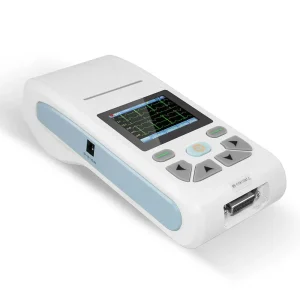
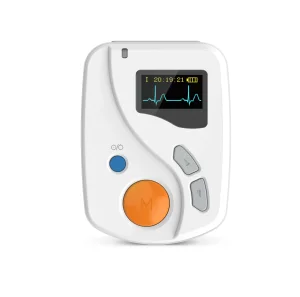
Older patients often present with multiple co-morbidities like atrial fibrillation (AFib) or complex arrhythmias. By deploying low-power digital signal processors (DSP) directly on the device, signals from portable ECGs (such as the Ambulatory Holter ECG Recorder) are filtered in real-time to remove muscle tremor artifacts and baseline drift, guaranteeing clean clinical data.
Our platforms support standard medical IoT connectivity configurations. Custom SDK smart bracelets and portable patient monitors utilize low-power Bluetooth (BLE 5.0) paired with companion gateway apps, or direct Cellular (NB-IoT/LTE-M) modules for standalone home tracking. This ensures real-time alarm alerts for fall detection or severe desaturation reach cloud servers without requiring user intervention.
The operational context of elderly care monitoring varies significantly by geographical region, infrastructure availability, and target demographic. Below we outline three prominent implementation frameworks optimized for modern healthcare networks.
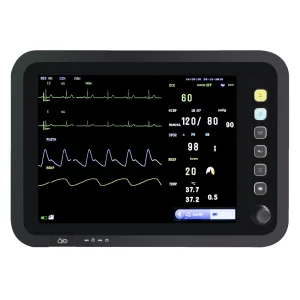
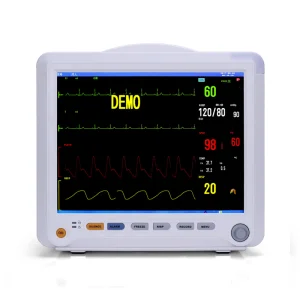
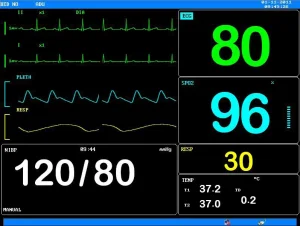
In mid-to-large-scale nursing facilities, manual vital signs checks place immense labor demands on nursing staff. By implementing localized multi-parameter patient monitor networks (e.g., 12.1-inch Multiparameter Monitors alongside hand-held devices), facilities establish centralized nursing stations.
Critical trends, such as dynamic oxygenation dips, sustained tachycardia, or dangerous blood pressure changes, are routed directly to central monitors. This shifts care from responsive emergency management to preventive optimization, significantly reducing overnight falls and sudden cardiac occurrences.
Post-acute patients transitioning from hospital beds to home care require rigorous clinical oversight to prevent readmission. For patients with COPD, congestive heart failure (CHF), or recovery from ischemic strokes, continuous monitoring is vital.
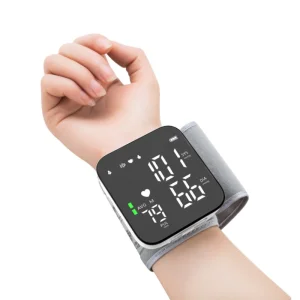
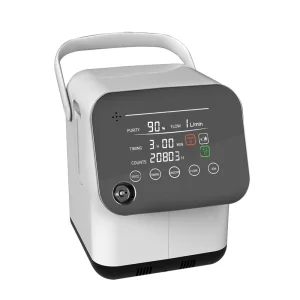
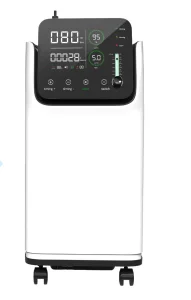
Deploying specialized home care packages—such as the Fitconn Smart Blood Pressure Monitor, portable pulse oximeters, and medical-grade oxygen concentrators with integrated purity sensors—creates an virtual ward. The medical data is securely shared through custom SDK integrations directly into primary care physician dashboards.
Shenzhen VetCura Medical Co., Ltd. is a professional, clinical-grade home medical monitoring devices manufacturer specializing in advanced solutions for blood pressure, oxygenation, and physiological telemetry monitoring. Based in Shenzhen, China, the global capital of electronic design and manufacturing, the company operates at the leading edge of medical IoT research, development, and production.
Our comprehensive portfolio, spanning digital blood pressure monitors, pulse oximeters, portable ECG recorders, and advanced rehabilitation physiotherapies like TMS therapy devices, is developed in strict accordance with international quality standards. With a dedicated engineering team, VetCura integrates modern technologies such as Bluetooth connectivity, API-based software tracking, and remote patient monitoring features that facilitate early diagnosis and long-term therapeutic care.
We pride ourselves on offering flexible, high-fidelity OEM and ODM services. From initial structural styling and electrical prototyping to software SDK customization and medical registration compliance (including CE and FDA), VetCura guarantees efficient execution, reliable lead times, and rigorous quality control protocols.
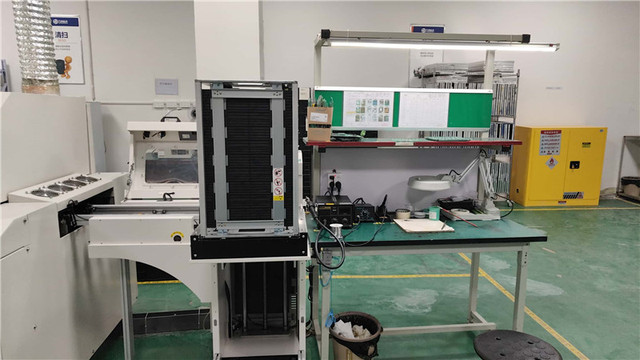
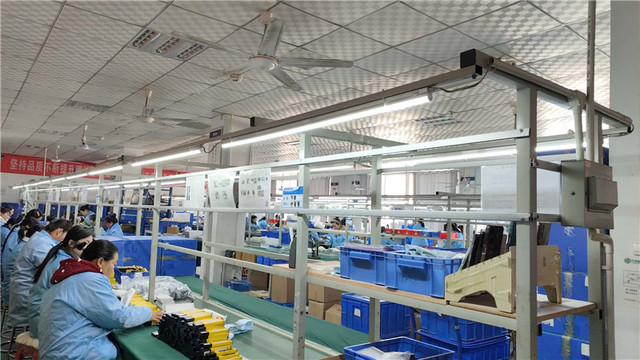
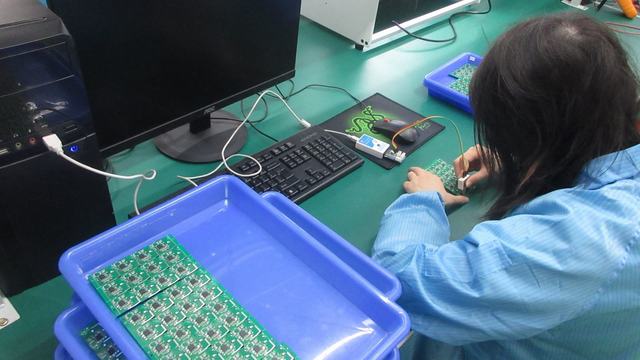
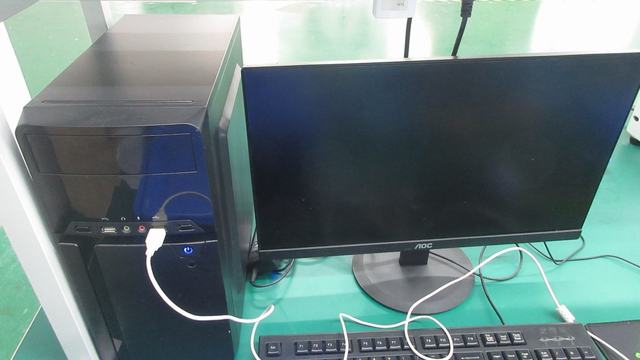
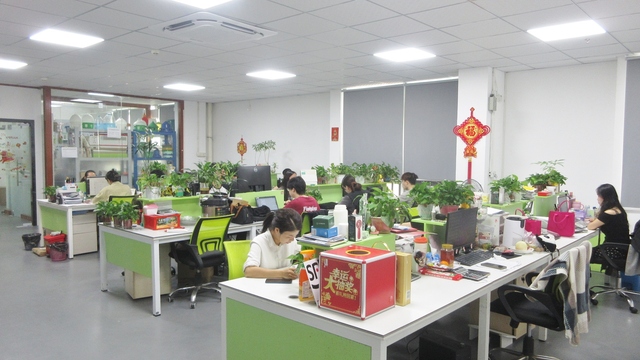
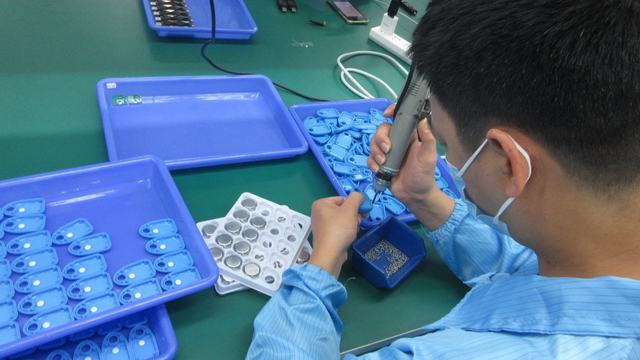
We operate a state-of-the-art facility featuring advanced calibration machinery, cleanroom assembly chambers, and comprehensive QA testing bays to ensure every medical device meets global parameters.
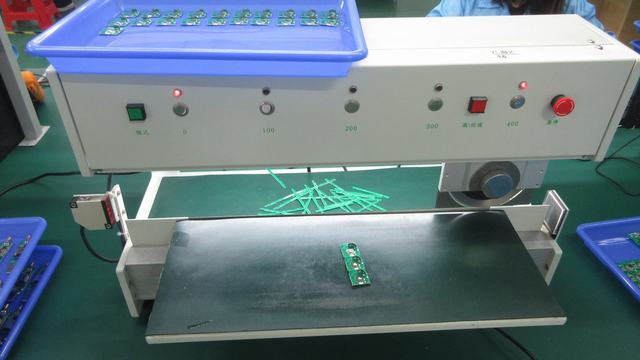
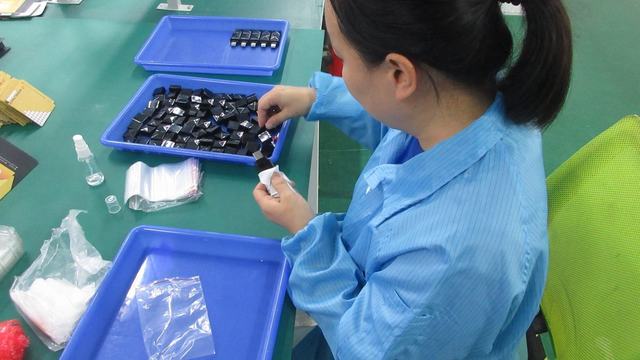
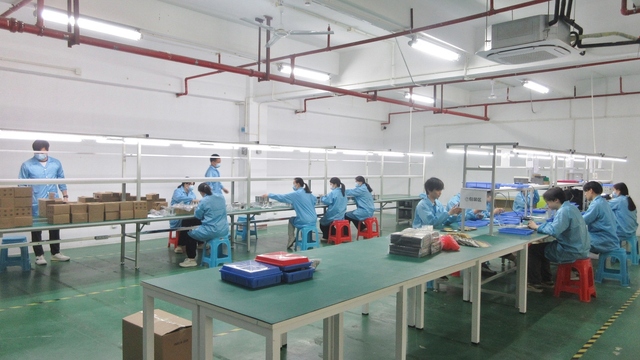
As the market matures, the technological expectations placed on wholesale manufacturers continue to increase. Several key development vectors are redefining how product managers plan their clinical-grade sourcing roadmaps:
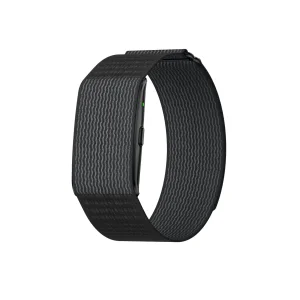
Traditional smartwatches and patient monitors feature bright displays that consume high levels of battery power and present complicated interfaces for older individuals. The industry is moving toward screenless fitness trackers and smart bracelets with custom SDKs. These focus entirely on background data gathering—capturing HRV, sleep cycles, steps, and core temperature—without needing user intervention or complex daily charging.
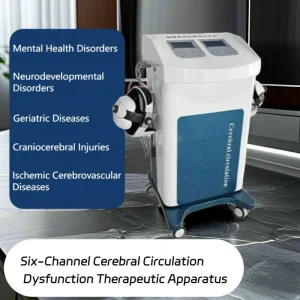
Physical health tracking is increasingly combined with neurological care. Modern elder care solutions incorporate neurological therapies—such as Transcranial Magnetic Stimulation (TMS) therapy devices—alongside real-time EEG feedback. This combination enables clinical professionals to monitor brain activity while actively administering non-invasive therapies to treat depression, anxiety, and post-stroke complications directly at home.
Standard accelerometers are prone to false alarms. Next-generation systems integrate multiple sensors—combining actigraphy, photoplethysmography, and edge-computed machine learning models—to cross-analyze changes in blood pressure, heart rate, and movement speed. These advanced multi-parameter architectures can predict potential fall risks before they occur, allowing caregivers to intervene proactively.
Find answers to common technical, manufacturing, and regulatory questions regarding our elderly care monitoring systems.
We provide full-access SDKs and Bluetooth protocol documentation for our wearable trackers, pulse oximeters, and digital blood pressure monitors. This enables platform developers to bypass proprietary apps and pull raw sensor data (including photoplethysmography waveforms, raw ECG points, and SpO2 trends) directly into their HIPAA-compliant databases or customized EHR platforms.
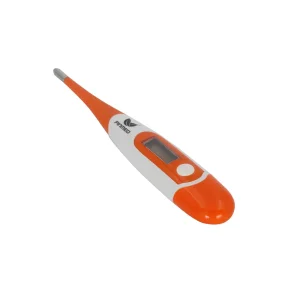
Yes, our clinical-grade diagnostic equipment (such as our Holter monitor recorders, multi-parameter patient monitors, and digital thermometers) are manufactured under ISO 13485 quality systems and carry CE and CE MDR marks, with Select models undergoing FDA 510(k) review. Our manufacturing plants maintain strict compliance with global standards, streamlining local registration for importers in North America, Europe, and the APAC region.
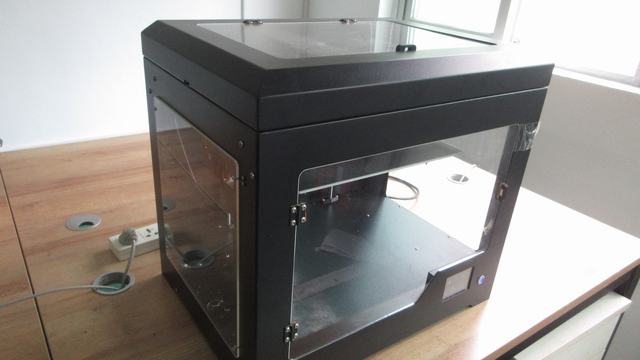
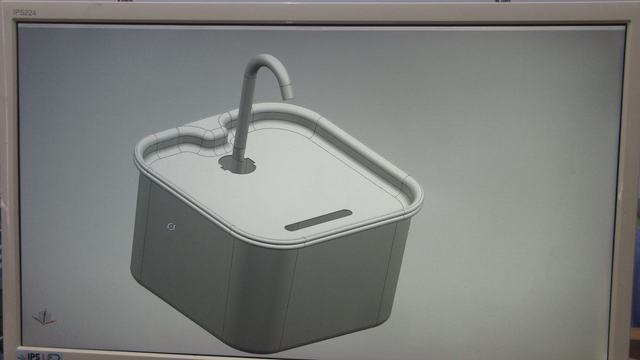
Our OEM/ODM services cover industrial styling, hardware redesign, custom firmware protocols, and tailored packaging. Our research and development center supports partners from initial concept through circuit schematic design, PCB layout engineering, prototyping, and final tooling, helping you launch custom medical monitoring systems on time and within budget.
For standard off-the-shelf devices, the MOQ starts as low as 100 units. For OEM orders involving custom brand printing or custom packaging, the MOQ ranges from 500 to 1,000 units. Comprehensive ODM developments involving new molds and customized firmware require a project evaluation, with MOQ targets determined by design complexity.
Review our specialized supportive and clinical items built to maintain patient care continuity across diverse environments.
 VetCura Medical