Top 10 Risks of Ignoring Abnormal Vital Signs?

Time:2026-11-04 Author:Henry
0%

A blood pressure cuff tightens around an arm, a thermometer flashes a fever, or an oxygen monitor shows a falling number. These readings can be unsettling. One unusual result does not always mean a crisis, but dismissing a persistent change may delay care. The context matters: age, medical history, medications, symptoms, and even how a measurement was taken can affect its meaning.

So, what are the risks of ignoring abnormal vital signs? They range from overlooking infection, dehydration, or heart and breathing problems to allowing a treatable condition to worsen. A very fast pulse with dizziness, unusual confusion, severe breathlessness, or blue lips deserves urgent attention. Some warning signs are quieter. A person may seem merely tired while their breathing becomes faster or their temperature remains elevated. Numbers alone cannot diagnose the cause, and home devices can give inaccurate readings. Still, repeated abnormal results should not be brushed aside.

This guide explores ten potential risks, while recognizing that no list can replace individual medical advice. It explains why changes in temperature, pulse, blood pressure, breathing rate, and oxygen level may matter—and when to seek help. If a reading seems wrong, check it again using the device instructions and note any symptoms. But do not let repeated measuring become a reason to postpone urgent care. That distinction is easy to miss.
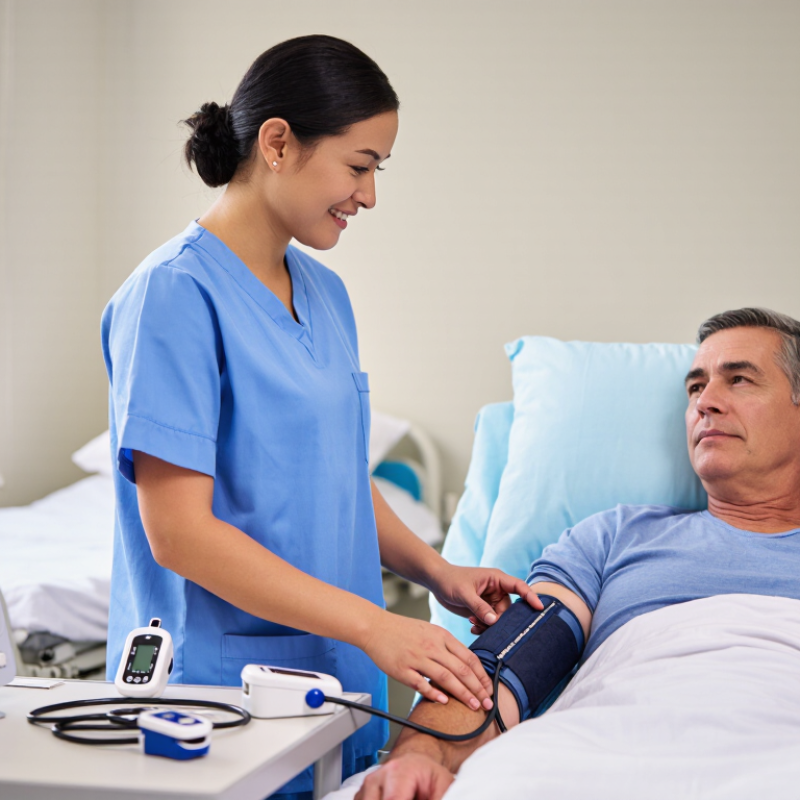
Top 10 Risks of Ignoring Abnormal Vital Signs?

How Vital Signs Reveal Changes in the Body

Top 10 Risks of Ignoring Abnormal Vital Signs?

How Vital Signs Reveal Changes in the Body

Vital signs offer small, measurable clues about how the body is coping. A rising temperature may accompany infection, while a faster pulse can appear with pain, dehydration, or stress. Breathing rate and oxygen levels can also change when the lungs or heart need attention. One reading rarely tells the whole story. Compare measurements with a person’s usual range and note symptoms, activity, and recent illness. Context matters.

Ignoring a persistent change can delay assessment of a developing problem. For example, someone who is unusually breathless, confused, faint, or has chest pain needs prompt medical attention. Severe symptoms call for emergency help. Less dramatic changes still deserve follow-up, especially when readings remain unusual after rest or worsen over time. Home devices can be useful, but technique and device accuracy affect results. I would not treat a single number as a diagnosis; even careful observers can miss the pattern.

Tips: Sit quietly for five minutes before measuring. Use the correct cuff size, and record the time, reading, and symptoms. Repeat an unexpected result once, if safe. Share persistent changes with a healthcare professional, and seek urgent help for severe symptoms. Don’t wait for a perfect log.

Immediate Risks of Ignoring Abnormal Readings

An abnormal vital sign may be an early warning, not a diagnosis. A racing pulse, labored breathing, or a suddenly low oxygen reading can reflect a serious problem. Minutes matter. If someone has chest pain, fainting, confusion, blue lips, or severe trouble breathing, seek emergency medical care rather than waiting for another reading.

Some readings are misleading. A loose cuff, cold fingers, movement, or a poorly placed thermometer can affect the result. If the person seems stable, repeat the measurement after a few quiet minutes and check that the device is positioned correctly. Record the number, time, and symptoms. Do not let repeated checks delay care when the person is getting worse.

Context matters, too. A fever may be more concerning in an infant or someone with a weakened immune system; an unusual blood pressure may matter more when paired with weakness or dizziness. Compare results with the person’s usual range, if known, and share the details with a clinician. It is easy to dismiss one odd number as a device error. Sometimes that is true; sometimes the person’s appearance tells a different story.

Effects on the Brain, Heart, Lungs, and Kidneys

An abnormal vital sign can be an early warning, even when someone looks mostly well. Numbers need context. A blood pressure reading far below a person’s usual level may mean the brain is receiving less blood, causing dizziness, confusion, or fainting. Very high pressure can also strain blood vessels, but one reading alone cannot explain why it happened.

The heart may respond to illness, dehydration, pain, or other stress with a racing or unusually slow pulse. If its pumping becomes ineffective, the brain and kidneys may receive less blood. The lungs are at risk when breathing becomes rapid, shallow, or labored, or oxygen levels fall. Blue lips, worsening breathlessness, or difficulty staying awake need urgent medical attention. A fingertip oxygen reading can be affected by cold hands or movement, so symptoms matter too.

Kidneys depend on steady blood flow. A prolonged drop in pressure or severe dehydration can reduce urine output and contribute to kidney injury. Fever, a fast pulse, and rapid breathing may accompany serious infection, though they do not prove one. Time matters. Recheck a surprising measurement after rest, using the device correctly, and note the person’s symptoms and usual readings. I would not dismiss a persistent abnormal result just because the person says they feel fine. Seek prompt medical care for concerning changes, and emergency help for severe symptoms.

How Delayed Attention Can Worsen Illness

An unusual pulse, temperature, breathing rate, or blood pressure reading can be easy to dismiss, especially when someone still looks well. Yet vital signs can change before symptoms become obvious. A fast heartbeat with fever may reflect infection or dehydration; unusually slow breathing can signal a serious problem. One reading is not a diagnosis. Numbers need context. Recent activity, stress, medicines, and measurement errors can affect results, too.

When a concerning reading is ignored, an illness may progress while treatment is delayed. Dehydration can worsen, breathing can become harder, or an infection can spread. The change may be subtle: a person becomes unusually sleepy, struggles to finish a sentence, or feels faint when standing. If a reading seems abnormal, repeat it after a few minutes of rest, using the device correctly, if symptoms allow. But do not wait for another measurement if there is severe trouble breathing, chest pain, fainting, new confusion, or bluish lips; seek emergency care. For persistent abnormal readings or worsening symptoms, contact a qualified health professional promptly. It is tempting to trust a familiar routine, or assume the device is wrong. Sometimes it is. That uncertainty is a reason to check, not a reason to ignore a clear change.

Top 10 Risks of Ignoring Abnormal Vital Signs? — How Delayed Attention Can Worsen Illness

No. Potential Risk Possible Warning Signs Why Delayed Attention Can Matter
1 Severe infection or sepsis Fever or unusually low temperature, fast heart rate, rapid breathing, confusion, or a general feeling of becoming seriously unwell. Some infections can progress rapidly and affect organ function. Prompt clinical assessment can help identify the cause and determine whether urgent treatment is needed.
2 Breathing failure or worsening respiratory illness Increasing breathing rate or effort, breathlessness, bluish lips, or oxygen readings below a person’s prescribed target or usual level. Low oxygen or worsening breathing can become dangerous, particularly in people with lung or heart conditions. A normal-looking appearance does not always rule out low oxygen.
3 Heart rhythm or circulation problems A very fast, very slow, or irregular pulse, especially with fainting, dizziness, chest discomfort, or shortness of breath. Some rhythm disturbances reduce blood flow to the brain and other organs or may signal an underlying heart problem that requires timely evaluation.
4 Hypertensive emergency or stroke-related harm A markedly elevated blood pressure reading, particularly with severe headache, chest pain, shortness of breath, confusion, weakness, vision changes, or difficulty speaking. Very high blood pressure accompanied by concerning symptoms can indicate acute organ injury. Sudden neurological symptoms may be a stroke emergency regardless of the blood pressure reading.
5 Shock or dangerously low blood pressure Low blood pressure with fainting, confusion, cold or clammy skin, a weak pulse, severe weakness, or rapid breathing. Inadequate circulation can deprive organs of oxygen. Shock is a medical emergency, and waiting for symptoms to resolve can delay lifesaving care.
6 Dehydration and kidney injury Fast pulse, dizziness on standing, low blood pressure, dry mouth, reduced urination, or inability to keep fluids down. Fluid loss can impair circulation and kidney function. Older adults, infants, and people with ongoing vomiting, diarrhea, or chronic illness may worsen quickly.
7 Heat-related or cold-related illness Very high body temperature, confusion, fainting, or hot skin after heat exposure; or a body temperature below 35°C (95°F), shivering, or unusual drowsiness after cold exposure. Severe heat illness and hypothermia can affect the brain, heart, and other organs. Confusion, collapse, or extreme temperature changes require urgent attention.
8 Medication or treatment complications A new abnormal pulse, blood pressure, temperature, breathing pattern, or oxygen level after starting or changing a medicine or treatment. Some medicines and treatments can affect heart rate, blood pressure, breathing, or temperature. Prompt review can help clinicians assess side effects, interactions, or another cause.
9 Delayed recognition of serious deterioration A worsening trend across repeated measurements, such as rising heart or breathing rate, falling blood pressure, or declining oxygen level. A single reading may be misleading, but a sustained or worsening pattern can be important. Delayed reassessment may allow an illness to progress before treatment begins.
10 Greater danger for people with limited physiological reserve A meaningful change from usual readings in an infant, older adult, pregnant person, or someone with a chronic heart, lung, kidney, or immune condition. Baseline readings and normal responses vary by person. These groups may have atypical symptoms or deteriorate with less warning, so changes from their usual condition deserve attention.

Important: Vital-sign ranges depend on age, health conditions, medications, activity, and measurement method. One abnormal reading does not establish a diagnosis; repeat it if safe and follow the person’s clinician-provided guidance. Seek emergency help for severe breathing difficulty, chest pain, fainting, new confusion, stroke-like symptoms, or rapidly worsening condition.

Long-Term Complications and Preventable Harm

An abnormal vital-sign reading is not a diagnosis, but it can be an early warning. Persistently high blood pressure, a rising resting pulse, or falling oxygen levels may signal trouble before symptoms feel dramatic. Over time, uncontrolled hypertension can damage the heart, brain, kidneys, and eyes. The WHO’s 2023 Global Report on Hypertension estimates that 1.28 billion adults worldwide have hypertension. About 46% are unaware, and only 21% have it controlled. Small changes matter. A single reading can mislead, though: cuff size, movement, pain, and fever can all affect results.

When unusual readings recur, recording the time, symptoms, and repeat measurements can help clinicians spot a trend. It is tempting to wait until someone looks seriously ill. That delay can be costly. The U.S. Centers for Disease Control and Prevention estimates that at least 1.7 million adults develop sepsis each year, and nearly 270,000 die as a result. Sepsis may involve fever or chills, a fast heart rate, rapid breathing, or low blood pressure. Organ injury can progress, making early recognition important. Still, numbers need context: recheck an isolated unusual value, but seek timely medical assessment for persistent or worsening changes.

FAQS

What can vital signs reveal about the body?

Temperature, pulse, breathing rate, and oxygen levels offer measurable clues. One reading rarely tells the whole story. Context matters.

Why compare a reading with someone’s usual range?

A person’s normal range and recent symptoms help put a result in context. Note activity, illness, and whether the change persists.

Which symptoms need emergency medical attention?

Seek emergency care for chest pain, fainting, confusion, blue lips, or severe trouble breathing. Minutes matter.

What should I do if a reading seems unusual?

If the person seems stable, let them rest quietly for a few minutes. Check the device position and repeat once, if safe. Don’t delay care if they worsen.

What details should I record?

Write down the reading, time, and symptoms. Include recent activity or illness when relevant. A perfect log is not necessary.

What can make a home reading misleading?

Movement, cold fingers, a loose cuff, or a poorly placed thermometer can affect results. Devices and technique are not always reliable.

Do some people need closer attention to unusual readings?

A fever may be more concerning in an infant or someone with a weakened immune system. Dizziness or weakness alongside unusual blood pressure also deserves attention.

Does an abnormal reading diagnose a health problem?

No. It may be an early warning, but it does not identify the cause. I could still miss important context, so share persistent changes with a healthcare professional.

Conclusion

Abnormal vital signs can be early clues that the body is under stress. Changes in temperature, heart rate, breathing, blood pressure, or oxygen levels may signal illness or a problem affecting how the body is functioning. The risks of ignoring these readings can include delayed recognition of a worsening condition, missed opportunities for timely care, and sudden complications. The answer to “what are the risks of ignoring abnormal vital signs” depends on the person and the cause, but the effects may involve the brain, heart, lungs, or kidneys.

When concerning readings go unnoticed, an illness may progress and become harder to manage. Ongoing problems can place strain on organs and contribute to lasting health complications or preventable harm. A single unusual measurement does not always mean there is an emergency, but repeated or severe abnormalities deserve attention. Checking readings in context, noticing new symptoms, and seeking appropriate medical advice can help identify changes sooner and reduce the chance that a treatable problem becomes more serious.

Henry

Henry

Henry is a dedicated marketing professional with a profound expertise in the company's offerings. With years of experience in the industry, he possesses an impressive understanding of the market dynamics and consumer behaviors that drive success. Henry is committed to sharing his insights through......