How Does Telehealth Work With Home Monitoring Devices?

Time:2026-10-02 Author:Sienna
0%

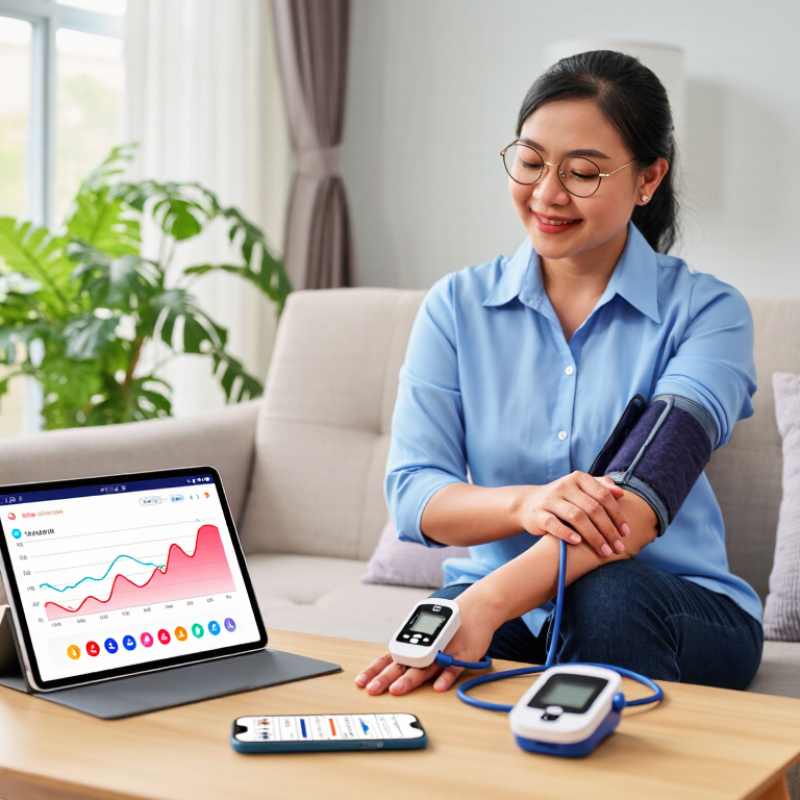
How does telehealth work with home monitoring devices? It connects patients, sensors, clinicians, and digital care systems beyond the clinic. A blood pressure cuff may record a morning reading. A pulse oximeter can capture oxygen levels after a short walk. A glucose meter may transmit results through Bluetooth or a secure mobile application.

The device collects information. The platform sends it to a clinical dashboard. Nurses or physicians then review trends, not only isolated numbers. They may contact a patient when readings change repeatedly. A clinician could recommend rest, medication review, or an in-person evaluation. The response depends on the patient’s condition and the care team’s protocol.

Joseph Kvedar, MD, a recognized telehealth researcher, said, “Telehealth is not a technology; it is a way of delivering care.” That idea matters here. Devices support care, but they do not replace clinical judgment. The process is not flawless. Batteries fail. Internet connections drop. Some patients may use a cuff incorrectly or forget morning measurements. A single abnormal result can also create unnecessary anxiety.

Reliable programs address these weaknesses. They teach patients how to position the cuff, clean sensors, and confirm unusual readings. They also explain when an alert needs urgent help. This article will examine how does telehealth work with home monitoring devices, including device setup, data transmission, clinical review, patient communication, privacy safeguards, and practical limitations. The goal is useful clarity, not technological hype.
How Does Telehealth Work With Home Monitoring Devices?

What Telehealth and Home Monitoring Devices Mean

Telehealth means receiving medical care through digital communication instead of sitting in a clinic. A video visit is telehealth. So is a secure message or a telephone consultation. Home monitoring devices add measured health information to that conversation.

A blood pressure cuff, pulse oximeter, thermometer, or glucose meter can record readings at home. Depending on the care program, those readings may be sent to a clinical team for review. The team can then ask about symptoms, adjust a care plan, or arrange an in-person assessment. It is not just a screen. It is a small bridge between daily life and professional judgment.

The CDC’s National Center for Health Statistics reported that 30.1% of U.S. adults used telehealth in 2022. The American Medical Association’s 2022 Physician Adoption of Digital Health report found that 93% of physicians used telehealth. These figures show broad adoption, but access is still uneven. Internet quality, device cost, digital skills, and language support can change the experience.

The data is not perfect.

A device may be used incorrectly. A single abnormal reading may create unnecessary worry. A normal number may also hide worsening symptoms. In practice, clinicians need trends, context, and patient descriptions, not numbers alone. Clear instructions matter: sit quietly, use the correct cuff size, and record symptoms beside each reading. WHO’s Global Strategy on Digital Health 2020–2025 also emphasizes that digital tools should strengthen safe, equitable, people-centered care.

How Home Devices Collect and Transmit Patient Data

Telehealth connects patients with clinicians through home monitoring devices. These devices measure details such as blood pressure, pulse, temperature, oxygen levels, or glucose. A sensor captures the reading, then sends it to a phone, tablet, or home hub. The information travels through a secure digital connection to a clinical record or monitoring platform. Small readings can reveal important changes.

Data quality depends on correct use. A patient may sit quietly, place a cuff at heart level, and repeat a reading when results seem unusual. The device may use Bluetooth or Wi-Fi, while some systems store readings until a connection returns. Clinicians review trends rather than one isolated number. They may contact the patient when values cross agreed limits. However, a device is not perfect. Movement, poor positioning, weak batteries, or an unsuitable sensor can distort results. I have found that clear instructions often matter as much as the technology itself. People can still misunderstand a simple step.

Tips: Keep the device clean and charged. Follow the same measuring routine each day. Record symptoms beside unusual readings. Confirm that data successfully uploads. Ask the care team how quickly they review alerts. Never change medication based only on a device reading. Some measurements need confirmation through clinical assessment.

How Clinicians Review Remote Health Information

How Does Telehealth Work With Home Monitoring Devices?

How Clinicians Review Remote Health Information

When a home monitoring device sends health information, clinicians review it inside a secure clinical system. They do not simply watch numbers. They examine timing, frequency, missing entries, and changes from the patient’s usual pattern. A single high blood pressure reading may follow stress, exercise, caffeine, or an incorrect cuff position. Trends often provide stronger evidence than isolated results. The clock matters.

Clinicians compare device readings with symptoms, medication changes, recent illness, and daily activity. They may contact the patient to confirm how the measurement was taken. Was the person seated? Had they rested? Was the sensor placed correctly? These practical questions protect against false alarms and overlooked deterioration. When readings pass a prearranged threshold, trained staff follow a documented escalation pathway. That may involve repeat measurements, same-day advice, or urgent evaluation, depending on symptoms and risk. Not every alert means danger.

Reliable review also requires checking data quality. A weak connection, low battery, or missed measurement can create gaps that look clinically meaningful. Clinicians should record their reasoning, communication, and follow-up plan. Patients need clear explanations about who reviews the information and when they should expect contact. Remote monitoring is useful, but it is not flawless. A cuff can slip. A patient can misunderstand instructions. Those imperfections deserve attention, not blame. A follow-up message may ask the patient to rest five minutes and repeat the reading.

How Telehealth Appointments Use Monitoring Results

A telehealth appointment often begins before the video call. A patient records blood pressure, temperature, oxygen level, weight, or glucose at home. The device sends readings through a secure patient portal, or the patient enters them manually. The care team reviews timing, measurement conditions, and recent patterns. One isolated number rarely tells the whole story. Context matters.

During the visit, the clinician compares readings with symptoms and treatment changes. They may ask whether the patient had just climbed stairs, felt anxious, or used the wrong cuff size. A sudden weight increase can prompt questions about swelling, salt intake, or missed medication. A low oxygen reading may need a repeat check while the patient sits still. The clinician might adjust follow-up timing, request another measurement, or recommend an in-person assessment. Data supports judgment. It does not replace it.

Home monitoring is useful, but it is not perfectly clean. Batteries fail. People forget. Sensors can be misplaced. In practice, patients may worry about one unusual result, even when later readings seem normal. That reaction is understandable and should be discussed openly. Patients should report urgent symptoms instead of waiting for a scheduled appointment. Clinicians also need to explain which readings matter, how often to record them, and when a result needs prompt attention. Clear instructions make remote care more practical.

How Does Telehealth Work With Home Monitoring Devices? - How Telehealth Appointments Use Monitoring Results

Home Monitoring Device Common Measurement Typical Monitoring Schedule How Clinicians Use the Results What May Require Follow-Up Important Limitations
Blood pressure monitor Systolic pressure, diastolic pressure, and pulse rate As directed by the care team; readings are often taken at consistent times while seated and rested Reviews patterns, medication response, technique, and possible treatment adjustments Repeated readings outside the patient’s individualized range, symptoms, or an unexpected change from baseline Cuff size, body position, recent activity, caffeine, stress, and incorrect technique can affect results
Blood glucose meter or continuous glucose monitor Glucose level, trends, time in range, and possible low- or high-glucose events Frequency depends on diabetes type, treatment plan, and device; some systems collect readings continuously Assesses daily patterns, meal or activity effects, medication safety, and treatment effectiveness Repeated out-of-range readings, frequent alerts, unexplained changes, or symptoms that do not match the reading Sensor readings and finger-stick results may differ; symptoms and clinician instructions remain important
Pulse oximeter Estimated oxygen saturation and pulse rate Usually measured when prescribed, during symptoms, or according to a respiratory monitoring plan Considers readings together with breathing symptoms, activity level, medical history, and trends Persistent readings below the patient’s individualized target, worsening breathlessness, or a significant change from baseline Cold fingers, movement, nail products, poor circulation, and skin pigmentation can affect accuracy
Digital thermometer Body temperature When fever or infection symptoms occur, or as specified in a monitoring plan Evaluates symptom progression, response to treatment, and whether an in-person assessment may be needed Persistent or rising temperature, concerning symptoms, or fever in a higher-risk patient Measurement site and technique affect results; temperature alone does not determine illness severity
Digital weight scale Body weight and changes over time Often measured on a regular schedule, using similar clothing and conditions Monitors fluid-related changes, nutrition trends, medication effects, and progress toward care goals A rapid or unexpected change, especially when accompanied by swelling, breathlessness, or reduced activity tolerance Scale placement, clothing, time of day, and hydration can produce variation
Portable ECG device Short electrocardiogram recording and heart rhythm information When symptoms occur or according to a clinician-directed rhythm-monitoring plan Reviews recordings for rhythm concerns and determines whether additional testing is appropriate Repeated abnormal recordings, palpitations, fainting, chest discomfort, or unexplained rapid heartbeat A single recording may be inconclusive and does not replace a full clinical evaluation
Peak flow meter Peak expiratory flow, reflecting how quickly air can be exhaled According to an asthma action plan, commonly at consistent times and when symptoms change Compares readings with the patient’s personal best and supports an individualized asthma action plan A sustained decline from personal best, increasing symptoms, or reduced response to prescribed treatment Effort, technique, posture, and device use can influence the result
Activity or sleep monitor Steps, activity duration, heart rate trends, sleep duration, or sleep interruptions Collected continuously or during a defined assessment period Helps discuss activity levels, recovery, sleep routines, and behavior-related care goals A meaningful change from the patient’s usual pattern or a trend consistent with worsening symptoms Consumer-derived estimates may not be diagnostic and should be interpreted with symptoms and clinical findings
How the information is used during a telehealth appointment: The care team reviews the measurement trend, confirms how and when it was collected, compares it with symptoms and treatment goals, discusses possible next steps, and determines whether remote care, testing, or an in-person evaluation is appropriate. Device readings should not be used alone to diagnose an emergency.

How Patients Protect Data and Maintain Device Accuracy

Telehealth connects home monitoring devices with a clinical team through a secure digital platform. Protecting that connection starts with informed consent and careful account control. Patients should use strong, unique passwords and enable multi-factor authentication when available. Keep access limited.

Avoid sharing readings through public networks or unsecured messaging services. Check whether data is encrypted during transfer and storage. Patients should also confirm which information is collected, who can view it, and how long it remains available. These questions show practical digital responsibility.

Device accuracy depends on daily habits. Read the instructions carefully, place the device correctly, and remain still during measurement. Clean contact areas regularly. Replace weak batteries promptly. Patients can compare unusual results with symptoms, previous readings, or a second measurement. Record the time, position, and circumstances.

A single number can mislead. For example, stress, movement, or a poorly fitted sensor may affect results. In practice, home routines are rarely perfect. I would question an unexpected reading before treating it as a trend. However, repeated errors should not be ignored. Patients can check calibration guidance and ask a clinician to review the device or technique. Keeping a simple paper or digital log also helps identify patterns, though it may introduce mistakes if entries are delayed.

FAQS

What is telehealth?

Telehealth provides medical care through video visits, phone calls, or secure messages. No waiting room is required.

Which devices can support home monitoring?

Common devices include blood pressure cuffs, thermometers, pulse oximeters, and glucose meters. Each records specific health information.

How does monitoring data reach clinicians?

A device sends readings to a phone, tablet, or home hub. The information then travels through a secure digital connection.

Do clinicians rely on one abnormal reading?

Usually, they review patterns, symptoms, timing, and recent activities. One unusual result may follow stress, movement, caffeine, or poor positioning.

How can I improve measurement accuracy?

Sit quietly before measuring. Keep the cuff at heart level. Use the correct size and repeat unusual readings.

What should I record beside each reading?

Note symptoms, medication changes, recent illness, exercise, or caffeine. These details help explain numbers that seem unusual.

What can cause inaccurate home readings?

Movement, weak batteries, poor positioning, unsuitable sensors, or missed uploads can distort results. Technology is not flawless.

What happens when a reading crosses an agreed limit?

Trained staff may request another measurement, provide same-day advice, or arrange urgent assessment. The response depends on symptoms and risk.

Can I change medication after seeing a device reading?

No. Do not change medication based only on home readings. Ask the care team for guidance and clinical confirmation.

Is remote monitoring suitable for everyone?

Access can vary with internet quality, device cost, digital skills, and language support. A small technical problem can become a real barrier.

Conclusion

Telehealth connects patients with healthcare professionals through digital communication, while home monitoring devices help collect important health information outside a clinic. These devices may measure factors such as blood pressure, heart rate, blood glucose, temperature, or oxygen levels, then transmit the readings securely through an internet-connected system or mobile application. This allows clinicians to review trends, identify possible concerns, and make more informed decisions without requiring every visit to take place in person.

Understanding how does telehealth work with home monitoring devices also involves the patient’s role. During a virtual appointment, patients can discuss their readings, symptoms, and daily changes with their clinician. To support reliable care, they should follow device instructions, keep equipment clean and properly maintained, check its accuracy when recommended, and use secure passwords and private networks. Protecting personal health information and recording measurements consistently helps ensure that remote consultations are useful, safe, and accurate.

Sienna

Sienna

Sienna is a skilled marketing professional with a deep expertise in our company’s core products and services. With a passion for innovation and detail, she plays a pivotal role in crafting insightful blog posts that not only highlight the unique features of our offerings but also provide valuable......