Choosing a home health monitoring system now involves more than comparing screens, sensors, and subscription prices. The real question is how to choose the right home health monitoring solution for a specific patient, condition, and daily routine. A blood pressure cuff beside a kitchen table may support better care than an advanced platform nobody uses.
The need is substantial. The World Health Organization’s 2023 hypertension report estimates that 1.28 billion adults aged 30–79 live with hypertension worldwide. Nearly half remain unaware of their condition, while only about one in five have it controlled. The U.S. Centers for Disease Control and Prevention also reports that six in ten American adults have a chronic disease. These figures make reliable home data clinically valuable, especially between appointments. However, data alone does not improve outcomes.
Dr. Joseph Kvedar, a Harvard Medical School professor and telehealth researcher, has said, “The home is the next frontier for health care.” His point deserves practical interpretation. The right solution should measure relevant indicators, flag meaningful changes, connect with clinicians, and fit the user’s habits. It should also protect privacy and explain readings clearly. The newest device is not automatically the best one. That is easy to forget.
This guide examines accuracy, usability, connectivity, clinical integration, cybersecurity, support, and total cost. It also questions common assumptions. A device can be medically validated yet poorly suited to an older adult with limited dexterity. A low-cost option can become expensive when batteries, training, and data plans are added. Good selection requires evidence, patient experience, and honest limits.
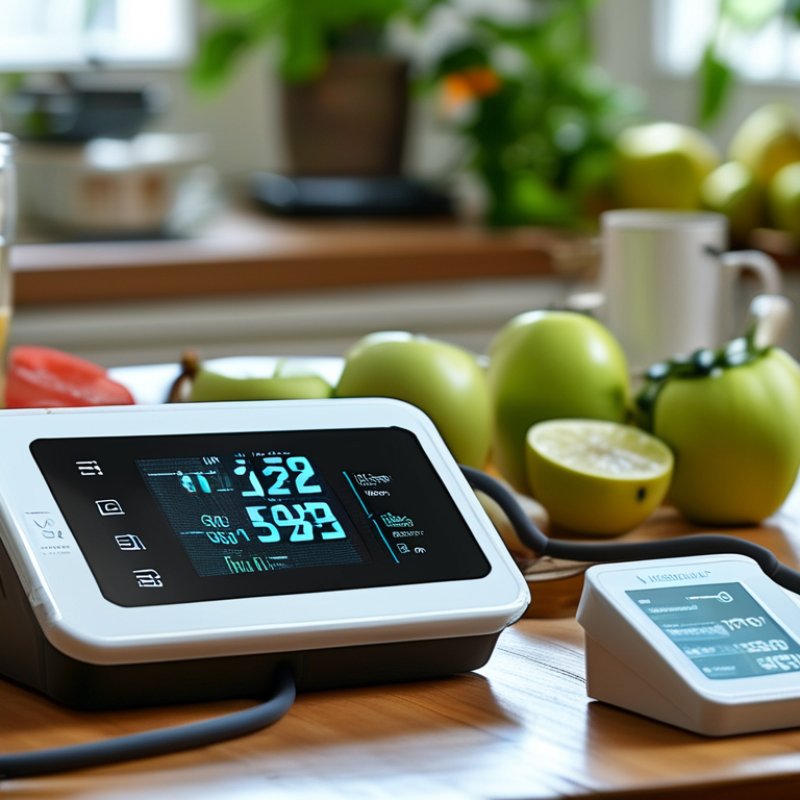
Top Home Health Monitoring Solutions How to Choose Right?
Six in ten U.S. adults live with at least one chronic disease, according to the CDC. Four in ten manage two or more conditions. These numbers make home monitoring a practical care decision, not merely a technology purchase. Blood pressure, blood glucose, oxygen saturation, weight, and symptoms can change between appointments. A reliable device may reveal those changes earlier. However, more data does not always mean better care.
Tips: Define the condition first. Choose monitoring features that match the clinician’s care plan. Check accuracy, cuff or sensor fit, battery life, and readable displays. Confirm that family members can use the device safely. Ask how readings reach the care team, and whether alerts receive timely review. The FDA recommends checking device authorization and following instructions carefully.
A 2024 American Heart Association statistical update reports that cardiovascular disease remains a leading cause of death in the United States. Home blood-pressure tracking can support treatment discussions, especially when readings include dates, times, and medication notes. For diabetes, trend visibility may matter more than a single number. Connectivity also deserves attention. The 2024 National Healthcare Quality and Disparities Report highlights persistent access gaps, including digital barriers. An offline option may be wiser for some households. My own practical caution is simple: setup is often underestimated. A sophisticated monitor can fail when its instructions feel confusing.
Top Home Health Monitoring Solutions: How to Choose Right?
Home monitoring should match clinical risk, not gadget enthusiasm. The World Health Organization reports that 1.28 billion adults live with hypertension. A validated upper-arm blood pressure monitor can reveal morning spikes, but cuff size and sitting posture matter. Small errors become misleading trends. Check readings against a clinician’s device.
Glucose monitoring deserves equal care. The International Diabetes Federation estimated 537 million adults had diabetes in 2021. Select a meter with clear logs, test-strip stability, and simple sharing. ECG devices may capture rhythm irregularities, yet they do not replace a diagnostic 12-lead ECG. SpO₂ readings can fall after cold fingers, movement, or poor circulation. Wait, warm the hand, and repeat the measurement.
Weight sensors support fluid tracking, especially when heart or kidney conditions are involved. Measure on the same floor, at the same time, with similar clothing. Fall sensors are useful, but bathrooms, stairs, and nighttime movement can create blind spots. The WHO estimates about 684,000 fatal falls occur worldwide each year. A sensor cannot guarantee rescue. Test alerts with family or care staff, review false alarms, and document missed events. Data without a response plan is only noise.
Clinical quality should guide every home monitoring decision. The World Health Organization’s 2023 hypertension report estimates that 1.28 billion adults aged 30–79 live with hypertension worldwide. A small measurement error can therefore affect millions of treatment decisions. Choose devices with documented FDA clearance for their specific intended use. Clearance is not the same as universal approval, and it does not guarantee perfect results in every home.
Check the FDA 510(k) database and read the device’s indication, population, and measurement limits. For home blood pressure monitors, look for validation against AAMI/ANSI/ISO 81060-2 requirements. These standards assess agreement with reference measurements under controlled conditions.
Accuracy also depends on cuff size, arm position, rest time, and movement. A loose cuff can quietly distort the reading.
Look for clear instructions, repeat-measurement guidance, and downloadable records for clinician review. FDA safety communications have repeatedly highlighted limitations in some consumer monitoring technologies, especially when skin tone, motion, or poor contact affects readings. I would not treat a clearance symbol as a magic shield. Real-world performance still needs checking. Test the device against a clinic reading when possible, record unusual results, and question sudden changes before acting on them. Mistakes happen. Good systems make them easier to notice.
Top Home Health Monitoring Solutions: How to Choose the Right One?
For many Medicare remote patient monitoring workflows, 16 days of data within a 30-day period matters. The data should come from a connected device that measures physiologic information, such as blood pressure, weight, or glucose. One isolated reading is not enough. A reliable solution records the date, time, patient, and measurement clearly. These details help clinical teams review trends and support accurate documentation.
Look for simple daily use. A patient should know when to measure, how to position the device, and what to do after an unusual result. Large displays and spoken instructions can help older adults. Technical support also matters. Missed readings often reflect confusion, poor connectivity, or fatigue rather than unwillingness. That is easy to overlook.
Clinical staff need more than a colorful dashboard. They need alerts that match defined response protocols, secure data transmission, and an audit trail for every review. The system should show whether 16 qualifying days were reached, without forcing staff to count manually. Still, automation is not perfect. A device may flag a value that needs context, not immediate concern. Human judgment remains essential.
Ask practical questions before choosing: Can the patient use it alone? Can staff export records? Does the workflow protect private health information? Can the care team document outreach and follow-up? A short pilot with real patients may reveal problems that a sales demonstration hides.
Remote care programs can track the number of calendar days on which at least one physiologic reading is transmitted during a 30-day period. The chart uses illustrative, de-identified monitoring records and highlights the commonly referenced threshold of 16 days.
Each bar represents the number of monitoring days in a 30-day period. Periods reaching 16 or more days meet the chart’s reference threshold; payer requirements and current CMS guidance should always be verified before billing or program selection.
A useful home monitoring solution should fit daily life, not merely offer impressive features. Compare the full cost, including setup, subscriptions, replacement sensors, and technical support. A low purchase price can become expensive after several months. Ask whether essential alerts are included or charged separately. Small print matters.
Alert quality deserves careful testing. A system should distinguish a genuine fall from a dropped device or normal movement. Too many false alarms may create anxiety and cause caregivers to ignore notifications. Too few alerts can delay help. Test the device during a quiet afternoon, then review how quickly messages reach the intended contact.
Privacy is equally practical. Check what information is collected, where it is stored, and who can view it. Prefer clear permission settings and strong account protection. Caregiver support should include understandable reports, adjustable contact lists, and guidance when readings look unusual. However, technology cannot replace clinical judgment. A blood pressure change may reflect stress, poor positioning, or an incorrect cuff. Ask a qualified healthcare professional how results should be interpreted.
The best choice is rarely the most advanced one. It is the solution your household can afford, understand, and use consistently. Reconsider the decision after a trial period. Real routines often expose weaknesses that product descriptions hide.
Readings can change between appointments. Home tracking may reveal patterns earlier. It supports better discussions with a clinician. More data can confuse.
Choose measurements linked to the care plan. Common examples include blood pressure, glucose, oxygen level, weight, and symptoms. Do not monitor everything automatically.
Check accuracy information, intended use, sensor fit, battery life, and display readability. The device should match the user’s condition. A bright, clear screen helps.
A loose or tight cuff can distort results. The cuff should fit the user’s arm correctly. Keep the arm supported and still.
Record the date, time, measurement, symptoms, and medication notes. A paper log can work offline. I sometimes forget context, so simple records help.
Compare the device with a clinic measurement when possible. Follow rest and positioning instructions carefully. Sudden results deserve checking before action.
No. Internet access may be unreliable in some homes. An offline device can be more practical. Connectivity should serve the care plan.
Confirm that each user understands the instructions. Check alerts, charging needs, and record sharing. Setup is often underestimated. A complicated device may sit unused.
Choosing the best home health monitoring setup starts with understanding the person’s health needs, especially since many U.S. adults live with at least one chronic condition. The right solution may combine blood pressure, glucose, ECG, oxygen saturation, weight, or fall detection sensors, depending on the risks being managed. To support reliable decisions, select FDA-cleared devices that meet recognized AAMI accuracy standards and provide readings that are easy for patients and caregivers to understand.
When considering how to choose the right home health monitoring solution, also evaluate how well it fits remote care requirements. For programs using Remote Physiologic Monitoring, data may need to be collected on at least 16 days within a 30-day period. Compare total cost, alert quality, privacy protections, setup simplicity, and caregiver support. A valuable system should deliver meaningful information without creating unnecessary stress, while helping care teams identify changes early and respond appropriately.

VetCura Medical