China’s health monitoring market now offers practical tools for everyday wellness. Smartwatches, fitness bands, digital blood pressure monitors, smart scales, sleep trackers, and glucose meters appear in many homes. They can record heart rate, steps, sleep duration, body temperature, oxygen saturation, and other useful signals. However, these devices do not replace professional medical advice.
This guide examines China’s top 10 health monitoring devices for daily routines. It considers measurement accuracy, comfort, battery life, app quality, data protection, and after-sales support. A reliable device should fit real habits, not simply display impressive numbers. For example, a morning blood pressure reading may become more meaningful when taken after five quiet minutes. A sleep tracker may also help users notice late caffeine, irregular bedtimes, or restless nights.
Many readers are asking how to integrate health monitoring into daily routine without feeling controlled by data. The answer depends on personal needs, budget, and medical history. Some users may benefit from one simple device rather than a crowded dashboard. Others may need clinical-grade equipment recommended by a healthcare professional. No device is perfect, and wearable readings can vary with movement, skin contact, or poor calibration. That limitation deserves attention. Personal experience can reveal comfort problems that product specifications miss. Therefore, this overview combines practical use, technical considerations, and evidence-based caution, helping readers choose tools that support healthier decisions without creating unnecessary anxiety.
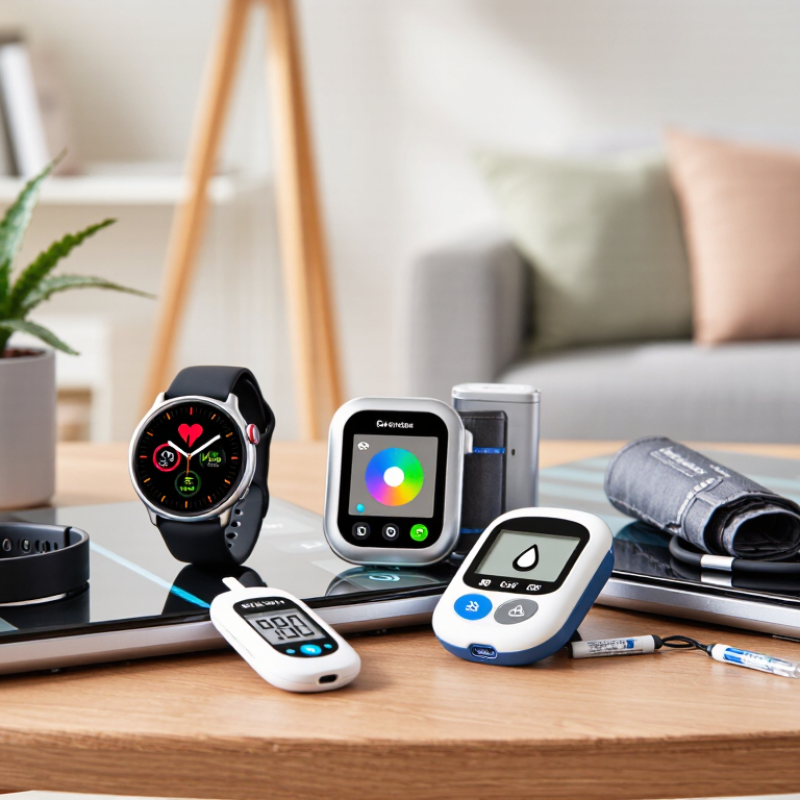
Many Chinese households use digital thermometers, blood pressure monitors, and fingertip pulse oximeters. These devices support quick checks at home, especially for older adults. Smart scales also track weight, body fat estimates, and changing trends. Their results are useful, but not perfect. A cold hand, poor posture, or a weak battery can distort readings.
Blood glucose meters are common among people managing diabetes under medical guidance. Sleep trackers and fitness bands record movement, heart rate, and rest patterns. Some home users also choose portable ECG devices for extra heart rhythm information. These tools cannot replace clinical examinations. A single unusual reading should not create panic, yet repeated changes deserve professional attention.
Tips: Sit quietly for five minutes before checking blood pressure. Keep your arm supported at heart level. Clean your finger before glucose testing. Record the time, result, and physical condition. Do not compare readings from different devices without checking their accuracy. I sometimes find tracking too many numbers confusing. A simple routine may work better. Store devices away from heat and moisture, and review unclear results with a qualified healthcare professional.
China Top 10 Health Monitoring Devices for Daily Routines
Daily monitoring starts with practical tools. A smartwatch tracks heart rate, steps, and activity minutes. A fitness band focuses on movement and sedentary time. A home blood pressure monitor measures systolic and diastolic pressure. A pulse oximeter estimates oxygen saturation and pulse rate. A digital thermometer checks body temperature during illness. The World Health Organization reports that 1.28 billion adults aged 30–79 had hypertension in 2021. Home readings can support earlier clinical conversations.
A blood glucose meter measures current glucose levels. A continuous glucose monitor follows changing patterns throughout the day. A smart scale records weight, body mass index, and sometimes body composition. A portable ECG monitor captures electrical heart signals for selected rhythm checks. A sleep tracker estimates sleep duration, stages, and nighttime movement. The IDF Diabetes Atlas reported 537 million adults with diabetes in 2021. These devices offer useful evidence, but estimates are not diagnoses. I still question sleep-stage accuracy on consumer devices.
Tips: Measure at consistent times, especially for blood pressure and glucose. Keep the same posture and rest quietly first. Check device instructions and calibration guidance. Record symptoms beside each result. A single unusual reading may reflect stress, movement, or poor sensor contact. Repeated abnormal results deserve professional review. Digital convenience helps, but human judgment remains necessary.
China Top 10 Health Monitoring Devices for Daily Routines
Everyday health routines become clearer when simple measurements are recorded consistently. Ten useful devices include smart scales, blood pressure monitors, thermometers, pulse oximeters, glucose meters, sleep trackers, activity bands, ECG monitors, peak flow meters, and hydration monitors. Each tool supports a different daily question. Is your resting pulse changing? Did your sleep improve after an earlier bedtime? A home blood pressure monitor can reveal patterns, but one unusual reading should not create panic. Follow the device instructions and confirm important results with a qualified healthcare professional. Accuracy depends on proper positioning, clean sensors, and regular calibration.
Tips: Measure at similar times. Sit quietly first. Keep a simple log. Avoid checking constantly. Numbers need context.
These devices work best as routine companions, not replacements for medical care. For example, a sleep tracker may estimate rest, while a thermometer measures temperature more directly. A glucose meter requires careful hand hygiene and correct testing steps. Some readings can be affected by movement, cold fingers, stress, or poor device fit. I have found that recording symptoms beside measurements often explains more than a number alone. Still, personal tracking is not perfect. Devices may miss important changes, and people can interpret trends too confidently. Review persistent concerns with an appropriately trained clinician, especially when readings remain abnormal or symptoms appear.
The chart presents the upper end of commonly used adult reference or target ranges for ten everyday health measurements. Units differ by measurement and are shown in each category label, so the values should not be compared directly. Personal targets may vary according to age, health status, and clinical advice.
Choosing a health monitoring device for daily routines starts with purpose, not appearance. A home blood pressure monitor, glucose meter, pulse oximeter, or wearable serves different needs. Check whether its measurements have been clinically validated for the intended user group. Look for clear accuracy data, testing methods, and instructions from qualified medical sources. A device should explain limitations, such as motion, cold fingers, poor sensor contact, or irregular pulse. A device that flashes numbers is not automatically useful.
Practical Design Practical design matters when use becomes habitual. The screen should remain readable in a dim bedroom, and buttons should work with damp or older hands. Consider measurement time, battery life, charging safety, storage capacity, and data export options. Bluetooth convenience can help, but privacy settings deserve equal attention. Data should be encrypted where possible, with transparent permissions and deletion options. I have found that complicated apps quietly reduce adherence. That detail is easy to underestimate.
Reliability also depends on support after purchase. Check calibration guidance, replacement parts, warranty terms, language options, and technical assistance. Compare readings with clinical equipment when appropriate, rather than treating one home result as a diagnosis. Keep a simple log with time, posture, symptoms, and medication context. Even careful users make mistakes. Recheck unusual results after resting, and seek professional advice when readings remain abnormal or symptoms appear.
China’s top ten health-monitoring devices support daily routines, but safe use matters more than novelty. Common options include blood-pressure monitors, thermometers, pulse oximeters, glucose meters, ECG devices, smart scales, activity bands, sleep trackers, respiratory monitors, and posture sensors. WHO reported in 2023 that 1.28 billion adults aged 30–79 had hypertension worldwide. Reliable home blood-pressure readings can therefore support earlier clinical conversations.
Use the correct cuff size and rest quietly for five minutes. Keep the sensor clean and follow the device’s instructions. Measure at similar times each day. One reading is only a snapshot. Data can mislead. Consumer devices may differ from clinical instruments, especially during motion, cold fingers, irregular heart rhythms, or poor skin contact. The U.S. FDA advises evaluating device accuracy, software risks, and cybersecurity before medical use. Users should compare unusual results with professional testing, rather than changing treatment independently.
Privacy deserves equal attention. Check whether data is stored locally or transferred to remote servers. Use strong, unique passwords and enable multi-factor authentication when available. Avoid sharing continuous health data without understanding retention and deletion policies. IBM’s Cost of a Data Breach Report 2024 placed the average healthcare breach cost at 9.77 million U.S. dollars, the highest among industries studied. That figure does not prove every device is unsafe, but it exposes a practical weakness: convenience can hide sensitive-data exposure. I would review permissions monthly, although many users realistically will not.
| No. | Device Type | Main Measurements | Best Daily-Routine Use | Data Accuracy and Limitations | Safe-Use Guidance | Privacy Considerations |
|---|---|---|---|---|---|---|
| 1 | Automatic Upper-Arm Blood Pressure Monitor | Systolic pressure, diastolic pressure, pulse rate | Morning and evening blood-pressure logs; monitoring trends at home | Validated devices commonly follow ISO 81060-2 criteria. Results can be affected by cuff size, posture, talking, recent exercise, caffeine, or a full bladder. | Rest quietly for about 5 minutes, keep the arm supported at heart level, use the correct cuff size, and take two readings about one minute apart. Do not change medication based only on one reading. | Blood-pressure history may be stored in an app or cloud account. Review synchronization settings, account security, and data-sharing permissions. |
| 2 | Pulse Oximeter | Oxygen saturation (SpO2), pulse rate | Spot checks during respiratory symptoms or when advised by a clinician | Many regulated medical devices target approximately ±2 percentage points for readings from 70% to 100% under specified conditions. Accuracy may decline with motion, cold fingers, poor circulation, nail products, skin pigmentation, or irregular pulse. | Warm the hand, remain still, remove artificial nails if necessary, and wait for a stable reading. Interpret the number together with symptoms; seek urgent care for severe breathing difficulty or blue lips. | Some connected models transmit oxygen and pulse data. Disable unnecessary location access and avoid automatic sharing with third-party services. |
| 3 | Digital Thermometer | Body temperature | Checking fever and tracking temperature changes during illness | Digital thermometers can provide useful readings when used correctly. Oral, axillary, rectal, and forehead measurements are not directly interchangeable and may differ because of measurement site and technique. | Follow the stated measurement method, clean the probe as instructed, and avoid measuring immediately after hot or cold drinks. Use age-appropriate methods for children. | Bluetooth thermometers may retain timestamps and temperature history. Check whether the app collects identifiers, location, or health-profile information. |
| 4 | Blood Glucose Meter | Capillary blood glucose | Fasting, pre-meal, and post-meal monitoring for people with diabetes | Under ISO 15197:2013 performance criteria, at least 95% of results should be within ±15 mg/dL when glucose is below 100 mg/dL or within ±15% when glucose is 100 mg/dL or higher. Test-strip storage, expired strips, hematocrit, and contaminated hands can affect results. | Wash and dry hands, use unexpired strips, avoid sharing lancets, and dispose of sharps safely. Confirm unexpected results according to a clinician's advice. | Glucose records are sensitive health data. Use a strong account password, enable encryption or device lock, and review whether data is uploaded or shared. |
| 5 | Single-Lead Portable ECG Monitor | Heart rate and a single-lead electrical waveform | Recording intermittent palpitations or sharing a rhythm strip with a healthcare professional | Can record a short rhythm strip and may identify patterns such as possible atrial fibrillation, but it does not replace a 12-lead clinical ECG and cannot rule out all heart problems. | Remain still, keep skin contact consistent, and follow the device instructions. Do not use an app classification as a diagnosis or ignore chest pain, fainting, or severe shortness of breath. | ECG recordings can reveal sensitive medical information. Check cloud-retention periods, export controls, and whether recordings are used for analytics or advertising. |
| 6 | Wearable Activity Tracker | Steps, movement duration, heart rate, estimated calories, and sometimes oxygen saturation | Building activity habits, reviewing trends, and setting movement reminders | Step counts are generally more useful for trends than exact totals. Heart-rate and calorie estimates vary with placement, skin contact, motion type, body characteristics, and device algorithms; calorie estimates are particularly imprecise. | Wear comfortably without excessive tightness, keep sensors clean, and stop activity if dizziness, chest pain, or unusual breathlessness occurs. | Wearables may collect continuous location, heart-rate, activity, and inferred health data. Limit background location, advertising personalization, and third-party integrations. |
| 7 | Bioelectrical Impedance Smart Scale | Body weight, body-mass index, and estimated body-fat percentage | Following long-term weight trends under consistent conditions | Weight is usually more repeatable than estimated body-fat or muscle values. Hydration, food intake, exercise, skin temperature, and measurement timing can materially change impedance-based estimates. | Measure at a consistent time and on a hard, level surface. Avoid using electrical impedance functions when pregnant or when a clinician advises against them, including for some implanted medical devices. | Profiles may contain weight, age, sex, height, and body-composition history. Use local-only storage when available and avoid sharing household profiles publicly. |
| 8 | Sleep Monitor or Sleep-Tracking Wearable | Sleep duration, movement, estimated sleep stages, and sometimes breathing patterns | Reviewing sleep schedules and identifying changes worth discussing with a clinician | Most consumer devices infer sleep from movement and heart signals. Total sleep estimates can be useful for trends, while sleep-stage and sleep-apnea estimates are not equivalent to a clinical sleep study. | Wear it as directed, keep sensors clean, and seek medical evaluation for persistent loud snoring, witnessed breathing pauses, or severe daytime sleepiness. | Sleep schedules, bedroom location, audio, and physiological data may be uploaded. Review microphone permissions, location access, retention rules, and data deletion options. |
| 9 | Peak Flow Meter | Peak expiratory flow, an indicator of how quickly air can be exhaled | Monitoring asthma control and detecting changes from a personal best | Results depend heavily on effort, technique, posture, and device type. Action-plan zones are commonly based on personal best, but the exact thresholds should be set with a healthcare professional. | Stand or sit upright, reset the meter, seal the lips, blow hard and fast, and repeat as instructed. Follow the prescribed asthma action plan rather than relying on a single result. | Manual meters generally store little or no personal data. Connected versions may upload respiratory records and require careful account and sharing controls. |
| 10 | Home Cholesterol Testing Device | Total cholesterol and, depending on the system, HDL cholesterol, triglycerides, or calculated LDL cholesterol | Periodic risk monitoring when laboratory testing is not immediately available | Home results can differ from laboratory measurements because of sampling, reagent storage, fasting status, biological variation, and device method. They should support, not replace, clinician-ordered laboratory testing. | Follow fasting instructions if provided, wash and dry hands, use valid test materials, and discuss abnormal or unexpected results with a healthcare professional. | Lipid results are health information. Review whether the device stores results locally, uploads them to a service, or permits sharing with insurers, clinics, or other third parties. |
Useful options include smart scales, blood pressure monitors, thermometers, glucose meters, and sleep trackers. Activity bands, ECG monitors, respiratory monitors, and posture sensors can also help. Each device answers a different question.
Follow the instructions carefully. Sit quietly for five minutes before measuring blood pressure. Use the correct cuff size. Keep sensors clean. Measure at similar times. Cold fingers, movement, stress, and poor contact can distort results.
Usually, one reading is only a snapshot. Record it and consider nearby symptoms. Repeat the measurement correctly later. Persistent abnormal results deserve professional review. Do not change treatment independently.
Write down the date, time, reading, and symptoms. Note sleep, stress, exercise, or unusual food when relevant. A small notebook works. Numbers need context.
Sleep trackers estimate rest using movement and other signals. They may reveal bedtime patterns, but they cannot explain every sleep problem. A thermometer measures temperature more directly. I sometimes trust trends too quickly, which is worth reconsidering.
Wash and dry your hands before testing. Follow the testing steps exactly. Use clean equipment and check the instructions. Incorrect technique can affect results. Ask a qualified clinician about repeated unusual readings.
No. They support daily routines but do not replace clinical assessment. Devices can miss important changes. Seek professional advice when symptoms appear or abnormal readings continue.
Check whether data stays on the device or moves to remote servers. Use a strong, unique password. Enable multi-factor authentication when available. Review app permissions monthly. I may not remember every month, but the reminder matters. Understand retention and deletion policies before sharing continuous data.
This article presents a practical overview of the top 10 health monitoring devices commonly used in China, including smart scales, blood pressure monitors, thermometers, blood glucose meters, pulse oximeters, fitness trackers, sleep monitors, heart rate monitors, body composition analyzers, and digital peak flow meters. It explains their core monitoring functions and shows how they can support everyday routines by tracking trends, encouraging physical activity, improving sleep awareness, and helping users prepare useful information for healthcare consultations.
Readers will also learn how to integrate health monitoring into daily routine without creating unnecessary stress or relying on a single measurement. The article outlines key selection criteria, such as accuracy, ease of use, comfort, measurement needs, cost, and data compatibility. It also emphasizes safe operation, regular calibration, appropriate interpretation of results, secure data storage, and privacy protection. These devices are designed to support informed self-care, but unusual or concerning readings should be discussed with a qualified healthcare professional.

VetCura Medical