When comparing China’s best medical devices with consumer health devices, the first question is practical: what is the difference between medical and consumer health devices? The answer is not simply price, design, or where the product is manufactured. Intended use matters. So does clinical evidence. A hospital ECG machine may support diagnosis under professional supervision. A smartwatch may track heart rate during a morning run. Both collect health data, but they do not carry the same clinical responsibility.
Dr. Joseph Kvedar, a recognized digital health expert and Harvard Medical School professor, has stated, “The key is to use technology to improve health and healthcare, not simply to create more technology.” This principle helps separate regulated medical equipment from wellness products. Medical devices usually require documented performance, risk controls, quality systems, and trained operation. Consumer devices focus more on convenience, engagement, lifestyle tracking, and accessible personal feedback. That distinction can become blurred.
Especially in China’s fast-moving device market.
A home blood-pressure monitor may look simple, yet inaccurate readings can influence serious decisions. A fitness band may offer useful trends, but it cannot automatically replace a validated diagnostic instrument. Buyers should examine intended use, certification claims, clinical validation, data security, after-sales support, and testing conditions. Marketing language alone is weak evidence. Even certification does not guarantee perfect results in every user or environment.
This comparison is not entirely neat. Some consumer products now support clinically meaningful monitoring, while some medical devices are designed for home use. The boundary keeps moving. Therefore, this guide evaluates technology, evidence, usability, and reliability together, helping readers distinguish impressive features from genuinely dependable healthcare value.
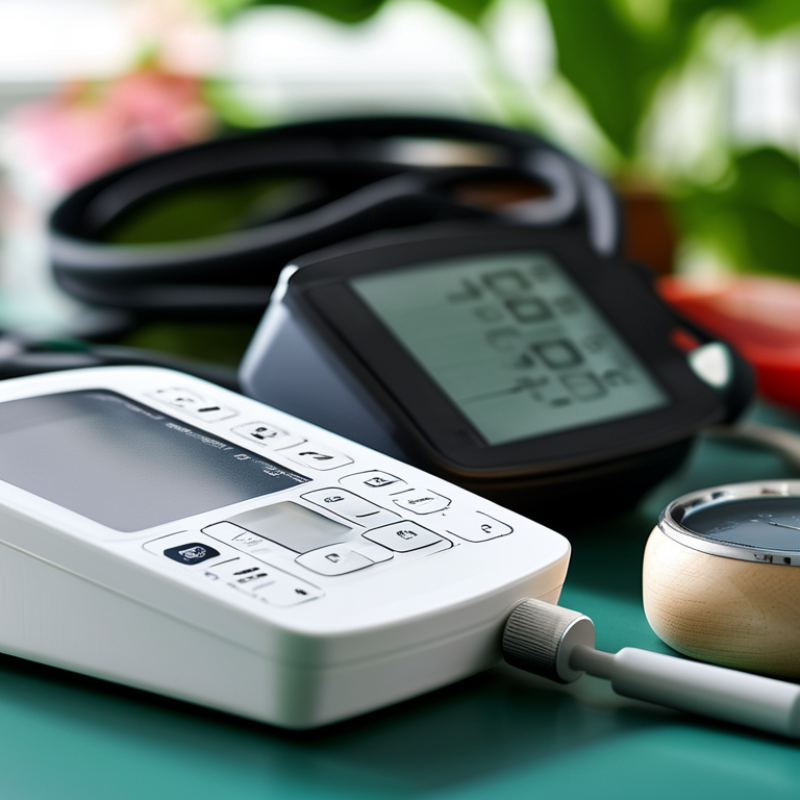
The difference between medical devices and consumer health devices begins with purpose.
A medical device is designed to diagnose, monitor, prevent, or manage a health condition. Its claims usually require clinical evidence, controlled manufacturing, and documented risk management.
A blood pressure monitor used to support hypertension care differs from a wellness tracker showing daily activity. The hardware may look similar. The intended use changes everything.
Consumer health devices generally support lifestyle awareness. They may record steps, sleep patterns, heart rate trends, or temperature changes. These readings can encourage healthier habits, but they may not provide a medical diagnosis.
In practice, the boundary is not always neat. A device can become more medically significant when its software, labeling, or marketing makes stronger health claims. Reviewers should examine instructions, accuracy data, user warnings, and the people expected to use it.
Tips: Check the stated purpose before comparing features. Look for clinical validation, calibration details, privacy controls, and clear limitations. Do not treat a wellness reading as a confirmed diagnosis. Ask whether the device guides a medical decision or simply supports personal awareness. This small distinction is easy to miss. It also deserves regular review, because software updates can change how a product functions.
China separates medical devices by intended use and risk, not by appearance. Under the National Medical Products Administration (NMPA) framework, Class I devices carry lower risks and generally require filing. Class II devices need registration with provincial authorities, while Class III devices require NMPA registration and stronger evidence. Clinical evaluation, quality systems, labeling, and post-market monitoring become more demanding as risk rises.
Claims matter. A wrist-worn product that only records daily activity may remain a consumer health product. A product claiming to diagnose arrhythmia, monitor disease, or guide treatment can enter medical device regulation. Software, sensors, and artificial intelligence do not escape review. The intended user and clinical purpose still matter. That distinction is easy to miss.
Industry estimates in the China Medical Device Industry Development Report 2023 placed China’s medical device market above RMB 1 trillion in 2023. The NMPA’s 2023 statistical bulletin also shows a large and expanding registration system, reflecting tighter oversight across device categories. However, market size does not prove regulatory eligibility. A sales page, app interface, or wellness claim may create unexpected risk. Some classifications remain difficult at the boundary. Careful review of product functions, evidence, instructions, and advertising language is essential before launch.
Medical devices are designed to diagnose, monitor, or treat defined health conditions. Their readings may influence medication, surgery, or emergency care. Therefore, accuracy, traceability, risk controls, and clinical evidence matter. A hospital monitor can capture continuous ECG signals, raise alarms, and store time-stamped records. Its software needs controlled updates and documented performance testing. Users often include trained clinicians who interpret readings within patient context. For products made in China, trustworthy manufacturers should document intended use, testing, and quality controls.
Consumer health devices usually support wellness, self-tracking, or early awareness. A home scale, sleep tracker, or fitness watch may use sensors and simplified algorithms. These products prioritize comfort, battery life, clear screens, and easy data sharing. A reading can guide a conversation, but it should not replace professional assessment. The boundary is not always clean. Some home blood pressure monitors serve medical purposes when properly validated and used. However, user technique matters: cuff placement, posture, movement, and timing can change results. I have seen convenience create false confidence. Even a polished app may hide uncertainty behind one number. Buyers should examine intended use, evidence quality, maintenance needs, and who reviews the data. That last question is often missed.
China’s medical device sector is moving beyond hospital equipment. The China Association for Medical Devices Industry estimated the market exceeded RMB 1 trillion in 2023. Imaging systems, surgical instruments, in-vitro diagnostics, and patient-monitoring equipment remain major segments. These products require clinical evidence, quality systems, and disciplined post-market surveillance. NMPA data also show continued growth in domestic device registrations and innovation approvals. That growth is encouraging, but registration volume does not always prove clinical value. Buyers still examine accuracy, maintenance, training, and total ownership cost.
Consumer health devices serve a different daily setting. Smart blood-pressure monitors, sleep trackers, glucose meters, rehabilitation tools, and home wellness equipment are becoming more visible in Chinese households. Euromonitor International’s 2024 consumer health research identifies preventive health and self-monitoring as important demand drivers in China. Meanwhile, national health-literacy data reported by China’s National Health Commission reached 29.70% in 2023. Better health awareness can support adoption, yet users may misunderstand readings or abandon devices after a few weeks. This is the weak point.
Leading segments therefore differ by use and responsibility. Medical devices prioritize clinical performance and regulated care pathways. Consumer health devices prioritize convenience, affordability, comfort, and understandable feedback. Data security matters to both. Evidence matters more than polished interfaces. The market still needs clearer separation between wellness guidance and medical diagnosis. Industry reports offer strong forecasts, but real household use remains uneven. That gap deserves closer study.
| Device Segment | Typical Products and Use Cases in China | Primary User | Regulatory Position | Main Purchasing Channels | Key Demand Drivers | Commercial Characteristics |
|---|---|---|---|---|---|---|
| Hospital Diagnostic Imaging | Radiography, computed tomography, magnetic resonance imaging, ultrasound, and related image-management equipment used for diagnosis and treatment planning. | Public hospitals, private hospitals, imaging centers, and trained clinical staff. | Generally treated as regulated medical devices in China. Product classification, registration or filing, clinical evaluation, quality-system compliance, and post-market obligations depend on the device type and risk class. | Hospital procurement, centralized purchasing platforms, public tenders, distributor networks, and direct institutional contracts. | Population aging, chronic disease screening, hospital capacity expansion, replacement of aging equipment, and demand for earlier diagnosis. | High capital expenditure, long procurement cycles, installation requirements, technical service needs, and strong emphasis on clinical evidence and total cost of ownership. |
| Patient Monitoring and Critical-Care Equipment | Multiparameter patient monitors, electrocardiography systems, fetal and maternal monitors, bedside monitoring equipment, and intensive-care monitoring solutions. | Hospitals, emergency departments, intensive-care units, clinics, and trained healthcare professionals. | Usually regulated as medical devices by the National Medical Products Administration. Risk classification and conformity requirements vary according to intended use, monitoring functions, and clinical claims. | Hospital tenders, medical distributors, government procurement, and institutional framework agreements. | Expansion of emergency and intensive-care capacity, hospital digitalization, infection-control preparedness, and demand for continuous monitoring. | Clinical reliability, alarm performance, interoperability, cybersecurity, maintenance, and staff training are important purchasing criteria. |
| In-Vitro Diagnostic Devices | Analyzers, reagents, test systems, and laboratory instruments for biochemical, immunological, hematological, molecular, and infectious-disease testing. | Hospital laboratories, independent clinical laboratories, public-health laboratories, and qualified testing personnel. | In-vitro diagnostic reagents and instruments are subject to medical-device regulation in China. Classification and approval requirements depend on risk, intended purpose, analyte, and clinical application. | Hospital procurement, laboratory tenders, distributor networks, public-health projects, and reagent-linked equipment contracts. | Routine health screening, chronic-disease management, infectious-disease surveillance, laboratory automation, and demand for faster turnaround times. | Consumable-driven revenue, method validation, instrument–reagent compatibility, quality control, and laboratory workflow integration are central to adoption. |
| Implantable and Interventional Devices | Orthopedic implants, cardiovascular intervention products, vascular-access devices, surgical implants, and other products used in invasive procedures. | Hospitals, surgeons, specialist physicians, and patients receiving clinically indicated procedures. | Higher-risk products commonly require stringent registration, clinical evaluation, manufacturing quality controls, traceability, and post-market surveillance. Specific requirements depend on product classification. | Hospital tenders, centralized procurement, specialist distributors, and procedure-based institutional purchasing. | Population aging, orthopedic and cardiovascular disease burden, improved surgical capability, and demand for minimally invasive procedures. | Strong clinical and safety requirements, physician training, hospital access, reimbursement considerations, and long product-development cycles. |
| Home Medical Monitoring | Electronic blood-pressure monitors, blood-glucose meters, pulse oximeters, digital thermometers, and other devices designed for self-monitoring. | Patients, caregivers, older adults, pharmacies, clinics, and family households. | Products making medical or diagnostic claims may fall under China’s medical-device framework. Classification depends on intended use, measurement function, risk, and claims; consumer electronics without medical claims may follow a different compliance route. | Pharmacies, hospitals, medical-device retailers, e-commerce platforms, community health services, and home-care distributors. | Chronic-disease self-management, aging households, post-discharge care, preventive health awareness, and remote monitoring programs. | Lower price points than hospital equipment, strong usability expectations, demand for measurement accuracy, clear instructions, data connectivity, and after-sales support. |
| Home Respiratory Care | Continuous positive airway pressure equipment, oxygen concentrators, nebulizers, respiratory accessories, and related home-care products. | Patients with sleep-related breathing disorders, chronic respiratory conditions, caregivers, and home-care providers. | Products intended to diagnose, prevent, monitor, or treat disease may be regulated as medical devices. Electrical safety, performance, labeling, registration or filing, and maintenance requirements vary by product category. | Hospitals, respiratory clinics, pharmacies, home-care service providers, medical distributors, and online channels where permitted. | Respiratory disease prevalence, sleep-health awareness, hospital-to-home care, home-based rehabilitation, and demand for long-term disease management. | Patient comfort, noise, reliability, consumables, remote support, adherence, device maintenance, and clinician involvement influence purchase and retention. |
| Rehabilitation and Mobility Devices | Walking aids, wheelchairs, rehabilitation training equipment, orthoses, therapy devices, and products supporting recovery or assisted mobility. | Hospitals, rehabilitation centers, elderly users, people with disabilities, caregivers, and community-care providers. | Regulatory status varies considerably. Products with medical treatment, rehabilitation, or assistive claims may be regulated as medical devices, while basic daily-living aids may follow other product requirements. | Hospitals, rehabilitation institutions, community-care facilities, specialized retailers, distributors, and e-commerce platforms. | Population aging, disability support, post-operative rehabilitation, community healthcare, and expansion of home- and community-based care. | Fit, durability, ergonomics, service coverage, customization, caregiver usability, and reimbursement or institutional funding can affect demand. |
| Personal Wellness and Fitness Devices | Fitness trackers, smart scales, activity monitors, sleep trackers, posture products, and non-clinical wellness applications. | General consumers, fitness users, wellness customers, and employers operating lifestyle programs. | Products positioned for general wellness without medical diagnosis or treatment claims are generally distinct from regulated medical devices. Medical claims, however, can change the applicable compliance requirements. | E-commerce platforms, consumer-electronics retailers, fitness centers, mobile applications, and specialty wellness stores. | Preventive health awareness, digital lifestyles, fitness participation, weight management, and interest in sleep and activity data. | Fast product cycles, strong design and software expectations, lower barriers to trial, price competition, and high sensitivity to user experience and data privacy. |
| Beauty, Skin-Care, and Personal-Care Devices | Home-use cleansing devices, light-based beauty products, massage devices, hair-removal products, and other personal-care equipment. | Consumers, beauty-service users, salons, and personal-care professionals. | Regulatory treatment depends on the product’s function, technology, intended use, and claims. Beauty or wellness positioning does not automatically make a product a medical device; therapeutic claims may trigger additional requirements. | Beauty retailers, e-commerce platforms, social-commerce channels, salons, specialty stores, and direct-to-consumer sales. | Disposable income, appearance management, at-home beauty routines, social-media influence, and demand for convenient personal care. | Brand-independent success factors include safety, ease of use, visible benefits, replacement accessories, content marketing, product reviews, and return policies. |
| Digital Health and Connected Care Solutions | Remote-monitoring platforms, appointment and medication-support tools, connected home devices, electronic health records, and data dashboards. | Patients, hospitals, clinics, insurers, caregivers, public-health organizations, and healthcare professionals. | Regulatory obligations depend on whether the software provides medical diagnosis, treatment, monitoring, decision support, or merely administrative and wellness functions. Data-security and personal-information requirements also apply. | Hospital projects, healthcare institutions, public-sector programs, software procurement, telecommunications channels, and subscription models. | Healthcare digitalization, remote care, chronic-disease management, hospital efficiency, rural access, and integration of connected devices. | Interoperability, cybersecurity, data governance, clinical workflow fit, user adoption, recurring software revenue, and integration capability are critical. |
Choosing between professional and consumer health devices starts with the intended user. Professional equipment suits clinics, trained staff, and repeated measurements. Consumer devices support routine monitoring at home. Neither option is automatically better.
Check the measurement purpose before comparing prices. A professional device may offer stronger calibration records, adjustable settings, and technical servicing. It can also require training, cleaning, and scheduled maintenance. Consumer equipment is usually simpler, lighter, and easier to use alone. Look for clear instructions, transparent performance data, and warnings about limitations. If results affect treatment decisions, discuss the device with a qualified healthcare professional. Convenience matters, but accuracy matters more.
The setting changes the decision. A clinic may need durable construction and records for every measurement. A household may value comfort, battery life, and readable results. Privacy deserves attention too, especially when an app stores personal health information. In practice, users sometimes trust a neat digital display too quickly. That is a mistake worth challenging. Readings can change with posture, movement, skin temperature, or incorrect placement. I would compare repeated results under similar conditions, not rely on one number. Certification and local regulatory information should be verified through official sources. A cheaper device may become expensive when support disappears. A professional model may also be excessive for occasional home checks. The right choice depends on risk, users, workflow, and the advice of qualified professionals.
: Major segments include imaging systems, surgical instruments, diagnostic devices, and patient-monitoring equipment. These products need evidence, quality controls, and ongoing safety monitoring.
Professional devices support clinics and trained staff. Consumer devices support routine home monitoring. Neither option is automatically better.
Choose a simple device with clear instructions, readable results, and practical maintenance needs. Comfort, battery life, and easy storage also matter.
A professional device may suit repeated clinical measurements or treatment-related decisions. It may require cleaning, calibration checks, training, and technical servicing.
Not always. Posture, movement, skin temperature, and incorrect placement can change results. Compare repeated readings under similar conditions.
Check accuracy information, support availability, maintenance needs, training requirements, and total ownership cost. A low price can become expensive when support disappears.
It is important when an app stores personal health information. Review permissions, storage practices, and sharing settings before regular use.
No. Some users stop after several weeks. A device may look convenient, yet habits can remain uneven.
Discuss the device and its readings with a qualified healthcare professional. Do not rely on one number alone.
Local regulatory information can help verify a device’s intended use and status. Confirm details through official sources. Marketing language is not enough.
Medical devices and consumer health devices both support better health, but they serve different purposes and users. Medical devices are designed to diagnose, monitor, prevent, or treat specific medical conditions, often under the guidance of trained professionals. Consumer health devices are generally created for personal wellness, fitness tracking, basic monitoring, and everyday health management. Understanding what is the difference between medical and consumer health devices helps users evaluate accuracy, intended use, safety requirements, and the level of professional support needed.
In China, these categories are classified according to their intended purpose, risk level, technical performance, and interaction with the human body. Medical devices typically undergo stricter registration, testing, quality control, and regulatory oversight, while consumer health products may follow different requirements depending on their functions and claims. Major segments include diagnostic equipment, monitoring systems, rehabilitation tools, home wellness devices, wearable trackers, and personal care technologies. Choosing between them requires considering the user’s health objectives, desired precision, operating skills, data reliability, and whether professional diagnosis or supervision is necessary.

VetCura Medical