How to Get Accurate Heart Rate Measurements in 2026?

Time:2026-10-07 Author:Aria
0%

Accurate heart rate data matters more in 2026, as wearable devices increasingly support fitness, recovery, and health decisions. The World Health Organization reports that cardiovascular disease causes about 17.9 million deaths annually worldwide. That figure does not make every wrist reading diagnostic, but it explains why measurement quality deserves attention.

Research shows that consumer devices can perform well under controlled conditions. A Stanford Medicine study published in JAMA Cardiology tested six popular wrist-worn devices. Heart rate readings were generally more reliable than calorie estimates, yet performance varied between devices and activities. The Apple Heart Study, published in the New England Journal of Medicine, also involved 419,297 participants and demonstrated the scale of wearable-based heart monitoring. However, detecting an irregular rhythm is different from measuring every heartbeat precisely.

Small details matter.

This guide examines what factors can affect heart rate measurements, including movement, loose straps, skin contact, exercise intensity, temperature, sweat, tattoos, and device placement. The U.S. Food and Drug Administration has also warned that wearable readings can be influenced by device limitations and user conditions. Clinical-grade equipment remains the reference point when symptoms require medical assessment.

The practical lesson is uncomfortable: a higher-priced device is not automatically more accurate. Even careful testing can produce inconsistent results. A watch may show 142 beats per minute while a chest strap shows 149 during a fast interval. That difference may be acceptable for casual training, but important during clinical evaluation. Readers should compare repeated measurements, follow manufacturer guidance, and treat unusual readings as prompts for professional advice, not final diagnoses.
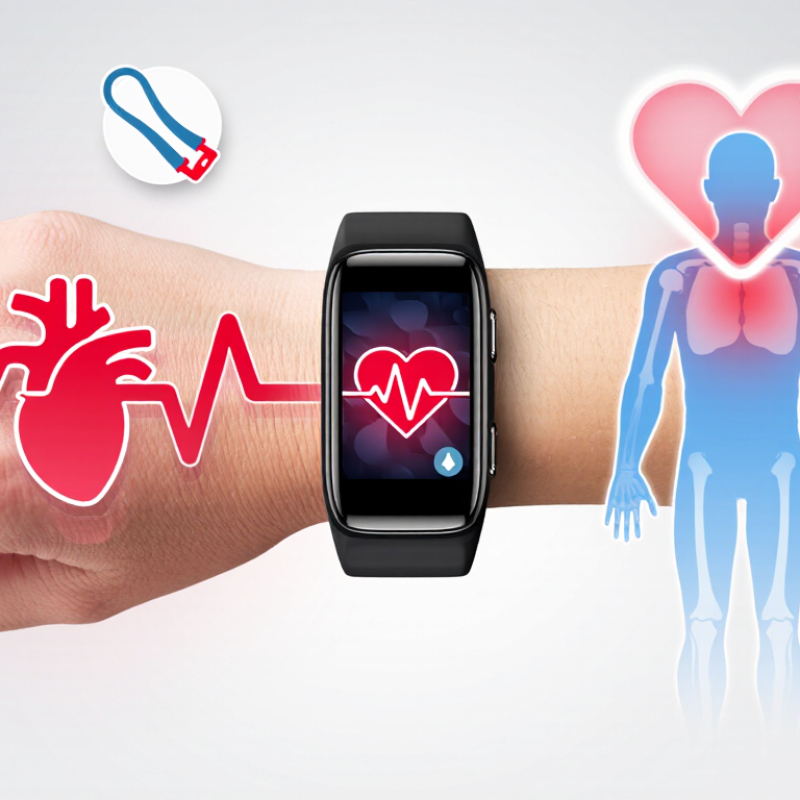
How to Get Accurate Heart Rate Measurements in 2026?

What Accurate Heart Rate Measurement Means in 2026

What Accurate Heart Rate Measurement Means in 2026

Accurate heart rate measurement is not simply displaying a number quickly. It means producing readings that remain close to a validated reference during rest, movement, and recovery. In 2026, reliable systems should also show confidence levels, measurement conditions, and possible sources of error.

A reading of 72 beats per minute may be useful at a desk, but motion, cold skin, loose contact, or heavy sweating can change the result. Context matters.

In practical testing, compare wearable readings with a clinically validated monitor under similar conditions. Record your pulse after five quiet minutes, then repeat the measurement during steady exercise. Small differences are normal. Large or repeated differences deserve attention.

No device is perfect. I have found that users often trust a single number too much. That habit needs reconsideration. Advanced algorithms can filter motion noise, but they may also miss unusual rhythms or respond slowly to sudden changes. People with symptoms should seek qualified medical advice instead of relying on consumer measurements.

Tips

Wear the sensor firmly, but do not restrict circulation. Keep your arm still during resting checks. Take two or three readings and note the average.
Test after warming cold hands. During exercise, compare the displayed rate with how you feel and with a validated reference when possible.
Clean the contact area regularly. Check whether the device explains its accuracy limits, testing methods, and software updates. Greater transparency makes a measurement more trustworthy.

Choosing the Right Heart Rate Monitoring Device

Choosing the right heart-rate monitor in 2026 starts with the measurement problem, not the screen. For steady running, a chest strap usually captures electrical heart signals more directly than wrist optical sensors. Optical devices shine light into the skin. Tattoos, loose bands, sweat, cold fingers, and arm movement can affect readings.

A peer-reviewed JMIR study tested four wrist-worn devices. It reported mean absolute error near 3 beats per minute at rest. Errors became substantially higher during exercise (Bent et al., 2020). Choose chest-based monitoring for intervals, clinical discussions, or beat-to-beat timing. Choose wrist or ring monitoring for sleep and daily trends. Check independent validation, fit guidance, sampling behavior, battery performance, and data export. A clear display helps at 5 a.m. A polished dashboard does not guarantee accuracy.

Test the device against a manual pulse count during rest and after a familiar workout. Repeat the check on cold mornings and during fast arm movement. If readings jump from 145 to 190 without matching effort, pause before changing training. That judgment is imperfect. The American Heart Association’s 2024 scientific statement supports wearable tracking but separates it from clinical assessment. The FDA’s 2024 guidance also distinguishes general wellness functions from diagnostic tools. Persistent irregular readings deserve qualified medical review, not another purchase.

How to Get Accurate Heart Rate Measurements in 2026? - Choosing the Right Heart Rate Monitoring Device

Device Type Measurement Method Typical Accuracy in Suitable Conditions Best Use Main Limitations How to Improve Accuracy
Medical-grade ECG monitor Electrical signals from the heart Usually the most reliable option for rhythm and rate assessment when used correctly Clinical evaluation, irregular-rhythm checks, and symptom assessment Requires correct electrode placement; consumer versions are not a substitute for clinical diagnosis Prepare the skin, place electrodes correctly, remain still, and follow the device instructions
Chest-strap ECG sensor Electrical signals detected through electrodes on the chest Generally close to ECG reference measurements during steady and high-intensity exercise Training zones, interval workouts, cycling, running, and rapid heart-rate changes Can lose contact, cause skin irritation, or require battery replacement Moisten the electrode areas, wear it firmly below the chest muscles, and keep the strap clean
Wrist-worn optical monitor Photoplethysmography (PPG), using reflected light to estimate blood-volume changes Often useful at rest and during steady activity; accuracy can vary substantially during motion Daily wellness tracking, resting heart rate, sleep trends, and general exercise monitoring Motion, loose fit, tattoos, cold skin, sweat, darker environments, and cadence-lock can affect readings Wear it snugly above the wrist bone, keep the sensor clean, and avoid excessive movement during spot checks
Upper-arm optical monitor PPG measured from the upper arm May provide more stable exercise readings than the wrist when positioned correctly Endurance training and users who find chest straps uncomfortable Positioning, arm movement, compression, and skin contact can influence results Follow the recommended placement, use the correct band tension, and avoid placing it over loose clothing
Finger pulse oximeter Optical pulse detection through the fingertip; often also estimates blood oxygen saturation Can be dependable for a resting spot measurement when the finger is warm and still Resting checks and situations where a quick reading is needed Poor circulation, movement, nail coverings, cold fingers, and bright light may interfere Warm the hand, remove nail coverings when necessary, keep the finger still, and wait for a stable value
Manual pulse count Counting beats at the wrist or neck by touch Useful as a simple reference; error increases when the rhythm is irregular or the counting period is short Checking a device reading and basic resting measurements Difficult during exercise and less reliable with irregular rhythms Rest for several minutes, count for a full 60 seconds, and repeat if the result seems unusual
Accuracy note: No consumer heart-rate device is equally accurate in every situation. For exercise intensity and rapid heart-rate changes, an ECG-based chest sensor is generally the strongest practical choice. For resting trends, a well-fitted optical device may be sufficient. If a reading is unexpected, repeated, or accompanied by chest pain, fainting, severe shortness of breath, or palpitations, seek medical advice rather than relying on a wearable alone.

Preparing Your Body and Sensor for a Reliable Reading

Accurate heart rate begins before the sensor touches your skin. Start with a calm body. Sit quietly for five minutes and breathe normally. Avoid measuring immediately after exercise, a hot shower, or strong caffeine. These factors can temporarily change your heart rate. For resting measurements, use the same time and posture each day. Consistency makes comparisons more useful.

Clean, dry skin helps the sensor maintain steady contact. For a wrist-based optical sensor, place it slightly above the wrist bone. Wear it snugly, but not painfully tight. A loose fit allows light to escape and creates unstable readings.

Cold hands may reduce circulation, so warm them gently first. For a chest sensor, moisten the contact points before wearing it. Keep your arm still during the reading. Small movements matter.

Take two or three readings if the first result seems unusual. Wait about one minute between attempts. Record your posture, activity, time, and any symptoms. I often forget to note these details, which makes later comparisons less reliable. That mistake is easy to repeat.

Consumer sensors can support personal tracking, but they do not diagnose illness. If an unusual reading continues, or comes with chest discomfort, faintness, or difficult breathing, seek advice from a qualified healthcare professional.

Measuring Heart Rate Correctly Step by Step

Accurate heart rate measurement starts before you check the number. Sit quietly for five minutes. Avoid exercise, caffeine, nicotine, and emotional stress beforehand. Keep your back supported and both feet flat on the floor. A rushed reading can reflect movement rather than your resting heart rate.

Place the sensor firmly against clean, dry skin, but do not tighten it painfully. Keep your arm still and level with your heart. Wait until the reading becomes stable, then record the value, time, body position, and recent activity. Take two readings about one minute apart. If they differ noticeably, take a third. My first mistake was checking immediately after climbing stairs and treating that result as my baseline.

You can also check manually. Rest two fingers on the wrist, count beats for 30 seconds, and multiply by two. Count for a full 60 seconds when the rhythm feels uneven. Do not use your thumb, because it has its own pulse. Repeat the measurement later under similar conditions. Even careful readings may disagree. Skin moisture, motion, cold hands, and poor sensor contact can interfere. A home device is useful for tracking patterns, but it cannot confirm a medical diagnosis. Seek professional advice for persistent unusual readings, chest discomfort, fainting, severe breathlessness, or a clearly irregular rhythm.

Checking Results and Resolving Inaccurate Measurements

Accurate heart rate readings begin with careful checking, not instant trust. Compare the number with how you feel, your recent activity, and your normal resting range. Sit quietly for five minutes, keep your arm supported, and measure again. Cold skin, loose contact, sweat, movement, and poor sensor placement can distort results. A single unusual reading may be noise. Repeated unusual readings deserve attention.

Tips

Measure under similar conditions each time. Stay still and breathe normally. Remove tight clothing near the sensor. If the result looks wrong, count your pulse manually for 30 seconds and double it. Repeat the device reading after a short pause. Record the time, activity, symptoms, and result. Small details matter.

Do not chase a “perfect” number. Consumer devices can struggle during exercise, irregular rhythms, or weak circulation. I have found that rushing a second measurement often creates another unreliable result. Slow down instead. Check whether the sensor is clean and firmly positioned, but not painfully tight. If readings repeatedly disagree with manual counts, stop relying on that device for decisions and ask a qualified healthcare professional for advice. Seek urgent medical help for severe chest pain, fainting, serious breathing difficulty, or a fast or slow heart rate with concerning symptoms.

How to Get Accurate Heart Rate Measurements in 2026?

Checking repeated readings at rest can help identify an unusual result. This illustrative 10-minute resting session shows small normal fluctuations in beats per minute (BPM). If a reading seems unexpected, remain still and confirm it with a full 60-second pulse count.

Example resting readings: adult resting heart rate is commonly about 60–100 BPM, although fitness, medication, stress, temperature, and illness can affect the result. Seek medical advice for persistent or concerning readings, especially when symptoms such as chest pain, fainting, severe shortness of breath, or dizziness occur.

FAQS

Which type of heart-rate monitor is best for steady running?

A chest-based sensor usually captures electrical heart signals more directly. It can suit intervals and beat-to-beat timing. Fit still matters.

When are wrist or ring sensors useful?

They work well for sleep tracking and daily heart-rate trends. Loose bands, tattoos, sweat, cold fingers, and arm movement may distort readings.

Does a polished app guarantee accurate measurements?

No. A clear dashboard cannot replace independent validation. Check fit guidance, sampling behavior, battery life, and data export.

How should I prepare before measuring resting heart rate?

Sit quietly for five minutes. Keep your back supported and feet flat. Avoid recent exercise, hot showers, strong caffeine, and emotional stress.

How should I wear a wrist sensor correctly?

Place it slightly above the wrist bone. Keep it snug, not painfully tight. Clean, dry skin helps maintain stable contact.

How should I prepare a chest sensor?

Moisten its contact points before wearing it. Keep your arm still during the reading. Small movements can matter.

What should I do when a reading looks unusual?

Wait about one minute, then measure again. Take two or three readings and record posture, activity, time, and symptoms. I sometimes forget this step.

Can I check my pulse manually?

Yes. Place two fingers on your wrist and count for 30 seconds. Multiply by two. Do not use your thumb. Count for 60 seconds if the rhythm feels uneven.

Should I trust a sudden reading of 190 beats per minute?

Compare it with your effort and repeat the check. A jump from 145 to 190 may reflect poor contact or movement. That judgment is imperfect.

When should unusual readings receive professional attention?

Persistent irregular readings need qualified medical review. Seek help for chest discomfort, fainting, severe breathlessness, or a clearly irregular rhythm. A wearable cannot diagnose illness.

Conclusion

Accurate heart rate measurement in 2026 means obtaining a reading that reflects your actual pulse at rest, during activity, or during recovery, while recognizing that no device is perfect in every situation. Choosing the right monitoring device depends on your purpose, comfort, activity level, and the consistency of its sensor. Before measuring, rest for a few minutes, avoid sudden exertion, keep your skin clean and dry, and position the sensor securely without making it too tight. Understanding what factors can affect heart rate measurements, such as movement, stress, temperature, caffeine, dehydration, illness, and poor sensor contact, can help you interpret results more responsibly.

For a reliable reading, follow the device’s instructions, remain still when required, and measure under similar conditions when comparing results. Take more than one reading if the number appears unusual, and compare it with how you feel rather than relying on a single value. If measurements remain inconsistent, check the sensor placement, battery, fit, and environmental conditions. Persistent or concerning readings, especially when accompanied by symptoms, should be discussed with a qualified healthcare professional.

Aria

Aria

Aria is a dedicated marketing professional with a deep passion for innovative strategies and a keen understanding of our company's product offerings. With a wealth of experience in the industry, Aria excels at crafting engaging content that highlights the unique features and benefits of our......