2026 Best Ways to Detect Early Health Issues at Home?

Time:2026-10-12 Author:Charlotte
0%

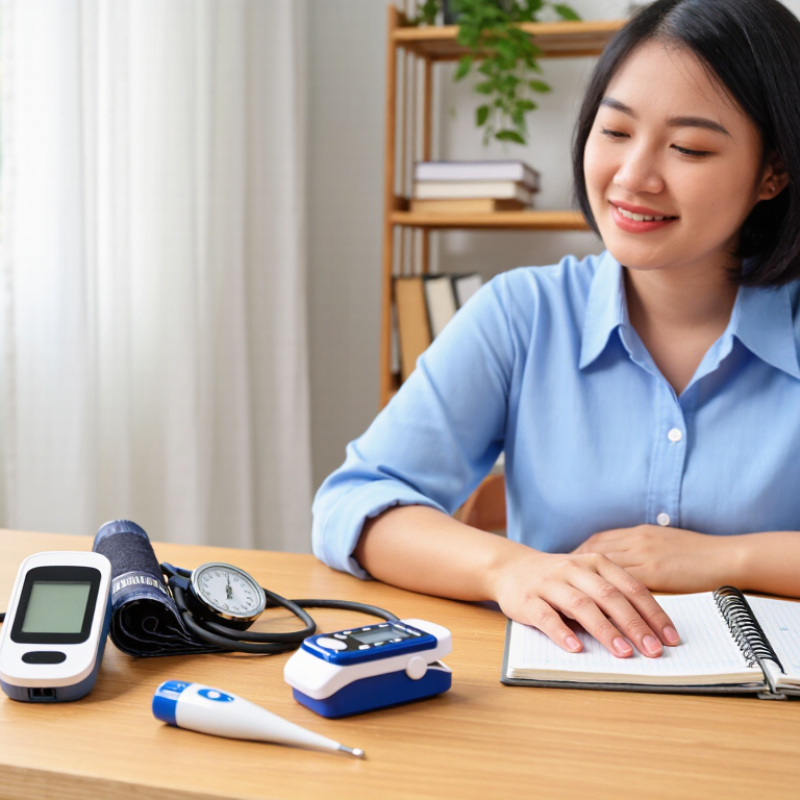
Learning how to detect early signs of health issues at home can make everyday care more informed and less intimidating. A thermometer, validated blood pressure monitor, pulse oximeter, or glucose meter may reveal changes worth discussing with a healthcare professional. These tools are not fortune-tellers. They provide clues.

This guide explains how to detect early signs of health issues at home through careful observation and consistent records. Notice patterns in sleep, appetite, breathing, pain, skin changes, digestion, mood, and energy. Record the date, time, reading, symptoms, and possible triggers. For example, repeated morning blood pressure readings can offer more useful information than one stressful measurement. Follow the device instructions closely. Sit quietly before checking. Keep the cuff at heart level.

Small details matter.

Reliable guidance should come from established medical organizations, qualified clinicians, and devices tested for accuracy. Home monitoring can support clinical decisions, but it cannot replace an examination, laboratory testing, or professional judgment. A single unusual result may reflect poor technique, dehydration, recent exercise, or device error. I should stress this limitation: even careful monitoring can miss silent conditions, and normal numbers do not guarantee perfect health.

Seek urgent medical help for severe chest pain, sudden weakness, serious breathing difficulty, confusion, fainting, or uncontrolled bleeding. Otherwise, share persistent or worsening changes with a clinician. The goal is not self-diagnosis. It is earlier attention, clearer communication, and a more practical understanding of what your body may be signaling.
2026 Best Ways to Detect Early Health Issues at Home?

Define Early Health Issues and the Limits of Home Detection

Early health issues are small, persistent changes that may signal a developing problem before severe symptoms appear. They can include unusual tiredness, unexplained weight change, repeated headaches, altered sleep, or a slowly changing skin mark.

One uncomfortable truth matters: many early signs are vague. Stress, poor sleep, and minor infections can look similar.

Home detection works best as careful observation, not diagnosis. Track symptoms, temperature, pulse, blood pressure, or blood glucose when appropriate. Use the same device, time, and body position. Write down the date and what happened.

A reading that seems abnormal once may mean little. A pattern may matter more.

Still, home devices can be inaccurate, poorly maintained, or used incorrectly. Even accurate results cannot explain their cause.

Look for changes in daily function. Can you climb the same stairs? Is your urine unusually dark? Has a mole changed shape, color, or size? These details help a clinician assess risk.

Do not delay urgent care for severe chest pain, sudden weakness, serious breathing difficulty, confusion, or uncontrolled bleeding.

Some conditions remain silent, too. Home monitoring cannot replace recommended screening or professional examination.

I sometimes want a clear answer from one reading, but health rarely offers one. A calm record and timely medical advice are safer than repeated self-testing or internet-based conclusions.

Prepare a Safe and Reliable Home Health Monitoring Setup

A safe home health setup begins with a small, consistent collection of tools. Keep a digital thermometer, a clinically validated blood pressure monitor, and a pulse oximeter nearby. Add a notebook or secure app for dated readings, symptoms, medicines, sleep, and unusual stress. Store everything in a clean, dry drawer, away from children and heat. Keep instructions with each device. This sounds basic. It prevents hurried mistakes.

Use the same conditions whenever possible. Sit quietly for five minutes before checking blood pressure. Keep both feet on the floor, support your arm, and avoid talking. For temperature, use the method stated in the instructions. Warm your hands before using an oximeter. Remove nail coverings if they interfere. Take two readings when a result looks surprising, but do not measure anxiously. I once trusted a single unusual reading too quickly; repeating it calmly changed the interpretation. Record the result, not just the number. Also note symptoms and time.

Reliability depends on maintenance. Check batteries, inspect cables, and compare readings with clinical equipment during routine visits. Ask a qualified professional whether your technique is correct. Home devices can detect patterns, not diagnose disease. Seek urgent medical help for severe breathing trouble, chest pressure, fainting, sudden weakness, or confusion. For less urgent changes, contact a healthcare professional and share the log. Protect privacy with a lock screen and limited access. A perfect routine is unrealistic. A repeatable one is safer.

2026 Best Ways to Detect Early Health Issues at Home? — Prepare a Safe and Reliable Home Health Monitoring Setup
Health Indicator Recommended Home Tool How to Measure Reliably Typical Adult Reference Information When to Arrange Medical Advice Important Limitations
Blood Pressure Validated upper-arm blood pressure monitor with the correct cuff size Rest quietly for 5 minutes; avoid caffeine, exercise, and smoking for 30 minutes; keep the arm supported at heart level; take two readings one minute apart and record the average. Normal: below 120/80 mmHg. Repeated readings of 130/80 mmHg or higher should be discussed with a healthcare professional. Seek prompt advice for repeated readings at or above 180/120 mmHg. If this level occurs with chest pain, shortness of breath, weakness, confusion, or vision changes, seek emergency care. One isolated reading does not diagnose hypertension. Wrist and finger devices may be less reliable than properly used upper-arm monitors.
Heart Rate Pulse measurement, validated blood pressure monitor, or clinically validated wearable Measure after sitting quietly for several minutes. Record the rate, rhythm, time, symptoms, and activity level. A resting adult heart rate is commonly 60–100 beats per minute, although fitness, medication, illness, stress, and age can affect it. Arrange advice for a persistent unexplained resting rate above 100 or below 50 beats per minute, especially with dizziness, fainting, unusual fatigue, or palpitations. Wearables estimate pulse and may produce inaccurate readings during movement, poor skin contact, or irregular rhythms.
Body Temperature Digital thermometer Use the same measurement site and method when comparing readings. Follow the thermometer instructions and clean it after use. Temperature varies by measurement site and time of day. A temperature of 38.0°C (100.4°F) or higher is commonly considered a fever. Seek medical advice for persistent or worsening fever, fever in a very young infant, or fever accompanied by breathing difficulty, confusion, stiff neck, severe dehydration, or a concerning rash. Recent exercise, hot or cold environments, oral drinks, and some medicines can affect results. Temperature alone does not identify the cause of illness.
Blood Oxygen Saturation Finger pulse oximeter with a well-fitting sensor Warm the hand, remove nail coverings, sit still, and wait for a stable number and pulse signal. Compare readings with symptoms and personal medical advice. Many healthy adults at sea level measure approximately 95–100%. Some people with chronic lung or heart conditions may have an individualized target. A persistent reading of 90% or lower, or a falling reading with breathlessness, blue lips, chest pain, or confusion, requires urgent medical assessment. Cold fingers, movement, poor circulation, skin pigmentation, nail products, and device quality can affect accuracy. Do not delay emergency care for a device reading.
Blood Glucose Blood glucose meter with single-use test strips and lancets Wash and dry hands; use the correct strip; record whether the reading is fasting, before a meal, or after a meal. Follow the monitoring plan provided by a clinician. For many non-pregnant adults without diabetes, fasting glucose is generally 70–99 mg/dL (3.9–5.5 mmol/L). Personal targets differ for people with diabetes. Discuss repeated readings outside the target range. Seek urgent help for severe symptoms of low glucose, or very high glucose with vomiting, deep breathing, dehydration, or confusion. Home readings are for monitoring, not diagnosis. Targets vary with age, pregnancy, medicines, and medical conditions.
Body Weight and Trend Digital scale Measure at the same time, preferably in the morning after using the bathroom and before eating, on a firm level surface. Track trends rather than isolated values. There is no single healthy weight for every adult. A sustained unexplained change is more informative than a single measurement. Arrange advice for unexplained ongoing weight loss or gain, swelling, reduced appetite, persistent diarrhea, or other new symptoms. People with heart failure should follow their individualized weight-change plan. Fluid retention, meals, clothing, menstrual-cycle changes, and scale position can cause short-term fluctuations.
Breathing Rate Clock or timer; optional symptom and activity log Count breaths for a full minute while relaxed and unaware if possible. Record whether the person is resting, asleep, or recovering from activity. A commonly cited resting adult range is about 12–20 breaths per minute. Seek urgent care for sudden or severe breathing difficulty, inability to speak normally, blue or gray lips, confusion, or rapidly worsening symptoms. Breathing rate changes with exercise, fever, anxiety, pain, medicines, and altitude. The number should always be interpreted with symptoms.
Symptoms and Function Daily log, symptom diary, medication list, and emergency contact information Record onset, severity, duration, triggers, associated symptoms, medicines taken, and changes in sleep, eating, walking, or daily activities. New, persistent, progressive, or function-limiting changes deserve professional review even when home measurements appear normal. Call emergency services for severe chest pain, stroke warning signs, severe allergic reaction, fainting with ongoing symptoms, uncontrolled bleeding, or life-threatening breathing difficulty. Home monitoring cannot rule out serious illness. Symptoms and clinical examination may be more important than any single measurement.
Safety note: Use home measurements to identify trends and support conversations with a qualified healthcare professional. Follow the care plan for existing conditions, keep devices clean and charged, check them periodically against professional equipment when possible, and never change prescribed medication based only on a home reading.

Check Vital Signs and Track Changes Over Time

Home health checks work best when they reveal trends, not isolated numbers. Measure blood pressure with a validated upper-arm cuff after five quiet minutes. Keep your feet flat and support your arm at heart level. Take two readings, one minute apart, and record both. Add the date, time, symptoms, sleep quality, caffeine intake, and recent exercise. Small details matter.

The World Health Organization’s 2023 hypertension report estimates that 1.28 billion adults aged 30–79 live with hypertension. Nearly 46% do not know they have it. Regular home readings may expose a persistent pattern before a routine appointment does. The American Heart Association also supports home monitoring for many adults with high blood pressure. Still, one elevated reading is not a diagnosis. That limitation is easy to forget.

Track temperature, resting pulse, weight, and oxygen levels when appropriate. Use the same device and method each time. A falling oxygen reading, repeated fever, sudden weakness, chest pain, or severe breathing difficulty needs prompt medical attention. Do not rely on a device alone. Home data can be incomplete, especially with poor cuff fit, cold fingers, stress, or irregular heart rhythms. Review a seven-day log with a qualified clinician, and question readings that do not match how you feel.

Recognize Warning Symptoms That Need Professional Evaluation

Home checks can reveal changes, but they cannot confirm a diagnosis. Measure temperature, blood pressure, pulse, or blood sugar only with suitable equipment. Record the reading, time, symptoms, and recent activity. One unusual result may reflect stress, exercise, dehydration, or an incorrect technique. Recheck calmly, but do not ignore repeated abnormalities.

Some warning symptoms need urgent professional evaluation. Chest pressure, severe breathing difficulty, fainting, or sudden confusion require immediate medical help. Facial drooping, arm weakness, and unclear speech can signal a stroke. Seek emergency care without waiting for symptoms to improve. A swollen throat, blue lips, or a rapidly spreading allergic reaction also demands urgent attention. These signs are easy to underestimate.

Other changes deserve a prompt clinical appointment. Arrange an evaluation for unexplained weight loss, persistent fever, blood in urine or stool, a lasting cough, or a wound that will not heal. Notice a mole that changes color, shape, size, or begins bleeding. Keep a simple symptom diary with dates and photographs when appropriate. Avoid relying on online comparisons alone; they can increase fear or create false reassurance. Home observations are useful evidence, not professional judgment. Even careful measurements can be wrong when the cuff, thermometer, or timing is unsuitable.

2026 Best Ways to Detect Early Health Issues at Home

Recognize warning symptoms and monitor blood pressure at home. The chart shows adult systolic blood-pressure categories commonly used for screening; a single reading does not confirm a diagnosis.

Readings below 120 mmHg are generally considered normal when diastolic pressure is also below 80 mmHg. Repeated readings of 130/80 mmHg or higher should be discussed with a healthcare professional. A reading of 180/120 mmHg or higher requires immediate rechecking and urgent medical guidance, especially when accompanied by chest pain, shortness of breath, severe headache, confusion, vision changes, fainting, or one-sided weakness. These symptoms may require emergency evaluation—do not wait for home monitoring alone.

Choose Follow-Up Actions and Confirm Findings with Medical Tests

2026 Best Ways to Detect Early Health Issues at Home

Home checks can reveal patterns, but they cannot confirm disease. Measure blood pressure after five quiet minutes, with your back supported and feet flat. Record the reading, pulse, time, symptoms, and recent caffeine or exercise. One abnormal result is a clue, not a diagnosis. The World Health Organization reported in 2023 that about 1.28 billion adults aged 30–79 had hypertension, while nearly half were unaware. That gap makes careful follow-up important.

Repeat unusual readings on different days using a validated device. Avoid changing medication without clinical advice. Contact a healthcare professional when results remain abnormal, symptoms appear, or measurements conflict with how you feel. Seek urgent care for severe chest pain, sudden weakness, serious breathing difficulty, or confusion. Home glucose tests also need confirmation. The CDC’s National Diabetes Statistics Report estimated that 8.7 million American adults had undiagnosed diabetes in 2021. A laboratory blood test and professional assessment can distinguish diabetes from temporary changes.

Do not chase perfect numbers.

Bring your log and the device to an appointment when possible. A clinician can compare home readings with laboratory tests, physical findings, and personal risk factors. The U.S. Preventive Services Task Force recommends confirming elevated office blood pressure outside the clinic before treatment. I still find the process easy to overcomplicate: more measurements do not always mean better evidence. Consistent technique, honest notes, and timely medical confirmation matter more than a crowded spreadsheet.

FAQS

What tools are useful for basic home health monitoring?

Keep a digital thermometer, validated blood pressure monitor, and pulse oximeter nearby. Store them in a clean, dry drawer.

How should I prepare before checking blood pressure?

Sit quietly for five minutes. Keep your back supported and feet flat. Support your arm and avoid talking. Record the pulse, time, symptoms, caffeine, and recent exercise.

What should I do when a reading looks unusual?

Repeat it calmly, preferably on another day. One abnormal result is only a clue. Do not measure repeatedly in panic.

What details should I record besides the measurement?

Note the date, time, symptoms, medicines, sleep, stress, and recent activity. The number alone lacks useful context.

How can I improve pulse oximeter readings?

Warm your hands before measuring. Remove nail coverings if they interfere. Keep still briefly. Check the instructions.

Can home measurements diagnose a health condition?

No. They can reveal patterns, but they cannot confirm disease. Medical tests and professional assessment are still needed.

When should I contact a healthcare professional?

Contact one when readings stay abnormal, symptoms develop, or results conflict with how you feel. Bring your written log and device when possible.

When is urgent medical help needed?

Seek urgent help for severe breathing trouble, chest pressure, fainting, sudden weakness, or confusion. Do not wait for repeated measurements.

How should I maintain home monitoring equipment?

Check batteries and inspect cables regularly. Compare readings with clinical equipment during routine visits. Ask a qualified professional to review your technique.

How can I avoid overcomplicating monitoring?

Use the same method each time and keep honest notes. More measurements are not always better evidence. I sometimes overcheck. A repeatable routine is safer.

Conclusion

Learning how to detect early signs of health issues at home begins with understanding what home monitoring can and cannot reveal. You can observe changes in temperature, pulse, breathing rate, blood pressure, weight, sleep, energy, and other personal symptoms, but these checks cannot replace professional diagnosis. Create a safe, reliable routine by using properly maintained devices, following instructions carefully, recording results consistently, and comparing changes with your usual baseline rather than relying on a single reading.

Pay attention to persistent or worsening symptoms, unusual pain, fainting, confusion, breathing difficulty, sudden weakness, or other warning signs that require prompt medical evaluation. Share your notes and measurements with a qualified healthcare professional, who may recommend an examination or laboratory and imaging tests to confirm the cause. Home monitoring is most useful when it supports early communication, informed follow-up, and timely care—not when it encourages self-diagnosis or delays treatment.

Charlotte

Charlotte

Charlotte is a seasoned marketing professional with a deep understanding of the company's portfolio and a passion for elevating its presence in the market. With a keen eye for detail and a commitment to excellence, she ensures that our professional blog is regularly updated with insightful articles......